Title: The Enigmatic Tortoiseshell Cat: A Comprehensive Overview
Introduction:
The tortoiseshell cat, celebrated for its eye-catching patchwork coat, has long intrigued feline lovers across the globe. This overview explores the background, traits, and cultural appeal of these colorful cats, highlighting why they continue to charm households and cat shows alike.
Origins and History
Spotted patterns resembling tortoiseshell have appeared in domestic cats for centuries, with early records from several ancient civilizations. Over time, the distinctive mosaic of dark and warm hues spread through natural breeding, eventually appearing in many modern breeds and random-bred populations around the world.
Although the tortoiseshell look can surface in Persians, Maine Coons, American Shorthairs, and others, it is perhaps most familiar in everyday domestic short-haired cats, whose mixed ancestry often produces the signature patchwork.
Characteristics and Appearance
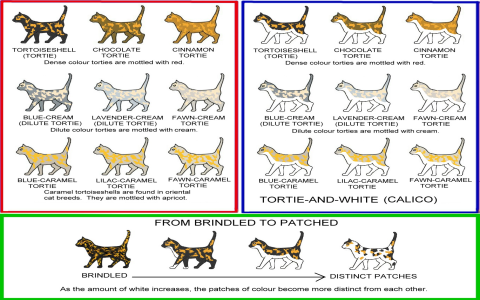
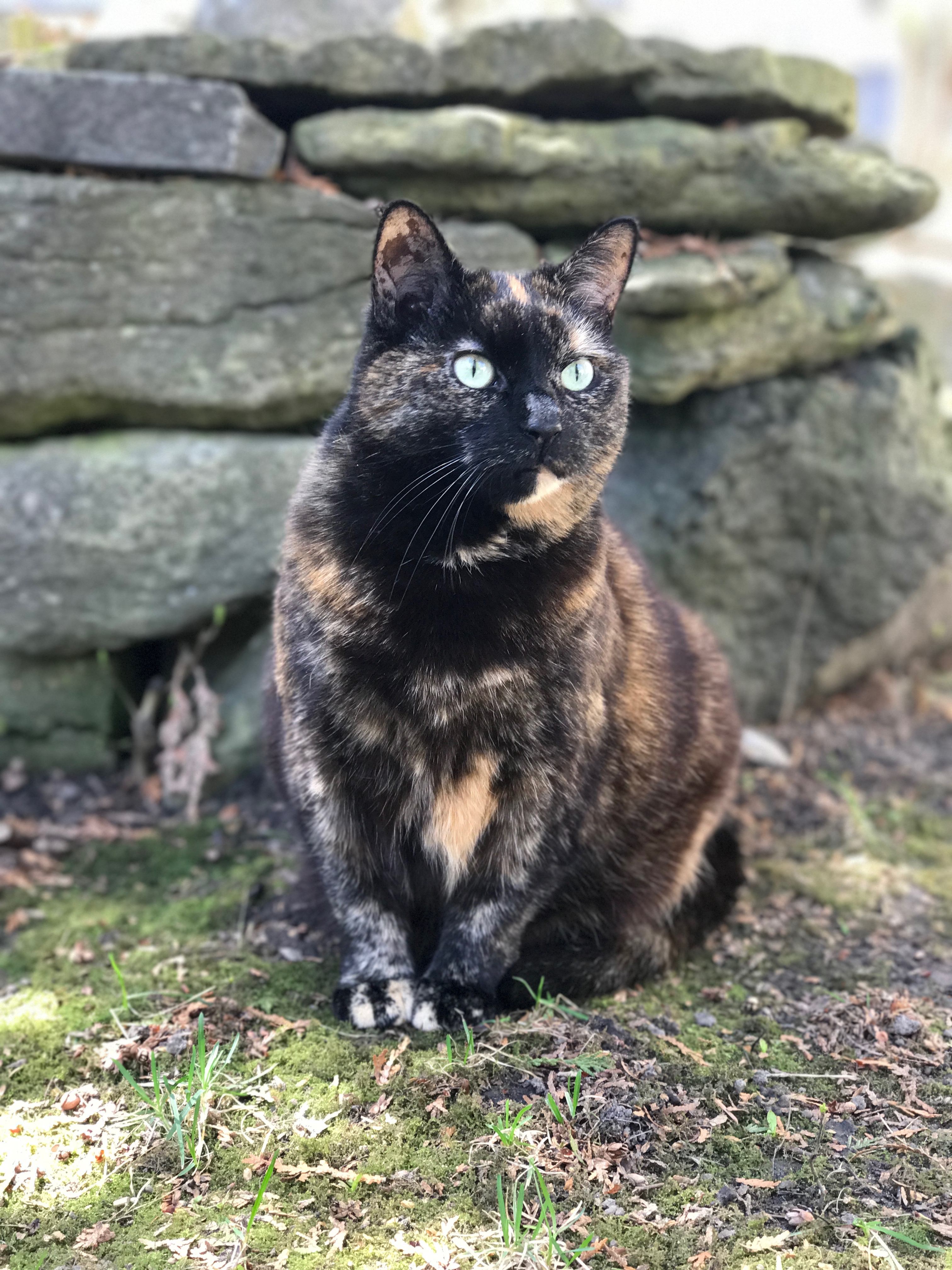
A classic tortoiseshell displays a blend of black and orange patches, sometimes softened by cream or accented with small white spots. Each cat’s layout is unique—some show bold, clearly defined blocks, while others carry a brindled, speckled effect. Eye color ranges from gold to green or copper, creating a vivid contrast against the multicolored fur.
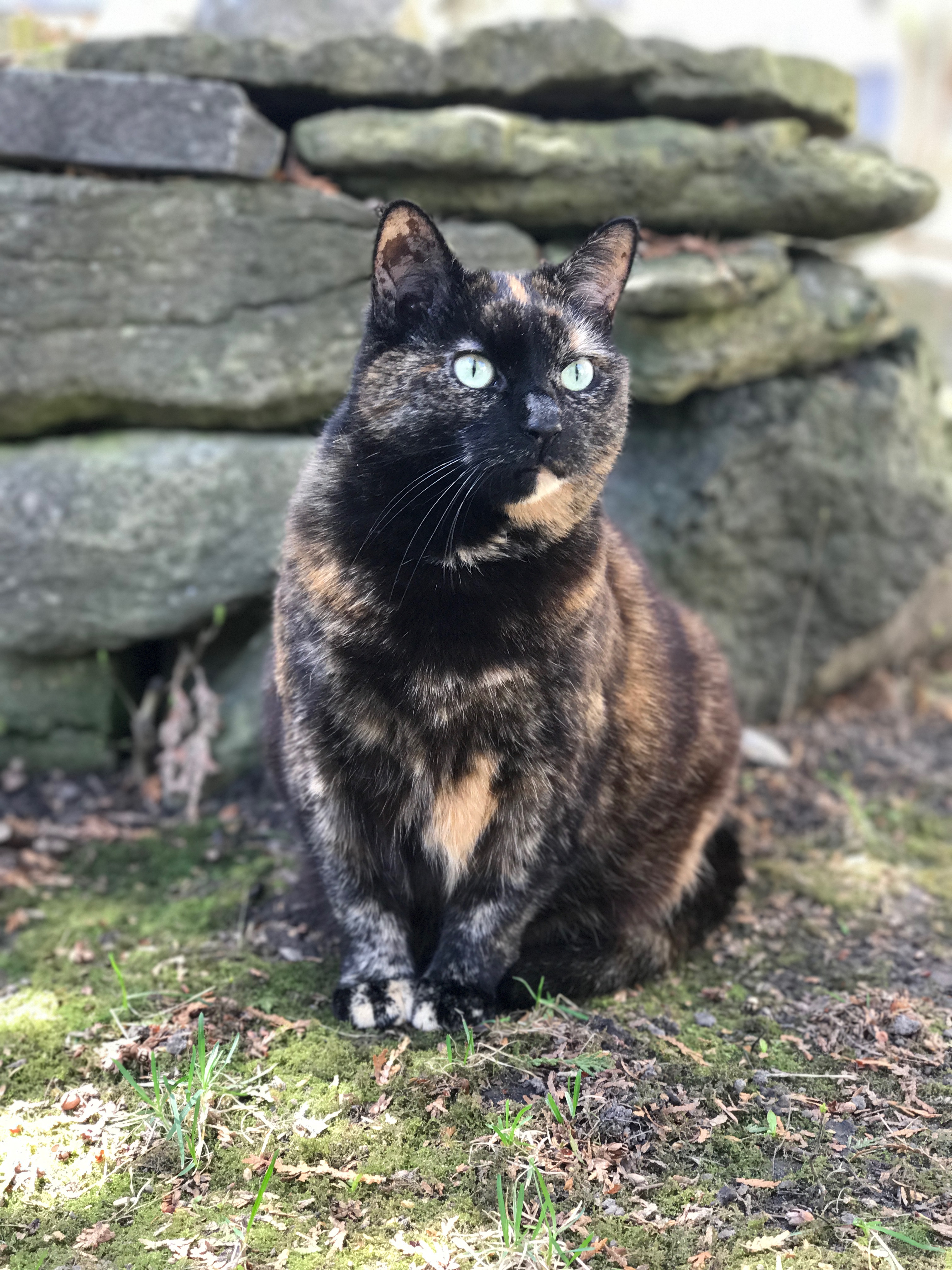
Beyond color, many owners describe tortoiseshell cats as self-assured and observant. They often balance independent exploration with moments of affection, making interactive toys and climbing spaces welcome additions to the home.
Behavior and Temperament
Personality varies by individual, yet tortoiseshell cats are frequently portrayed as spirited and quick-witted. They may patrol the living room like tiny guardians, investigate new objects, or learn simple tricks for treats.
While not always lap cats, they usually form strong bonds with preferred people, offering head bumps and quiet companionship on their own terms. Providing puzzle feeders and window perches helps satisfy their curious minds.
Health and Care
Like any cat, a tortoiseshell benefits from routine veterinary visits, balanced nutrition, and an enriched environment. Because the pattern is purely cosmetic, health risks mirror those of the underlying breed or mixed heritage; responsible screening and preventive care remain the best safeguards.
Keeping vaccinations current, maintaining dental hygiene, and monitoring weight will support a long, active life. Indoor living supplemented by supervised outdoor time or secure catios can reduce injury risks while still offering mental stimulation.
Significance in the Cat Fancy
Show halls and adoption centers alike admire tortoiseshell cats for their living-stained-glass appearance. Their coats have inspired art, folklore, and even genetic studies that illuminate how color inheritance works in felines.
Breeders sometimes introduce tortoiseshell lines to widen color diversity, always aiming for robust health alongside aesthetic goals. Meanwhile, everyday tortoiseshell rescues prove that stunning patterns can shine in ordinary homes, encouraging adoption of mixed-breed cats.
Conclusion:
With their patchwork beauty and lively personalities, tortoiseshell cats occupy a special niche in the feline world. Understanding their history, traits, and care needs helps guardians appreciate these living mosaics and ensures the cats enjoy happy, healthy lives. Continued attention to responsible breeding, adoption advocacy, and routine wellness will keep tortoiseshell cats captivating admirers for generations to come.
Future efforts can deepen knowledge of coat genetics, refine best practices for mixed-breed health, and promote enrichment strategies that let every tortoiseshell cat thrive in a safe, loving environment.