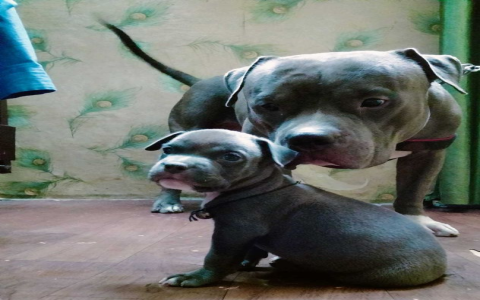
Pitbull Puppy Pricing Overview: Key Considerations for Prospective Owners
Introduction
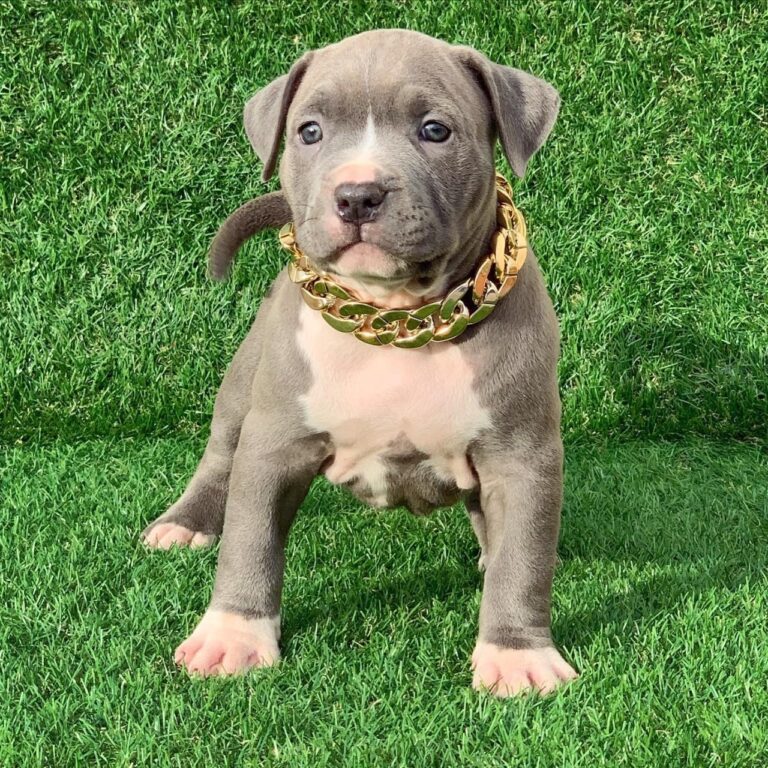
The Pitbull, admired for its devotion, athleticism, and quick mind, continues to win hearts across the globe. Rising interest in bringing home a Pitbull puppy has made it helpful to understand what shapes the final price tag. This overview outlines the main elements that affect cost and highlights current market patterns.
Factors That Shape Puppy Prices
1. Breeder Practices and Standing
Reputable breeders who prioritize health checks, early socialization, and ethical standards typically set higher asking prices. Their investment in veterinary care, balanced nutrition, and enrichment activities is reflected in the puppy’s overall well-being and temperament.
2. Lineage and Heritage
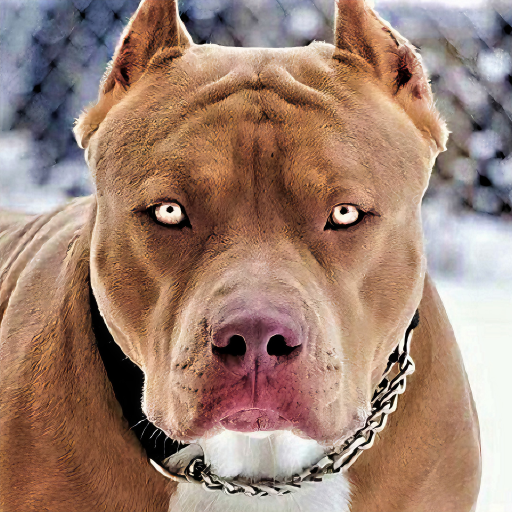
Puppies descended from dogs with proven working ability or show success often command premium fees. Consistent traits such as stable temperament, sound structure, and keen intelligence are especially valued by enthusiasts.
3. Age and Development Stage
Very young puppies—particularly those under four months—are usually priced higher because they require extra time and resources before joining new homes. Larger adolescents may also cost more due to increased feeding and care expenses.
4. Health Screenings
Litters that arrive with up-to-date vaccinations, deworming schedules, and basic genetic clearances generally carry higher initial costs. These precautions reduce future medical risks and offer buyers greater peace of mind.
5. Local Demand
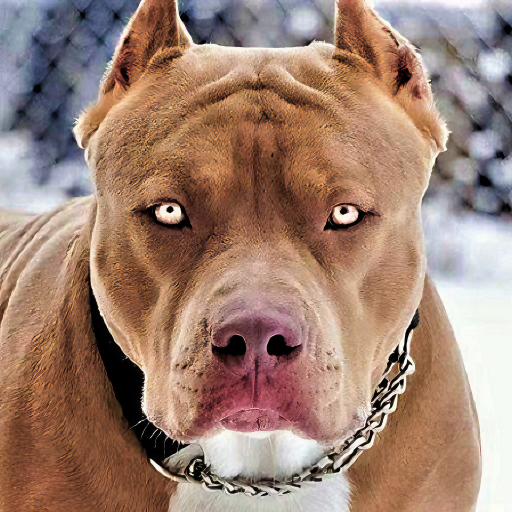
When interest in the breed outpaces available litters, prices trend upward. Conversely, an abundance of puppies in a given area can soften the market and create more negotiable rates.
Market Snapshot and Typical Price Bands
1. General Range
While figures fluctuate, most prospective owners can expect to budget anywhere from roughly three hundred to eight hundred dollars for a companion-quality puppy. Exceptional pedigrees or specialized training backgrounds may push costs beyond this window.
2. Observed Trends
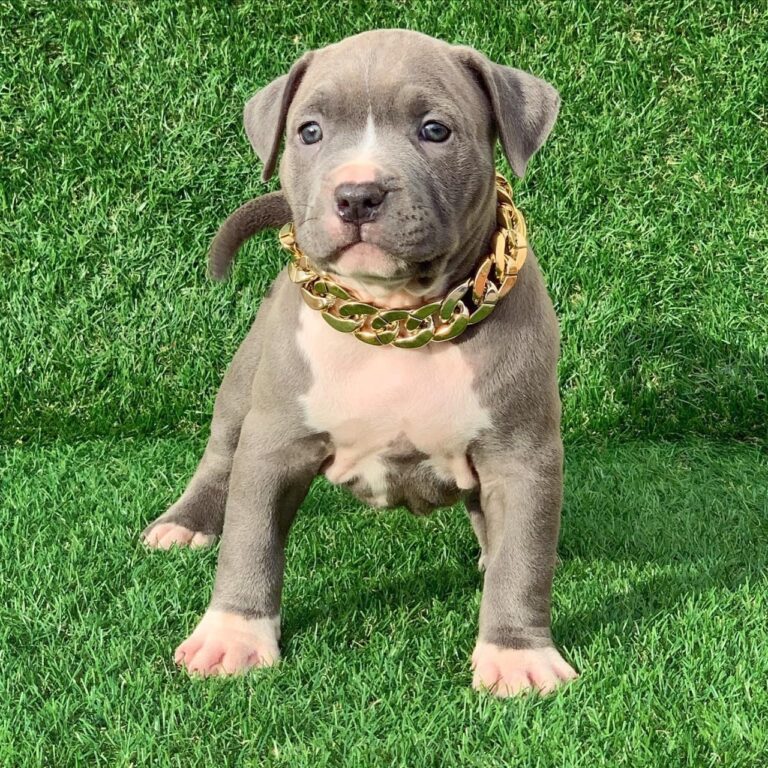
Demand has climbed steadily as more families discover the breed’s affectionate nature and adaptability. Social media exposure, positive owner testimonials, and increased interest in active outdoor companions have all fueled this growth.
Rewards of Sharing Life with a Pitbull
1. Devotion and Watchfulness
These dogs form deep bonds with their people and are naturally alert to unfamiliar situations, making them both loving housemates and attentive guardians.
2. Quick Learning and Versatility
Eager to please and highly trainable, Pitbulls thrive in obedience classes, canine sports, and even therapy settings when guided with consistency and kindness.
3. Flexible Lifestyle Fit
Whether living in a city apartment or a suburban home with a yard, a well-exercised Pitbull adjusts comfortably, provided mental stimulation and daily activity are part of the routine.
Conclusion
Pitbull puppy prices hinge on breeder reputation, lineage, age, health assurances, and regional demand. By weighing these factors, future owners can set realistic budgets and choose responsibly bred companions. The breed’s loyalty, intelligence, and adaptability continue to make it a cherished choice for many households.
Suggestions for Further Exploration
To deepen insight into the Pitbull market, the following areas merit attention:
1. Assess the broader economic footprint of responsible breeding and pet ownership within local communities.
2. Compare price variations across different cities or regions to identify consistent patterns.
3. Examine how evolving animal-welfare guidelines influence breeding practices and buyer confidence.
4. Gather firsthand accounts from breeders, trainers, and owners to highlight best practices and common challenges.
Pursuing these lines of inquiry can support healthier dogs, better-informed buyers, and a more transparent marketplace for everyone involved.