The Impact of a Local Animal Network on Community Pet Welfare
Introduction
A community-focused animal network has been quietly transforming the way pets are cared for and adopted across the region. This article explores how the program reduces the number of animals living on the streets, enriches daily life for shelter residents, and encourages more families to choose adoption. By looking at day-to-day operations, we can see why the initiative matters and how its ripple effects continue to spread.
Reducing the Number of Stray Animals
One of the network’s core missions is to lower the stray population. By offering a temporary refuge for lost, abandoned, or surrendered pets, the group keeps countless animals off the streets and out of harm’s way.
Key tools include affordable spay and neuter clinics that help prevent unplanned litters, along with humane trap-neuter-return projects that stabilize neighborhood cat colonies. These measures curb population growth without resorting to euthanasia.

Research shows that areas with widespread sterilization services consistently report fewer strays, confirming that prevention programs like these tackle the problem at its source.
Improving the Lives of Shelter Pets
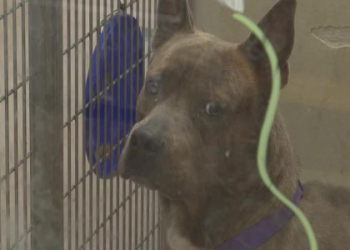
Beyond intake numbers, the network prioritizes quality of life for every animal under its roof. Clean kennels, daily enrichment, balanced meals, and on-site medical checks create an environment where shy dogs learn to trust again and injured cats heal safely.
Volunteer foster families extend this care into real homes, giving animals a break from kennel stress and potential adopters a clearer picture of a pet’s personality. Toys, gentle training, and plenty of affection prepare residents for a smooth transition to permanent homes.
Studies on foster initiatives reveal higher adoption rates and lower return rates, underscoring the value of home-based respite.
Promoting Pet Adoption
Weekly meet-and-greet events, colorful online profiles, and clear adoption guides make bringing home a new companion simpler than ever. Counselors remain available after the paperwork is signed, offering advice on everything from house-training to introducing the new pet to resident cats.
By celebrating each “gotcha day” on social media and sharing success stories, the network normalizes adoption and inspires neighbors to open their doors to a shelter animal.
Collaboration with Local Organizations
No single group can do it alone. The network teams up with veterinarians, pet-supply shops, schools, and volunteer clubs to share resources and expertise. Joint transport runs move animals from crowded facilities to places with open kennels, while shared grant applications fund medical equipment and community outreach.
These partnerships multiply impact: more animals helped, more families educated, and more happy tails wagging across the region.
Conclusion

Through prevention, care, adoption, and cooperation, the local animal network has become a steady force for good. Its balanced approach offers a replicable blueprint for any town that believes every pet deserves comfort, respect, and a loving home. Continued support will keep the momentum alive—one adoption, one healed paw, and one reunited family at a time.