
The Diverse World of Pets: Understanding Companion Animals and Their Influence
Introduction
Companion animals have shared human homes for thousands of years, offering comfort, friendship, and a sense of connection. The phrase “companion animals” covers a wide spectrum of species that have adapted to life alongside people. This article explores the main groups of companion animals, their traits, and the ways they shape everyday life. Recognizing this variety helps us value the distinct roles these animals play in homes around the globe.
The Evolution of Companion Animals
The Domestication Journey
Domestication began millennia ago, when people first welcomed creatures that could help with food, protection, or work. Gradually, certain species moved closer to human settlements, evolving into the companion animals we know today. This slow process produced animals suited to sharing living spaces and meeting social as well as practical needs.
Common Companion Species
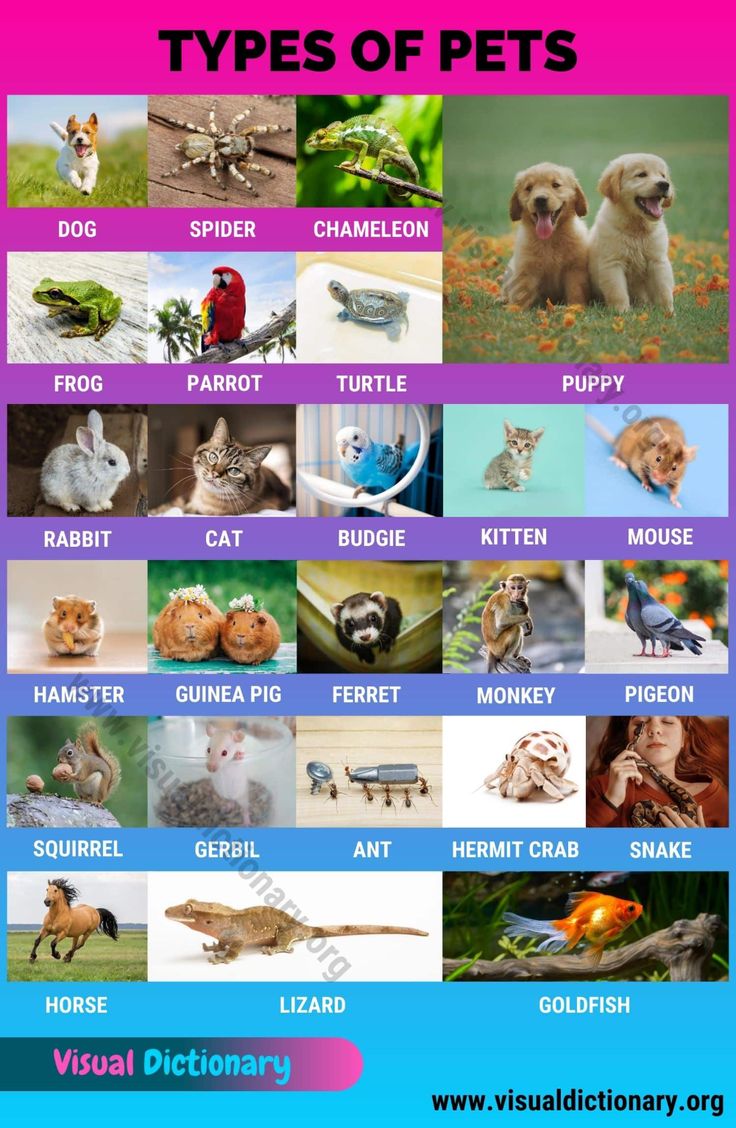
Households today choose from a broad range of companion animals. Among the most familiar are:

– Dogs: Celebrated for loyalty, trainability, and strong bonds with people.
– Cats: Appreciated for playful independence and affectionate moments.
– Birds: Parakeets, canaries, and similar species delight owners with song and bright feathers.
– Small Mammals: Hamsters, guinea pigs, and gerbils entertain with gentle, curious behavior.
– Reptiles: Turtles, lizards, and snakes appeal to keepers looking for quiet, low-maintenance pets.
The Impact of Companion Animals on Human Lives

Companionship and Emotional Support
Many households invite animals primarily for company. A pet’s presence can ease loneliness, lift mood, and create daily structure. Interacting with animals is often linked to reduced stress and greater emotional balance, reinforcing the sense that pets are fully fledged family members.
Health Benefits
Living with animals can encourage healthier routines. Dog keepers, for instance, tend to walk more often, supporting heart health and overall fitness. Time spent stroking or playing with pets may also lower blood pressure and promote relaxation.
Learning and Therapy
Children who care for animals frequently develop empathy and practical responsibility. In clinics, schools, and care homes, trained animals assist professionals by motivating clients, calming anxiety, and aiding communication.
The Challenges of Pet Ownership
Daily Responsibility
Every companion animal needs appropriate food, shelter, exercise, and medical attention. Meeting these needs consistently demands time, planning, and financial resources, which can strain busy households.
Ethical Considerations
Responsible ownership includes safeguarding an animal’s physical and mental well-being. This means providing spacious, stimulating environments, avoiding unnecessary procedures, and respecting each creature’s natural behaviors.
Conclusion
The realm of companion animals is rich and varied, offering mutual benefits to people and pets alike. These relationships can enhance emotional health, encourage active lifestyles, and teach valuable life skills. Yet they also require thoughtful care and ethical awareness. By embracing responsible practices, owners ensure that companion animals continue to enrich daily life for generations to come.
Future Research Directions
Continued studies could clarify how lifelong pet ownership influences human wellness and social bonds. Investigations into best-care guidelines, sustainable pet products, and humane training methods will further support the welfare of both animals and their human partners.