
Introduction
Bringing a tiny newcomer into a home already ruled by a resident cat can feel like mixing lightning and velvet. Worries about claws, hisses, or worse often keep owners awake at night. This piece looks at how often serious harm occurs, why it might happen, and what everyday steps can keep every whisker safe.
Understanding Aggression in Cats
Types of Aggression
Cats rarely lash out without reason; usually they are protecting space, reacting to surprise, or sorting who’s in charge. Spotting the style of tension helps predict trouble before it starts.
– Territorial Tension: A settled cat may see a playful kitten as an unwanted guest on its favorite windowsill.

– Fearful Reactions: A shy adult that has lived solo may panic when confronted with endless kitten energy.
– Status Disputes: Some cats feel compelled to remind newcomers that the top perch is already taken.
Factors Contributing to Aggression
Several everyday influences can raise the odds of spats:
– Age and Size Gap: A bouncy eight-week-old is easier to intimidate than a confident young adult.
– Individual Temperament: Bold cats charge in; cautious ones hide and then swipe.

– Past Experiences: A cat previously chased by dogs or bullied by other felines may read every approach as danger.
The Likelihood of a Cat Killing Its New Kitten
Statistics
Serious attacks ending in tragedy are rare. In broad shelter surveys, fatal incidents between household cats and newly introduced kittens register well below the single-digit percentage range.
Factors Reducing the Risk
Good management tips the scale toward peace:
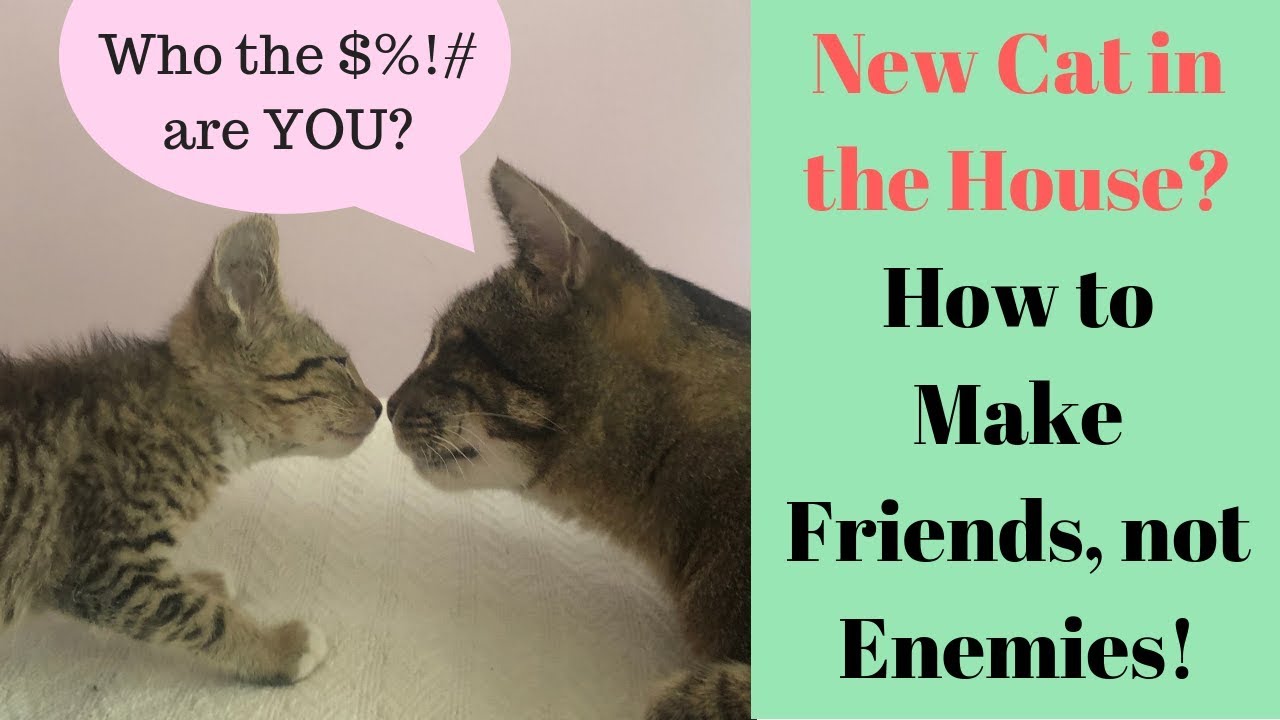
– Slow Introductions: Short, supervised visits let curiosity replace fear.
– Separate Resources: Individual feeding stations, water bowls, and litter trays remove reasons to compete.
– Calm Rewards: Treats or gentle praise when the older cat stays relaxed build positive associations.
Preventing Aggression and Harm
Steps to Take
A steady plan keeps tails high and claws sheathed:
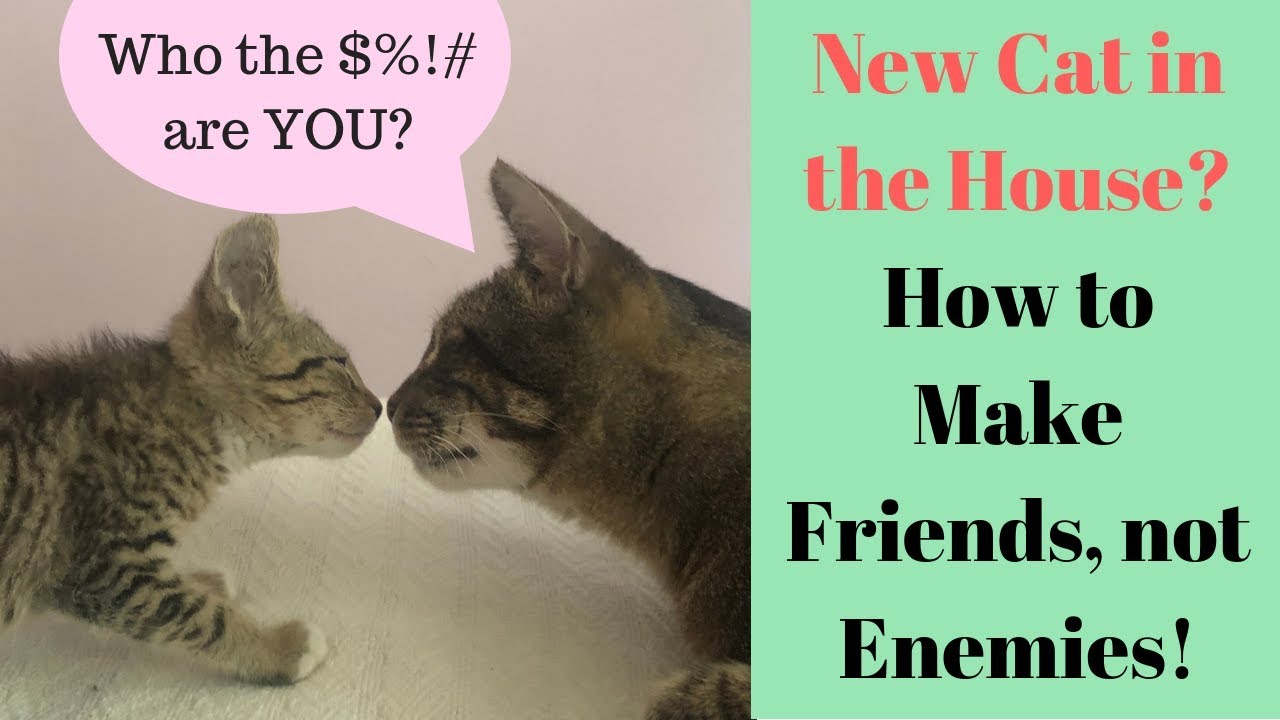
– Stage the First Meetings: Begin with scent swapping, then brief glimpses through a gate, and finally shared play under your watch.
– Create Retreats: High shelves, covered beds, or baby-gated rooms give each cat a place to decompress.
– Celebrate Good Moments: Offer a soft word, a chin rub, or a kibble when both animals choose calm over chaos.
– Stay Alert: If growls escalate or one cat freezes with dilated eyes, separate them and restart more gradually.
Conclusion
Stories of fatal outcomes grab attention, yet most introductions end in nothing more dramatic than an occasional hiss. By respecting feline pacing, providing plenty of resources, and rewarding relaxed behavior, owners can tip the balance toward friendship and turn worry into purrs.
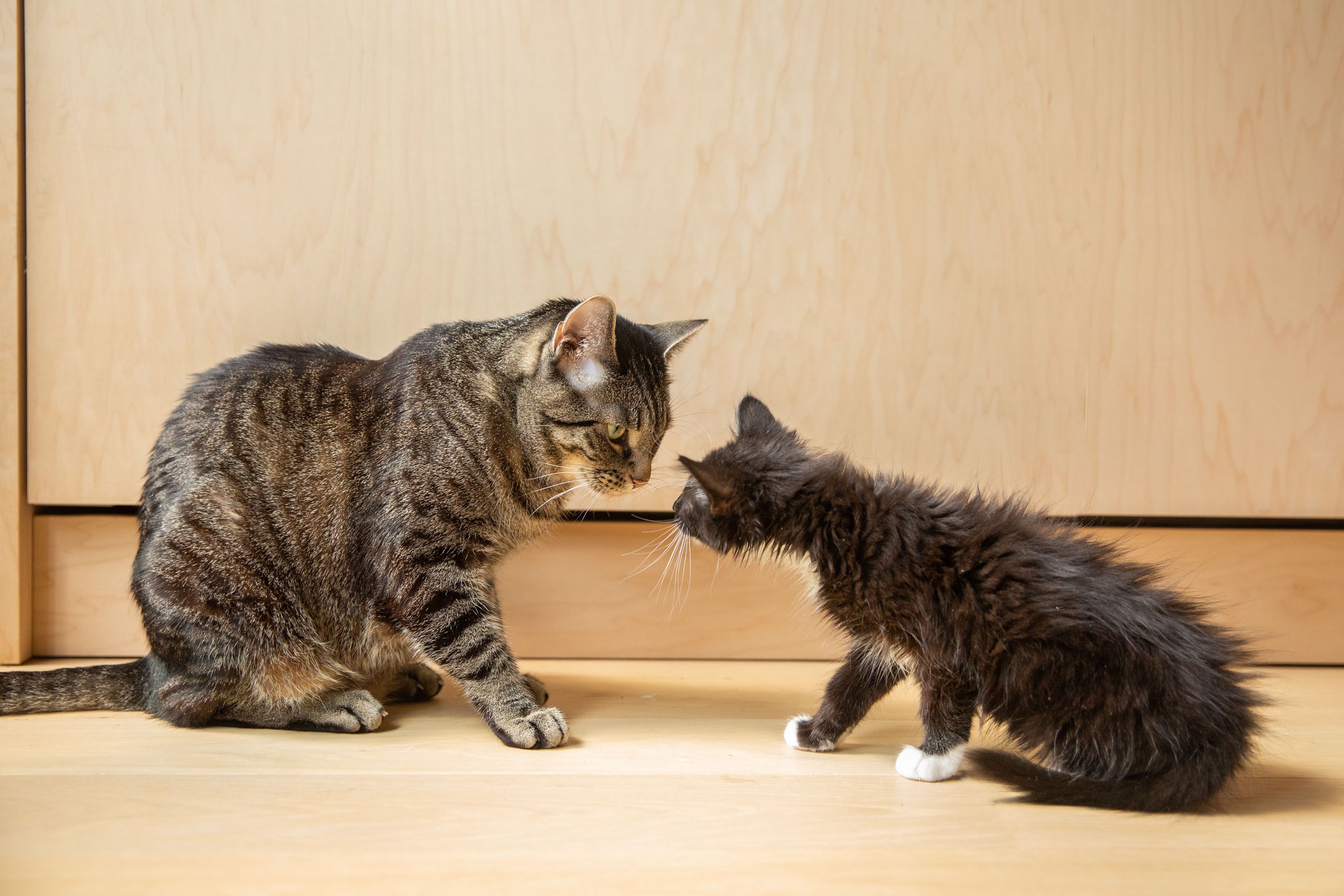
Future Research
More studies could follow blended households over months or years to see which early signals predict lasting harmony. Testing different pheromone diffusers, enrichment toys, or feeding schedules might also give owners a clearer recipe for lifelong peace among their feline families.