


Title: The Significance of Browsing Animals in Ecosystem Dynamics
Introduction:
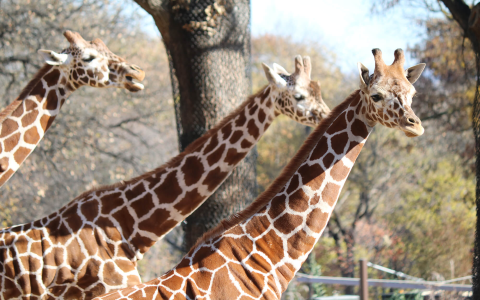
Browsing animals shape the way ecosystems look and function. By feeding on leaves, twigs, and other plant parts, they influence vegetation structure, nutrient flows, and overall stability. This article outlines how these herbivores support nutrient cycling, foster plant variety, and buffer ecosystems against change, offering a clearer picture of the delicate ties that keep natural systems balanced.
Role of Browsing Animals in Nutrient Cycling
As browsers eat, they speed up the breakdown of plant matter. Fragmented foliage and partially digested material return to the ground faster, releasing nitrogen, phosphorus, and other key elements that nearby plants can absorb. In this way, browsing accelerates the loop that keeps soils fertile and productive.
Droppings and urine add another round of nutrients. Rich in minerals and organic compounds, these wastes act as natural fertilizers, stimulating microbial activity and fresh plant growth. The result is a self-renewing cycle that underpins ecosystem productivity.
Impact of Browsing Animals on Plant Diversity
Selective feeding gives less competitive plants room to thrive. By trimming dominant species, browsers reduce shade and free up space, water, and nutrients for seedlings of many types. Over time, this leads to a richer mosaic of vegetation.
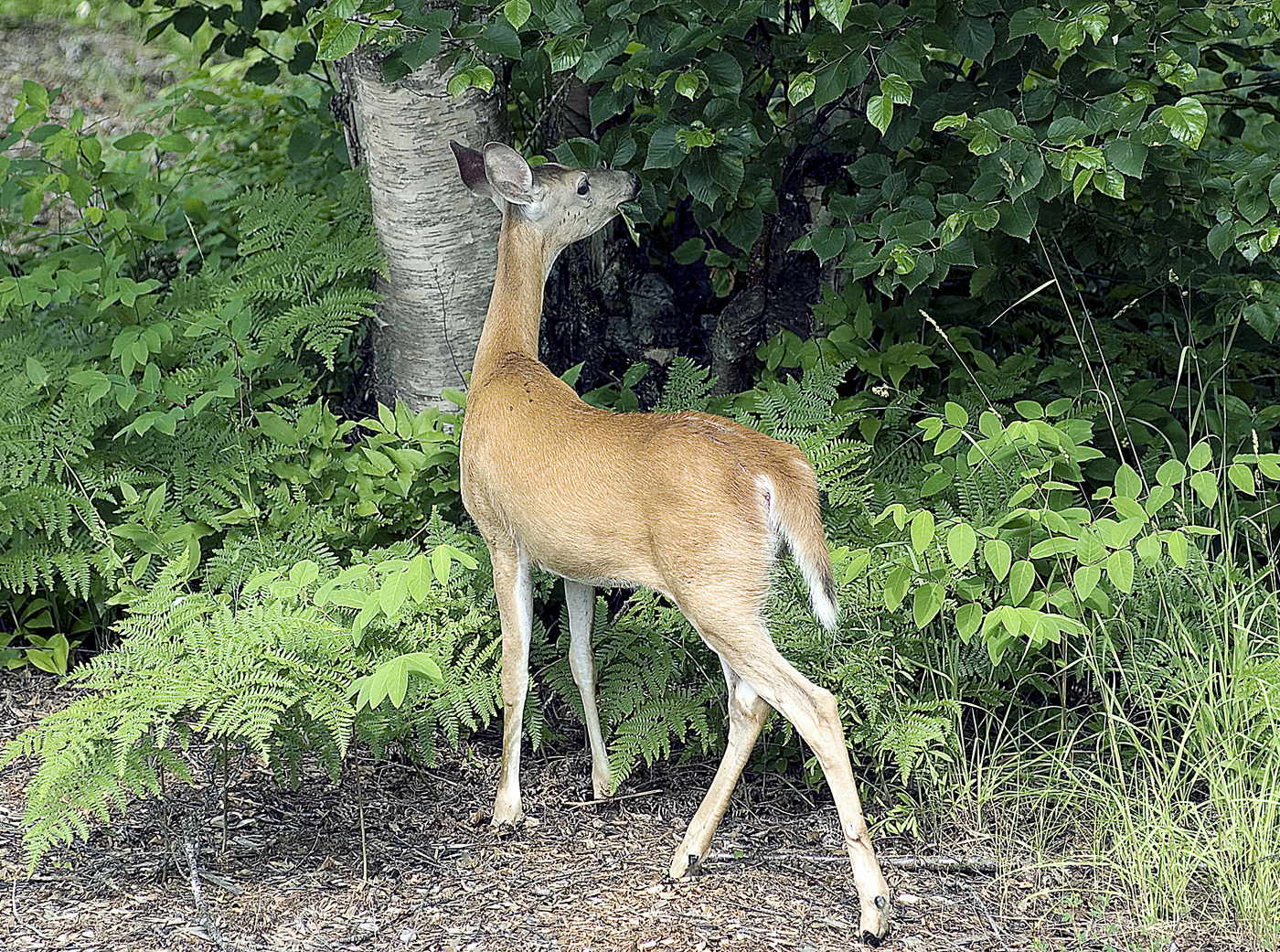
Field observations around the world show a consistent trend: moderate browsing pressure is often linked to higher numbers of plant species. The animals’ hoof action and dung piles also create small, fertile patches that favor uncommon herbs and shrubs, further widening the botanical palette.
Role of Browsing Animals in Ecosystem Stability
By keeping fast-growing plants in check, browsers prevent any single species from monopolizing light and soil resources. This balance lowers the risk of large-scale die-off during droughts or insect outbreaks and helps native flora persist when conditions turn harsh.
In grasslands and forests alike, studies note that areas with resident browsing guilds recover more quickly after fire, extreme weather, or human disturbance. Their steady grazing pressure limits fuel loads, curbs invasive seedlings, and maintains a varied canopy, all of which strengthen long-term resilience.
Conclusion
Browsing animals are quiet architects of healthy landscapes. Through daily feeding, they recycle nutrients, widen plant diversity, and steady ecosystems against shocks. Recognizing these services is vital as climates shift and habitats fragment. Protecting the spaces where browsers roam ensures that the natural processes they drive continue to support life at every level.
Recommendations:
1. Safeguard and reconnect habitats that allow browsing animals to move and forage freely.
2. Expand long-term studies on how browsing moderates climate-change effects and habitat loss.
3. Share clear, engaging information with the public about the essential role these herbivores play in keeping ecosystems vibrant and resilient.


