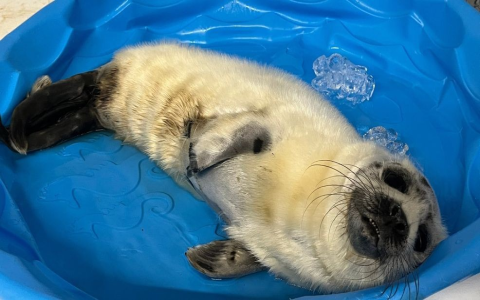
The Enchanting World of Seals: A Journey into Their Adorable Lives
Introduction
With their velvety fur, mischievous antics, and soulful eyes, seals have quietly claimed a corner of our collective affection. Found sliding across ice or bobbing in gentle waves, these marine mammals spark curiosity and warmth wherever they appear. This article invites readers to discover what makes seals so endearing, how their charm influences us, and why safeguarding their future matters.
The Distinctive Traits of Seals
Seals, members of the pinniped family, are built for life at sea: sleek bodies, strong flippers, and a cozy layer of blubber keep them agile and warm. Beyond survival, these features combine to create an irresistible package:
Velvety Fur and Round Faces
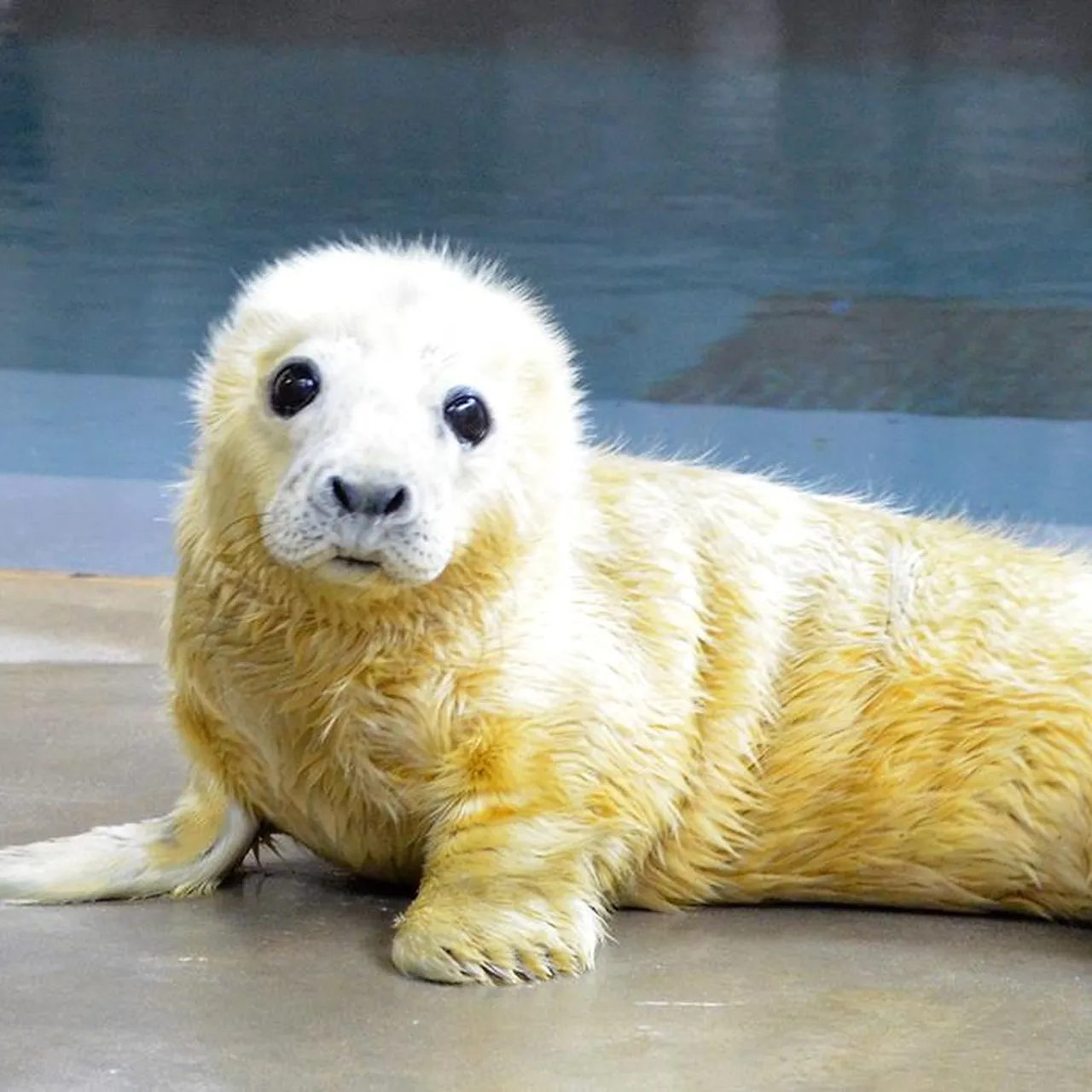
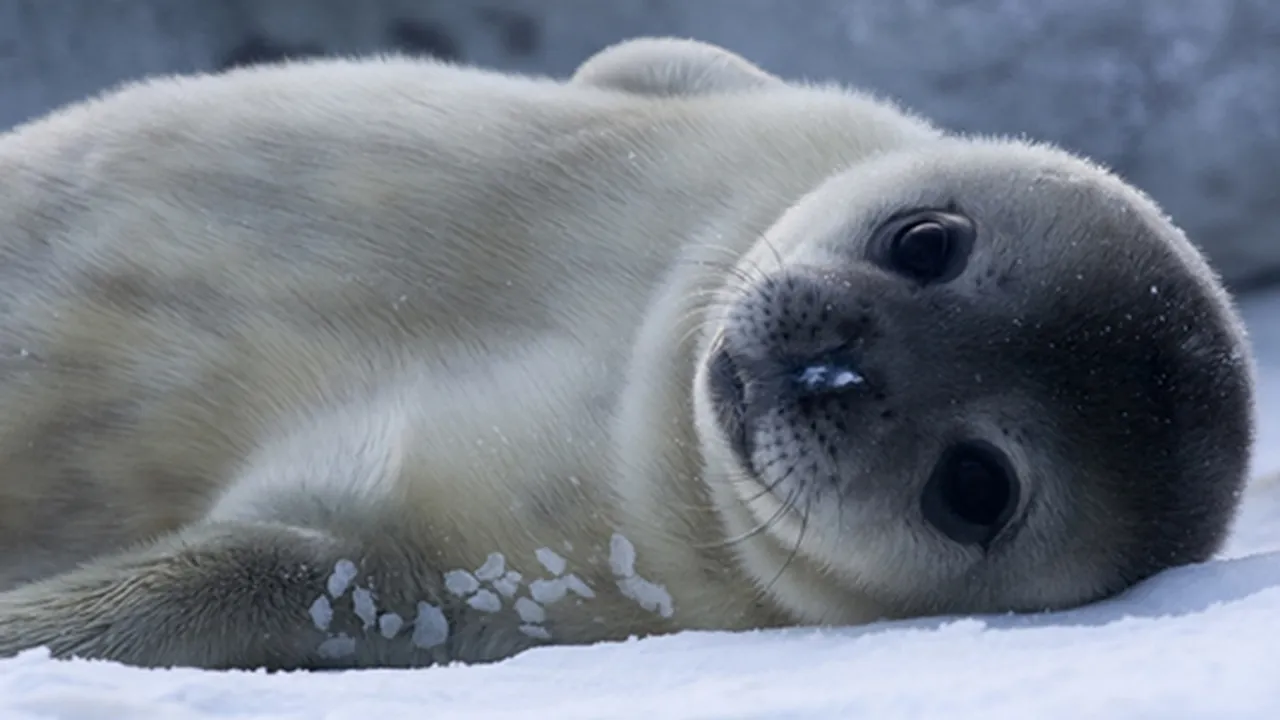
A seal’s coat—ranging from silver-gray to charcoal—traps air for insulation and gives a plush, huggable look. Add large, dark eyes and a button nose, and the result is a living teddy bear that melts hearts across the globe.
Playful Spirits
Whether belly-sliding down icy slopes or twirling beneath the surface, seals exude joy. Their games strengthen social bonds and offer endless delight to anyone lucky enough to watch.
Expressive Gestures
A tilt of the head or a wide, yawning stretch can seem almost conversational, inviting people to project gentle emotions onto these serene creatures.
Why We Find Seals So Cute
Science offers clues to the universal “aww” response seals trigger:
Biological Roots
Large eyes, soft contours, and clumsy-on-land movements mirror traits human brains associate with infants, sparking nurturing instincts that likely helped ancestral communities protect vulnerable coastal wildlife.
Psychological Pull
Encounters with seals often release oxytocin, the same hormone linked to bonding and calm, leaving observers happier and more relaxed after a seaside sighting.
Seals in Human Emotions and Culture
From ancient legends to modern social-media memes, seals have long swum through our stories:
Emotional Resonance
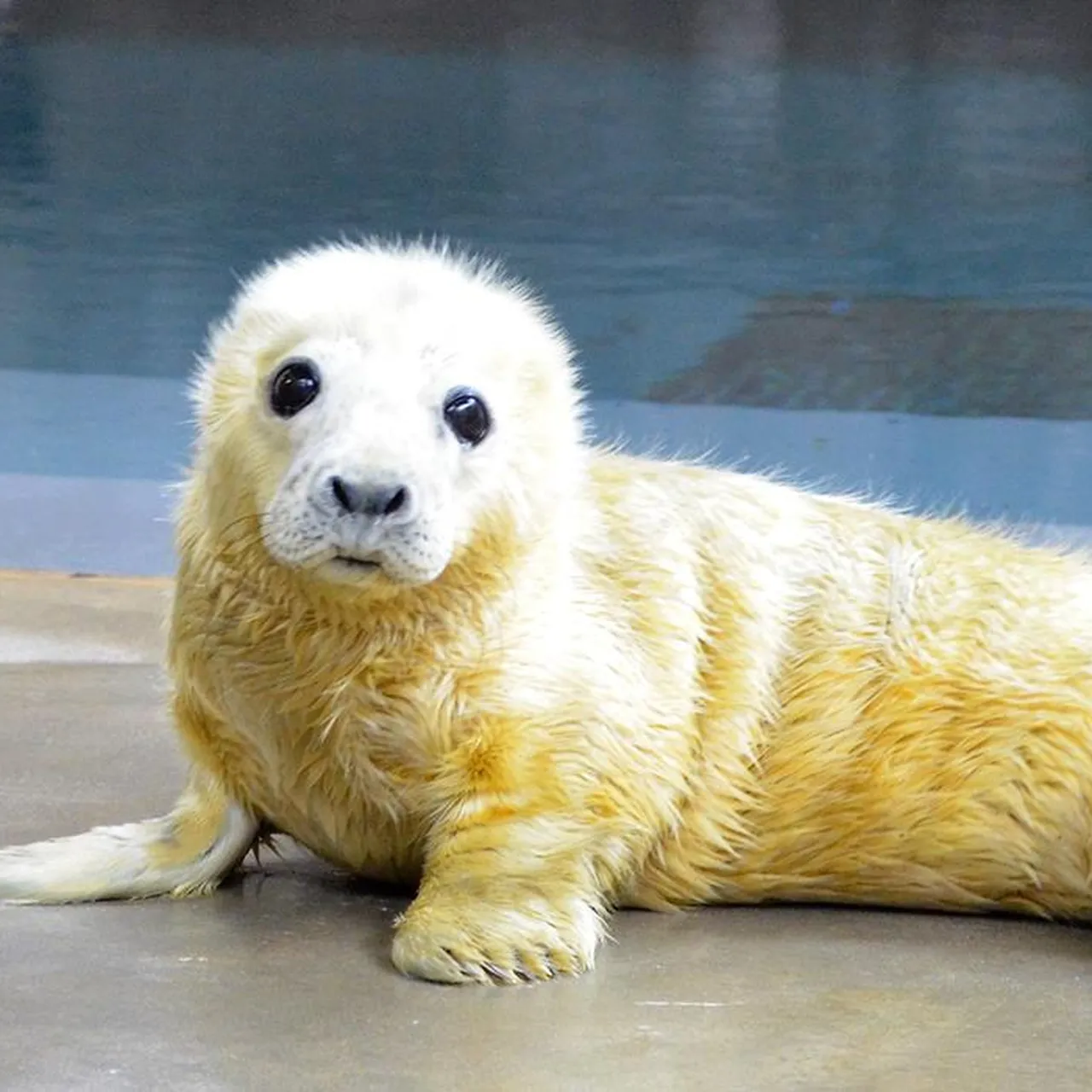
A brief glimpse of a seal peering from the surf can turn an ordinary beach day into a treasured memory, reminding us of nature’s gentle surprises.
Cultural Footprints
Coastal communities worldwide weave seals into art, songs, and seasonal festivals, celebrating them as symbols of abundance, adaptability, and the ocean’s mystery.
Protecting Our Flippered Friends
Admiration alone cannot shield seals from mounting pressures:
Challenges at Sea
Warming seas, discarded fishing gear, and noisy vessel traffic disrupt breeding grounds and travel routes, pushing some populations toward decline.
Public Support
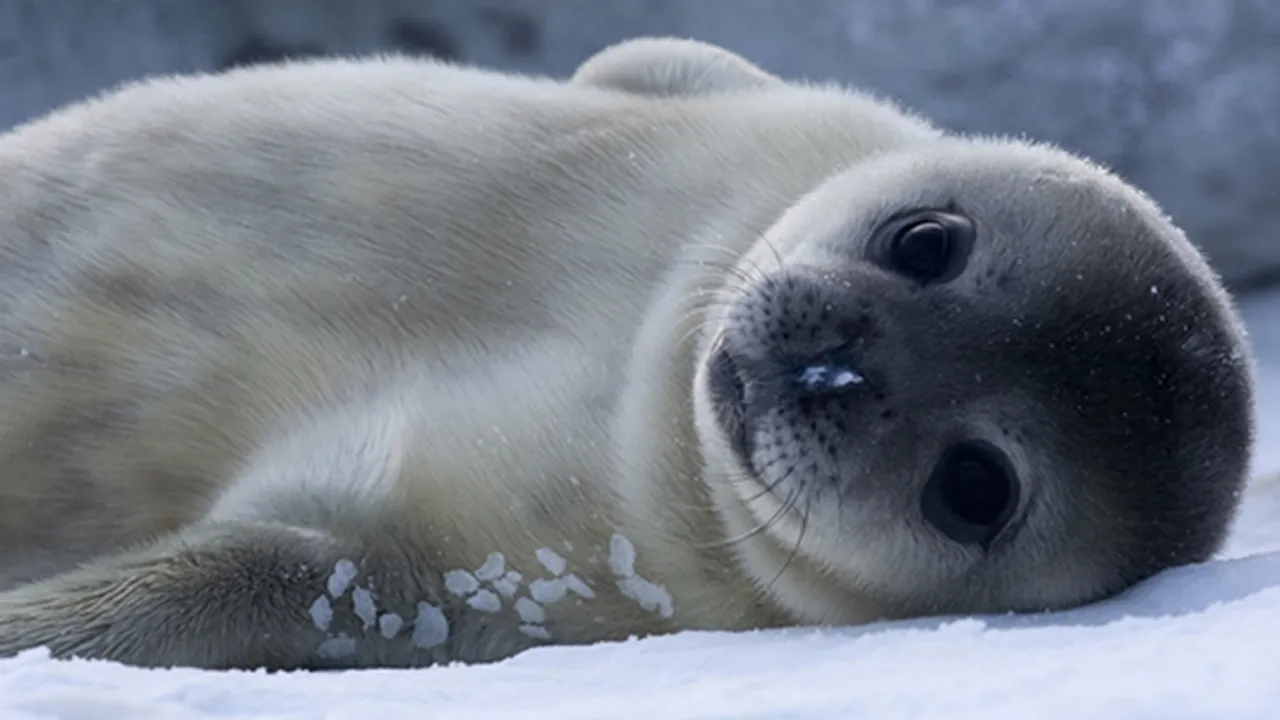
Images of wide-eyed seal pups tangled in plastic have galvanized beach clean-ups, sustainable-seafood campaigns, and stricter marine-pollution laws, proving that cuteness can be a powerful catalyst for change.
Conclusion
Seals enchant us with a blend of evolutionary artistry and heartfelt charisma. By channeling our affection into conservation action—reducing plastic use, supporting marine sanctuaries, and advocating for climate solutions—we help ensure future generations will still feel that spark of wonder when a whiskered face pops above the waves.
Recommendations and Future Research
To keep the magic alive, scientists and citizens alike can focus on:
Increased Funding for Conservation Efforts
Expand grants for habitat restoration, wildlife-rescue centers, and long-term population monitoring.
Public Education and Outreach
Create school programs, virtual tours, and citizen-science apps that connect everyday people with seal conservation.
Scientific Research
Investigate how seals shape marine food webs, adapt to changing ice patterns, and communicate beneath the surface.
International Collaboration
Encourage treaties that protect migratory corridors and set shared standards for ocean noise and plastic waste.
By embracing these steps, we transform admiration into stewardship, ensuring seals continue to glide through cold waters—and into our hearts—for centuries to come.