Title: How Cat-Friendly Pet Stores Shape Adoption and Well-Being
Introduction:
Shops that welcome live cats have become popular destinations for people looking to add a feline friend to their lives. This overview examines how the presence of cats inside retail spaces influences both adoption rates and day-to-day animal welfare, balancing the benefits for future owners against the responsibilities placed on retailers.
Variety on Display
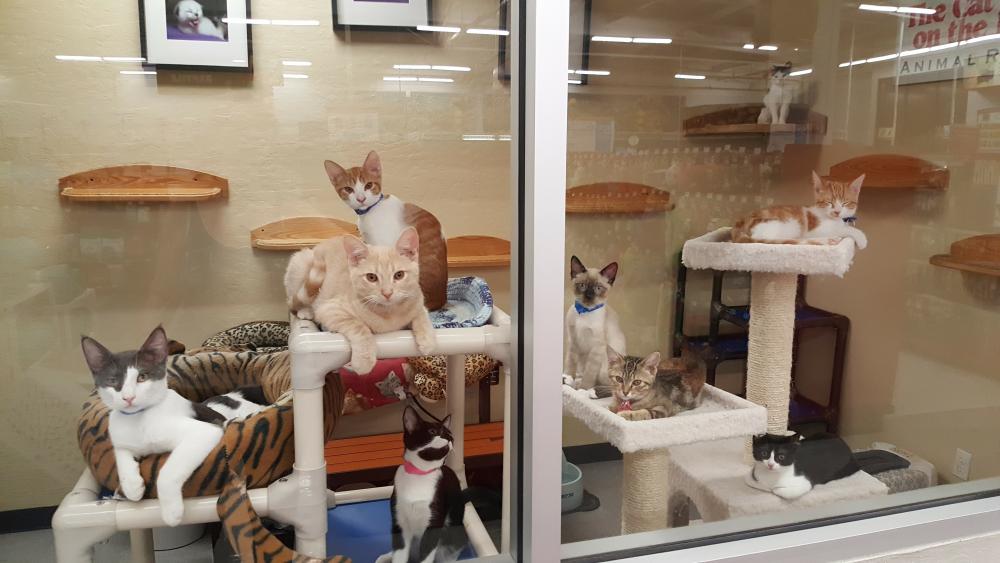
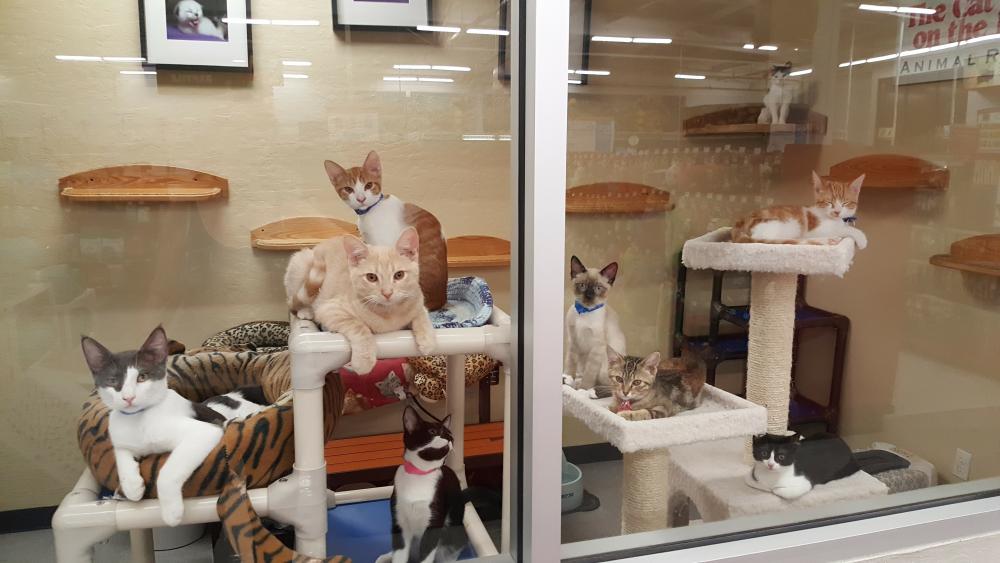
By keeping an ever-changing group of kittens and adults on site, stores give visitors a firsthand look at different coat colors, personalities and energy levels. Such variety helps prospective guardians identify the companion that best matches their lifestyle, strengthening the human-animal bond from the very first meeting.
Independent surveys repeatedly show that outlets which house cats record faster adoption speeds than those relying solely on photographs or off-site foster homes, suggesting that face-to-face encounters encourage people to choose adoption over other sources.
The In-Store Experience
Many retailers set aside quiet meet-and-greet rooms where visitors can sit with cats, read body language and ask questions without pressure. Staff members typically share each animal’s known history, preferred diet and any special needs, giving shoppers realistic expectations before they take anyone home.
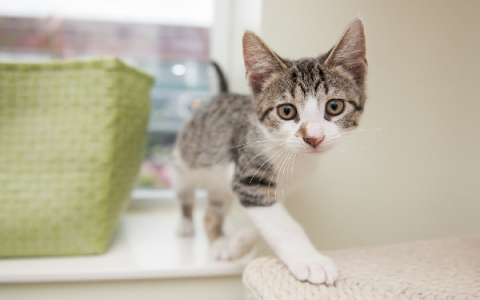
Positive interactions in these relaxed settings often turn curiosity into commitment; customers who have spent time playing or cuddling report greater confidence in their ability to care for the new pet and are less likely to return it later.
Safeguarding Welfare
Keeping cats physically and emotionally healthy in a retail environment requires constant attention. Best-practice guidelines call for spacious, clean enclosures, predictable daily routines, gentle handling and prompt veterinary checks. Enrichment items—scratching posts, climbing shelves, rotating toys—reduce boredom, while soft music and hiding boxes lower stress caused by unfamiliar noises and foot traffic.
Challenges remain: turnover can be rapid, space is expensive, and some animals are naturally shy. Stores that succeed schedule regular quiet hours, limit the number of cats on the floor, and partner with local veterinarians for weekly wellness visits. Transparent adoption protocols, including follow-up calls, further protect each cat’s long-term welfare.
Conclusion
Cat-friendly pet stores serve as bridges between homeless animals and loving homes, but their value depends on rigorous welfare standards and honest customer education. When managers prioritize comfort, enrichment and medical care, the cats thrive, visitors leave informed, and communities gain a trusted adoption venue.
Ongoing studies into post-adoption outcomes and stress-reduction techniques will help the sector refine its practices, ensuring that retail spaces continue to benefit both people and the cats they welcome.
Ultimately, when welfare stays at the center of the business model, these stores strengthen the human-feline bond and give more cats the permanent homes they deserve.