


Title: The Vital Role of Small-Breed Rescue Networks in Animal Welfare
Introduction
The Yorkshire Terrier, affectionately known as the Yorkie, is a popular toy breed loved for its compact size, silky coat, and spirited personality. Yet even these charming dogs can fall victim to neglect or abandonment. Dedicated rescue groups step in to provide safety, medical care, and a second chance at a loving home. This article explores why such organizations matter, how they strengthen communities, and the hurdles they confront while serving vulnerable pets.
The Importance of Small-Breed Rescue Groups
Specialized rescues offer a lifeline to tiny dogs that arrive from shelters, veterinary clinics, or owners facing hardship. By taking immediate custody, they shield animals from further stress and potential mistreatment.
Staff and volunteers evaluate each dog’s health, temperament, and training needs, then match them with carefully screened adopters. This thorough process lowers return rates and helps ensure long-term, happy placements.
The Impact on the Community
These groups educate the public about adoption, spay/neuter, and responsible ownership, steering prospective guardians away from questionable sources and toward rescued pets.
Regular meet-ups, fundraisers, and training workshops create a welcoming circle of like-minded neighbors who share tips, resources, and encouragement, strengthening local ties.
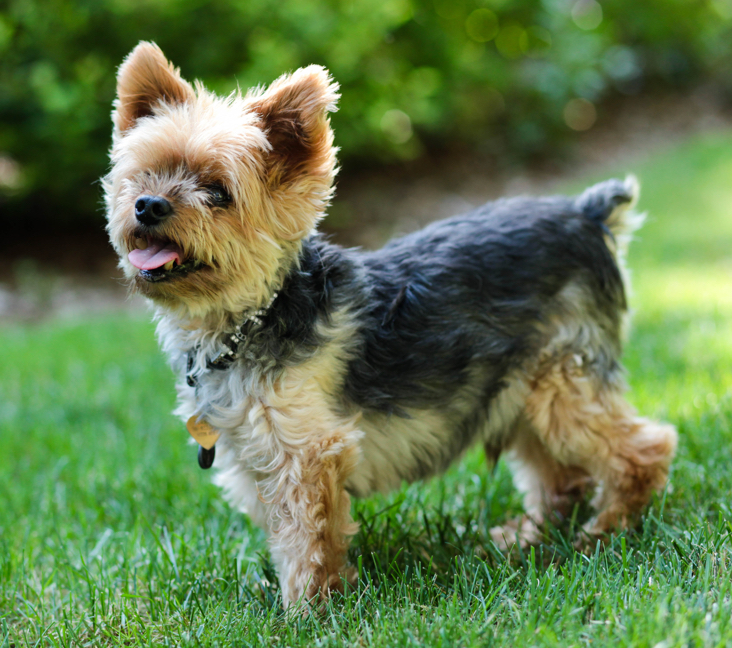
By transferring at-risk dogs into foster homes, rescues ease overcrowding at municipal shelters, reducing euthanasia and giving more animals the opportunity to thrive.
Challenges Faced by Rescue Organizations
Operating costs—from vaccinations to emergency surgeries—add up quickly. Because most groups rely on donations and small grants, budget shortfalls can limit the number of dogs they can assist at any one time.
Some rescued Yorkies arrive with chronic medical issues or anxiety-related behaviors that require ongoing treatment and patient training. Finding adopters equipped for that commitment remains an ongoing task.
Success Stories and Testimonials
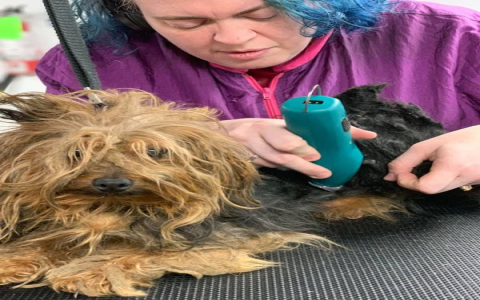
A scruffy little terrier arrived with patchy fur and a shy demeanor. Months of veterinary care and gentle socialization transformed her into a confident companion who now enjoys daily walks and couch cuddles with her new family.
Another tiny senior came with a heart murmur and required daily medication. A retired couple, experienced with special-needs pets, opened their home, giving him a sunny porch, soft blankets, and years of affection.
These victories illustrate how rescue work changes lives on both ends of the leash.
Conclusion
Specialized rescue networks serve as a vital safety net for small dogs in crisis, offering medical attention, emotional healing, and a path to lifelong homes.
Despite tight budgets and complex cases, volunteers remain steadfast, motivated by wagging tails and grateful adopters.
Community support—whether through donations, fostering, or simply spreading the word—helps these organizations expand their reach and save even more lives.
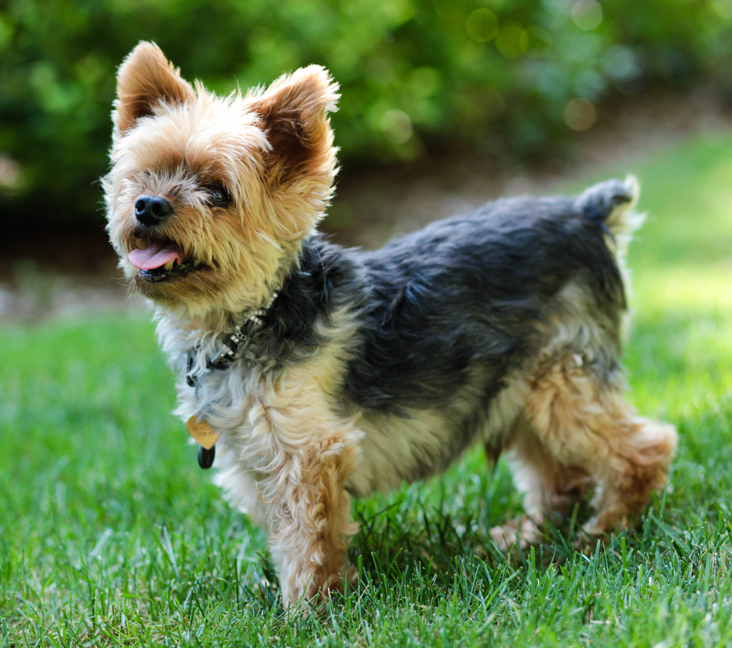
Looking ahead, building partnerships with veterinary clinics, pet-supply brands, and training professionals can provide steady resources and expertise, ensuring every Yorkie and similar breed receives the fresh start it deserves.
In the end, the dedication of small-breed rescues reminds us that collective compassion can turn uncertainty into hope for the most vulnerable animals among us.


