The Impact of Retail-Site Puppy Adoption on Shelters and Adopters
Introduction
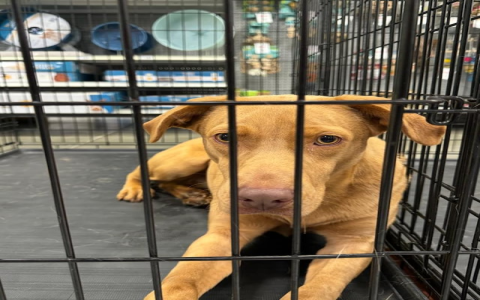
Adopting a puppy through in-store events hosted by large pet-supply chains has become a common path to pet ownership. These programs partner with local rescue groups to showcase adoptable dogs, giving animals greater visibility than a shelter alone might provide. This article explores how such retail adoption events influence both the shelters that supply the animals and the families who take them home, weighing the advantages and common hurdles reported by each side.
The Significance of Retail-Site Puppy Adoption
Benefits to Animal Shelters
Animal shelters play a crucial role in providing a safe haven for abandoned and stray animals. Retail adoption days have proven to be a valuable resource for shelters, offering several benefits:
1. Increased Adoption Rates
One of the primary advantages of retail adoption events is the potential increase in adoption rates. By setting up meet-and-greet areas inside busy stores, shelters can reach a wider audience, including individuals who might never visit a traditional adoption center. This expanded exposure often leads to more successful matches and a shorter average stay for the animals.
2. Financial Support
Partner stores frequently return a portion of the adoption fee to the rescue group or sponsor medical costs such as spay/neuter, vaccinations, and microchipping. These contributions free up shelter budgets for food, utilities, and emergency care, helping organizations remain financially stable.
3. Enhanced Public Awareness
The presence of adoptable animals in a high-traffic retail setting sparks conversations among shoppers. Staff and volunteers can hand out literature on responsible ownership, the benefits of adoption over purchasing, and the daily needs of local shelters, gradually shifting public attitudes toward rescue animals.
Benefits to Adopters
Adopting a puppy during a retail event offers numerous benefits to potential pet owners:
1. Access to a Wide Variety of Puppies
Because several rescue groups often participate in the same weekend event, adopters can meet puppies of many sizes, coat types, and energy levels in one location. This variety makes it easier to find a companion that fits the household’s lifestyle and living space.
2. Comprehensive Support
Stores typically provide starter booklets on house-training, nutrition, and socialization, and many offer coupons for follow-up vet visits, training classes, or pet supplies. Such resources smooth the transition period and reduce the likelihood of the puppy being returned.
3. Ethical Adoption Practices
Reputable events require participating rescues to meet strict welfare guidelines, including health checks and behavior assessments. By channeling adopters toward these screened animals, the events help reduce demand for commercially bred puppies and support responsible rescue efforts.

Challenges of Retail-Site Puppy Adoption
While retail adoption events have many benefits, they also present certain challenges:
1. Higher Visible Costs
Some adopters are surprised by adoption fees that appear steeper than those at a municipal shelter, largely because the rescue has already invested in veterinary care. For families on tight budgets, this upfront cost can be a deterrent even though it often saves money later.
2. Limited Availability of Certain Breeds
Popular breeds or size preferences may have waiting lists, and the next event might not include the type of dog a family hopes to meet. Unrealistic expectations fueled by social-media trends can lead to disappointment when the “perfect” puppy is not available that day.
3. Potential for Impulse Decisions
The festive atmosphere of a weekend adoption fair can encourage spur-of-the-moment choices. If a family has not fully considered exercise needs, landlord restrictions, or long-term expenses, the puppy may be returned to the shelter system, undermining the event’s goals.
Conclusion

In conclusion, retail-site puppy adoption has a significant impact on both shelters and adopters. While it offers greater visibility for homeless animals, financial relief for rescues, and convenient support services for new owners, it also introduces challenges such as higher visible fees, limited breed selection, and the risk of impulse placements. Thoughtful preparation by organizers, rescues, and adopters alike can maximize the benefits and minimize the drawbacks of these increasingly popular events.
Recommendations and Future Research
To further enhance the impact of retail adoption events, the following recommendations are proposed:
1. Strengthen Collaboration with Local Shelters
Stores should schedule regular planning meetings with rescue partners to balance the mix of puppies, ensure accurate behavioral descriptions, and share post-adoption follow-up data so that both parties can refine their practices.
2. Financial Assistance Programs

Offering on-site micro-grants or installment plans for qualified adopters can remove cost barriers without devaluing the animal. Partnerships with local veterinarians for discounted initial exams can also ease the financial transition.
3. Education and Awareness Campaigns
Pre-event social-media posts, live demonstrations on puppy care, and printed take-home guides can set realistic expectations and reduce returns. Emphasis should be placed on lifetime commitment, training, and the benefits of adopting slightly older dogs when appropriate.
Future research should focus on the long-term outcomes of retail adoption events, including retention rates one and five years after placement, the health and behavior of adopted puppies, and the sustainability of store-rescue partnerships. By addressing these areas, stakeholders can continue to improve the process for shelters, retailers, and—most importantly—the animals finding their forever homes.