


The Impact of a Neighborhood Animal Rescue on Welfare and Community Engagement
Introduction
A local animal-rescue group, rooted in a busy city neighborhood, serves as a steady source of care for pets and wildlife in need. Since its founding, the non-profit has worked to improve everyday conditions for animals and to encourage humane treatment. This overview looks at the group’s purpose, its place in the community, and the difference it makes through practical programs and forward-looking plans.
The Mission and Vision
The rescue was created to prevent cruelty, offer shelter to abandoned or injured animals, and promote kindness toward every living creature. The long-term vision is a community where people and animals support one another in safe, respectful ways. These guiding ideas shape every clinic, class, and outreach effort.
Programs and Services

Adoption Services
Healthy dogs, cats, rabbits, and small mammals are prepared for new homes through medical checks, vaccinations, microchipping, and spay or neuter surgery. Counselors speak with each adopter about lifestyle, experience, and expectations so that matches are thoughtful and lasting.
Spay and Neuter Programs
Affordable surgery clinics help limit unwanted litters and reduce future shelter intake. By working with nearby veterinary practices, the group keeps prices low and schedules convenient for busy families.
Education and Community Outreach
Interactive workshops, school visits, and online resources explain responsible pet care, the benefits of sterilization, and simple ways to report neglect. The goal is to build everyday habits that protect animals before problems start.
Emergency and Rescue Services
Trained volunteers answer calls about injured wildlife, lost pets, or suspected cruelty. Basic first aid, temporary shelter, and transport to qualified veterinarians are provided around the clock.
The Impact on Animal Welfare
By combining adoption, medical care, and prevention, the organization gives thousands of animals a second chance. Fewer stray births mean less overcrowding, while public education lowers rates of abandonment and mistreatment.
Statistics and Success Stories
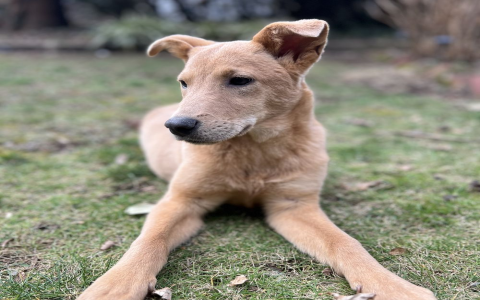
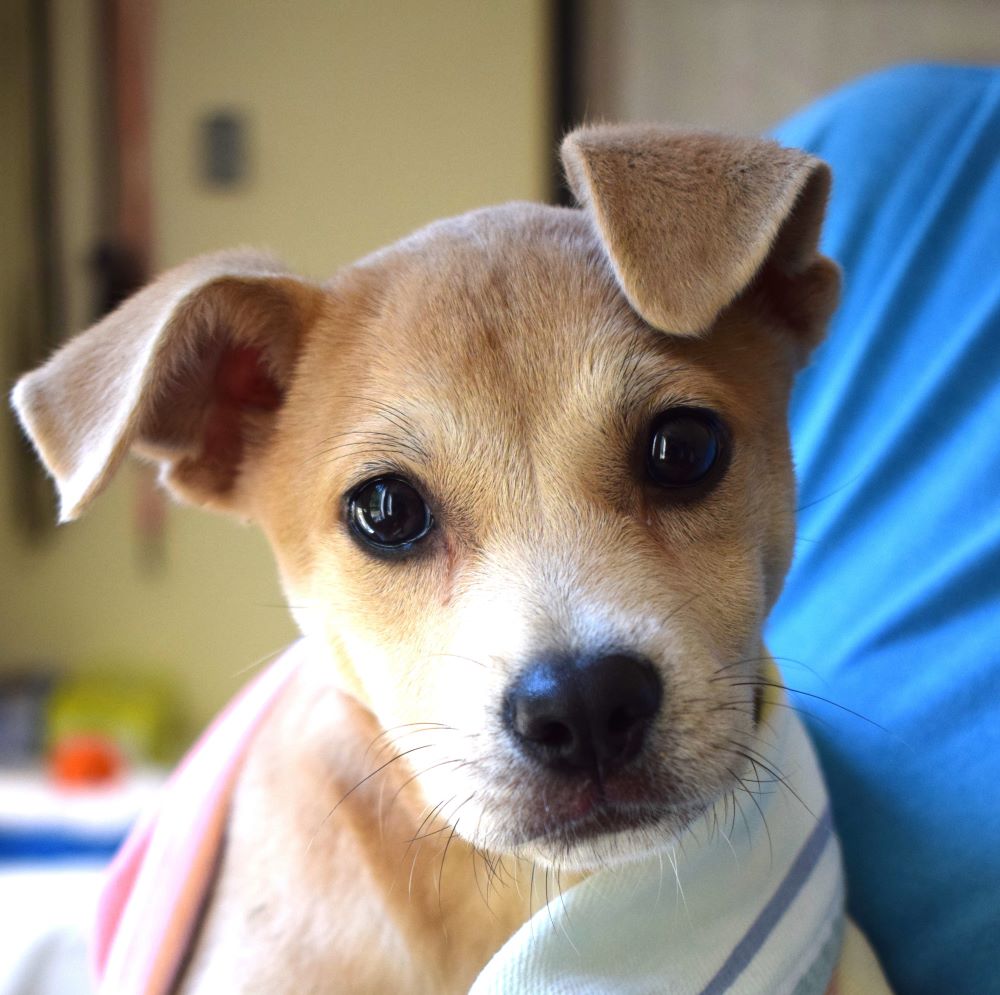
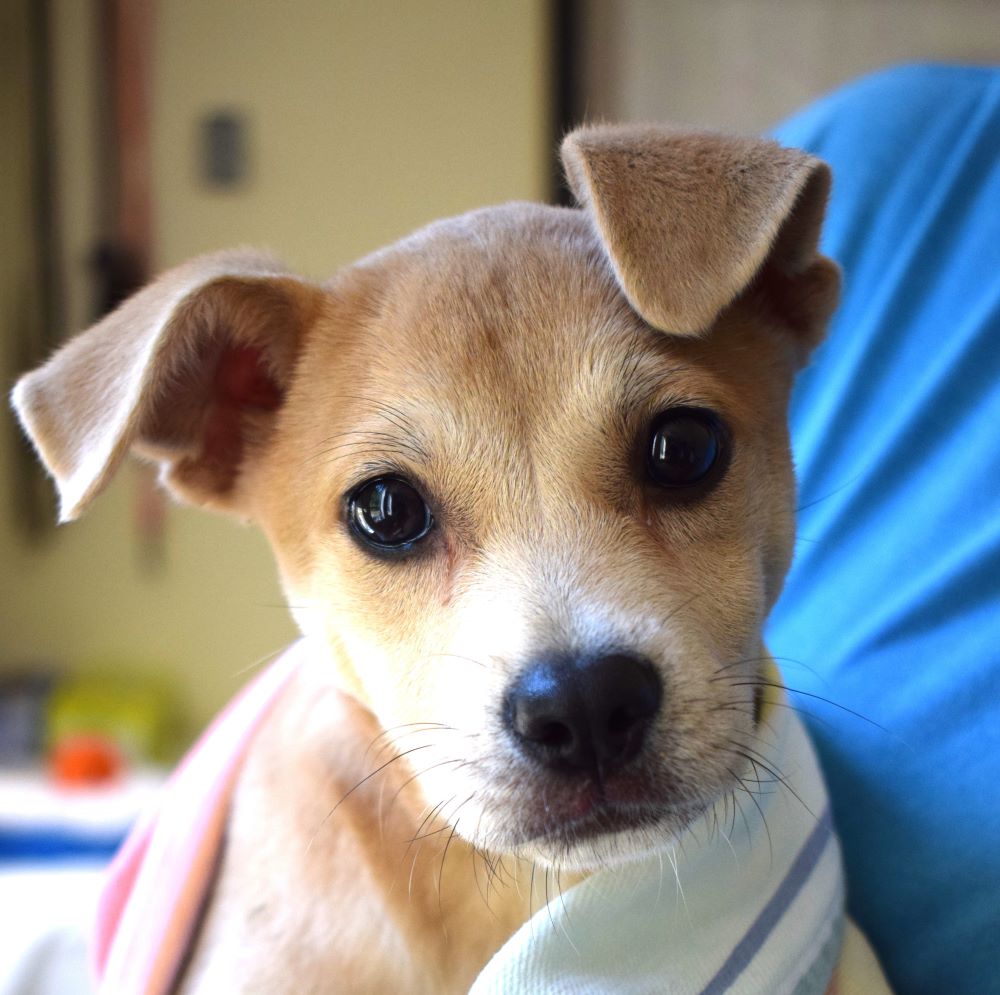
Since opening its doors, the rescue has helped find safe outcomes for a large number of animals. One recent case involved a shy terrier mix rescued from traffic with a fractured leg; after surgery and foster care, the dog now lives with an active family that reports daily walks and couch naps in equal measure.
The Role in Community Engagement
Beyond direct animal care, the group invites residents to take part in solutions. Neighborhood clean-ups, pet-food drives, and story-time readings at the shelter strengthen bonds among people who share streets, parks, and sidewalks.
Volunteer Opportunities
Morning dog walkers, evening cat socializers, event planners, and foster caregivers all contribute a few hours or several months. Each role is matched to individual skills, creating a reliable support network for the staff.
Partnerships and Collaborations
Local businesses donate supplies, artists host benefit shows, and city agencies coordinate on safe-trap programs. These joint efforts multiply resources and keep the message consistent across different audiences.
Challenges and Future Prospects
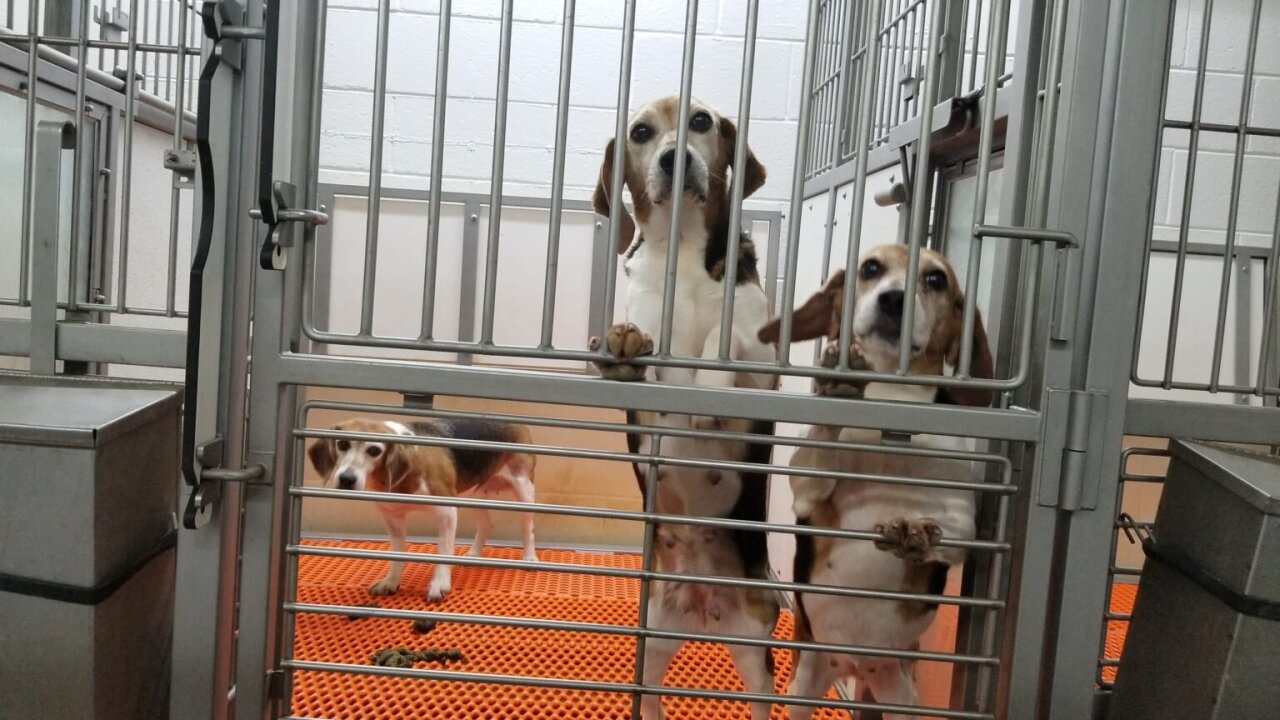
Rising medical costs, limited kennel space, and persistent cases of neglect test the team’s capacity. Still, creative fundraising, expanded foster networks, and digital outreach offer promising ways to meet growing needs.
Expansion and Innovation
Plans include a larger clinic wing, mobile surgery units for outlying blocks, and an app that streamlines lost-and-found alerts. Grants and community sponsorships are being pursued to turn concepts into everyday services.
Conclusion
The neighborhood rescue proves that steady, local action can change the future for animals and people alike. By welcoming volunteers, sharing knowledge, and adapting to new challenges, it continues to set an example of compassion in action.
Supporting such efforts—through donations, volunteer hours, or simply spreading the word—helps ensure that every pet has a safe bed and every wild creature a fighting chance. Together, communities can keep this cycle of care alive for generations to come.


