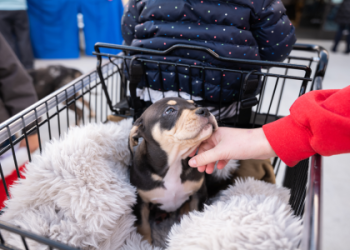
The Impact of Canine Fashion on Modern Society
Introduction
Dressing dogs in stylish apparel has moved from niche pastime to mainstream phenomenon, reshaping how people interact with pets and with one another. This article explores the many ways canine fashion influences social life, emotional well-being, and cultural values, while also weighing its broader consequences.
What Counts as Canine Fashion?
Canine fashion covers any decorative clothing, accessories, or grooming choices made purely for aesthetic reasons. From raincoats to holiday sweaters, these items are increasingly shared online, turning everyday walks into photo opportunities.
Social Dynamics and Canine Fashion
Outfits designed for dogs create new conversation starters at parks, cafés, and community events. Coordinated owner-and-dog looks often spark friendly exchanges, helping strangers bond over shared tastes or playful creativity.
Online groups dedicated to pet styling tips have also flourished, offering advice on everything from fabric comfort to color coordination. These spaces encourage collaboration, allowing owners to swap handmade items or recommend reliable brands.
Mental Health Benefits of Canine Fashion
Dressing a pet can be a mindful ritual that distracts from daily worries. Choosing soft, well-fitting garments, adjusting straps, and rewarding the dog with praise turns a simple task into a moment of calm focus for the owner.
Positive feedback—an admiring comment or a smile from a passer-by—can lift mood and reinforce a sense of community belonging. When the dog appears relaxed and the owner feels proud, both parties enjoy a small but meaningful emotional boost.
Cultural Significance of Canine Fashion
In many places, a stylishly outfitted dog signals attentive care rather than extravagance, reflecting values of responsibility and affection. Seasonal costumes for festivals or charity walks also weave pets into public celebrations, normalizing their presence in human social rituals.
Yet the trend sometimes sparks debate about priorities, especially when outfits seem designed more for viral photos than for animal comfort. These discussions encourage owners to balance creativity with the dog’s need for unrestricted movement and natural behavior.
The Environmental Impact of Canine Fashion
Mass-produced pet garments can add to textile waste and microfiber pollution. Fast-fashion cycles tempt owners to buy cheap items that quickly fray, ending up in landfill after only a few wears.
Choosing durable, repairable fabrics or second-hand pieces reduces this footprint. Some brands now offer take-back programs that recycle worn garments into insulation or stuffing, illustrating how style and sustainability can coexist.
Conclusion
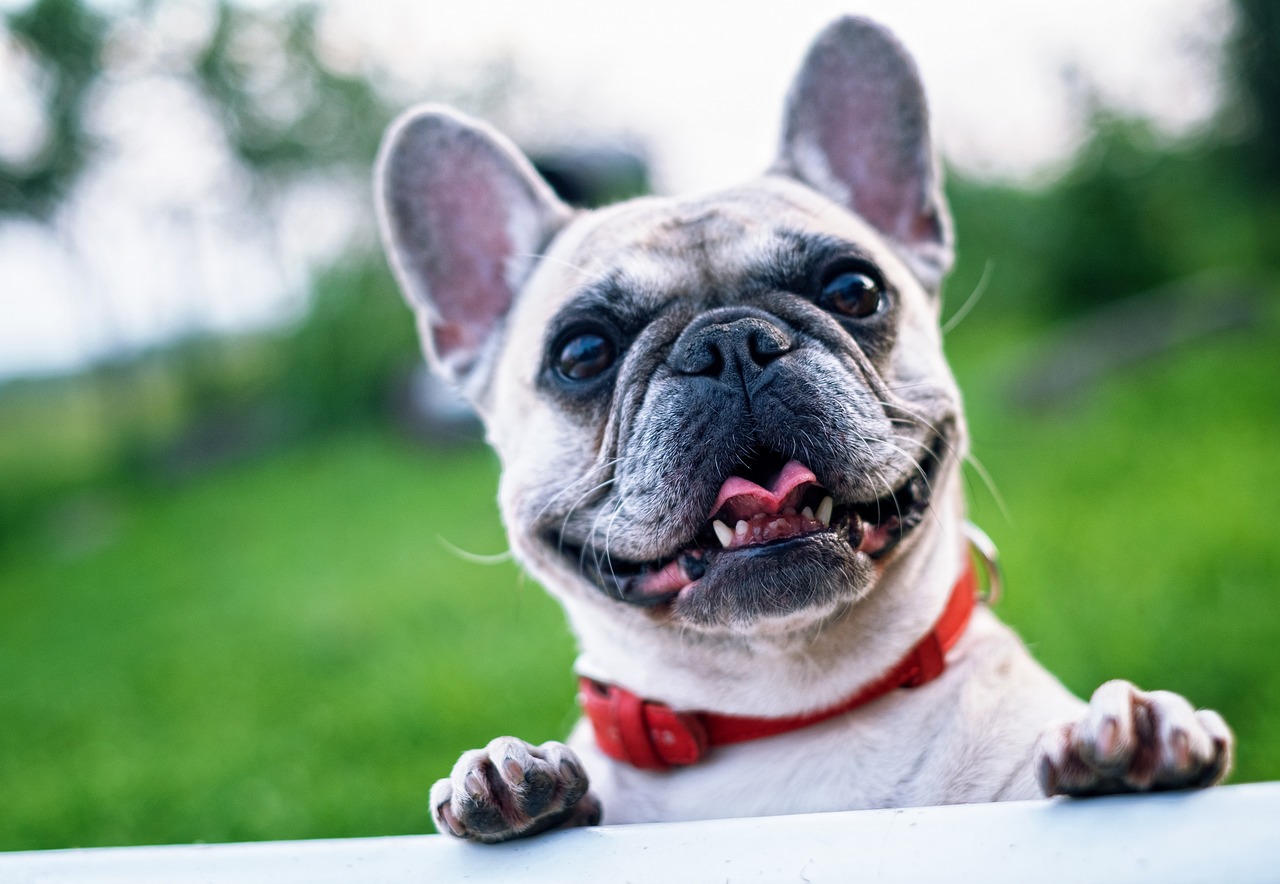
Canine fashion influences how people socialize, express care, and participate in cultural events, while also posing environmental questions. By favoring quality over quantity and keeping animal comfort foremost, owners can enjoy the trend’s bright side without overlooking its responsibilities.
Recommendations and Future Research
To support a healthier future for pet fashion, consider these steps:
1. Select timeless, well-made items that withstand repeated washing and wear.
2. Learn basic sewing skills to mend minor tears, extending each garment’s life.
3. Donate outgrown coats to shelters, where warmth matters more than style.
Researchers could also explore:
1. How durable design affects consumer behavior in the pet market.
2. Ways cultural attitudes toward animals shape acceptance of decorative apparel.
3. The potential for biodegradable fibers to reduce environmental impact without sacrificing comfort.
By combining thoughtful choices with ongoing study, canine fashion can remain a joyful, responsible part of contemporary life.