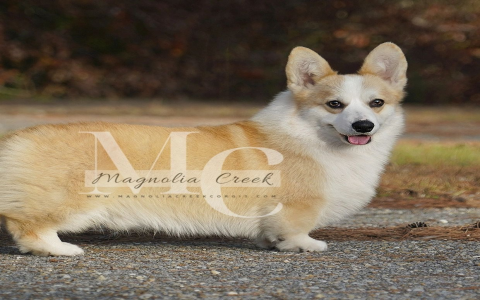
Title: The Endearing Appeal of Corgi Puppies: A Complete Guide
Introduction:
Corgi puppies have long been a favorite among dog lovers for their adorable looks and lively personalities. These bright, affectionate little dogs easily win hearts wherever they go. This guide offers an overview of the breed’s background, traits, and the value of ethical breeding, along with practical advice for anyone considering welcoming a Corgi into their home.
History of the Corgi Breed
The Corgi hails from Wales and has worked alongside farmers since at least the 11th century, herding cattle and guarding the homestead. Over the centuries the breed caught the attention of royalty, cementing its place as a beloved companion. Official recognition by major kennel clubs soon followed, helping the Corgi gain worldwide popularity.
Characteristics of Corgi Puppies
Corgi puppies are instantly recognizable: low-set bodies, large upright ears, and a foxy expression. The two main types are the Pembroke Welsh Corgi and the Cardigan Welsh Corgi. Key points to know:
1. Size: Adults stand roughly 10–12 inches tall and weigh 25–30 pounds, making them sturdy yet compact.

2. Intelligence: Quick learners, Corgis excel in obedience and enjoy mental challenges.
3. Energy: Daily walks and play sessions keep their active minds and bodies satisfied.
4. Temperament: Friendly and outgoing, they usually get along well with children, other dogs, and visitors.
5. Health: Generally robust, the breed can be prone to hip concerns and progressive spinal issues, so health screening is important.
Importance of Responsible Breeding
Ethical breeders safeguard the future of the Corgi by prioritizing health, temperament, and genetic diversity. Responsible practices include:
1. Health Testing: Breeding stock is screened for hereditary conditions before mating.

2. Optimal Care: Dogs receive balanced nutrition, regular exercise, and routine veterinary attention.
3. Temperament Selection: Only dogs with stable, friendly temperaments are chosen for breeding.
4. Early Socialization: Puppies are introduced to varied sights, sounds, and people to build confidence.
Benefits of Owning a Corgi Puppy
Sharing life with a Corgi can enrich your daily routine in many ways:
1. Loyal Companionship: Corgis form strong bonds and love being part of family activities.
2. Active Lifestyle: Their exercise needs encourage owners to stay fit and enjoy the outdoors.

3. Watchful Nature: Alert barking makes them effective little watchdogs.
4. Therapeutic Presence: Their cheerful demeanor can lift spirits and provide comfort.
5. Daily Entertainment: Playful antics and comical expressions keep households smiling.
How to Choose a Corgi Puppy
When searching for a puppy, keep these guidelines in mind:
1. Breeder Reputation: Look for breeders who welcome questions, offer references, and raise puppies in a home environment.
2. Health Documentation: Request proof of vaccinations, deworming, and parental health clearances.

3. Socialization Signs: Puppies should be curious, not fearful, when encountering new people and objects.
4. Meet the Parents: Observing the mother’s temperament gives insight into how puppies may behave as adults.
5. Fair Pricing: Avoid deals that seem too cheap; they can indicate poor welfare standards.
Conclusion
Corgi puppies make delightful, devoted companions for households ready to provide training, exercise, and affection. By learning about the breed’s needs and selecting a responsible source, you set the stage for a rewarding friendship. With consistent care, a Corgi will reward you with years of loyalty, laughter, and love.
In short, the enduring charm of Corgi puppies lies in their spirited personality, manageable size, and unwavering devotion. Follow the steps above, and you’ll be well on your way to sharing your life with a healthy, happy new family member.