


The Impact of Thoughtful Pet Care on Modern Ownership and Well-being
Introduction
Across neighborhoods and cities, companion animals have moved from the backyard to the heart of the home. Alongside this shift, a wave of thoughtfully designed toys, foods, and services has appeared, promising to make life richer for both pets and people. This article explores how these innovations are reshaping everyday ownership, strengthening bonds, and prompting the wider pet sector to rethink what “care” really means.
What Defines Thoughtful Pet Care?
At its core, thoughtful pet care is an ecosystem of products and experiences created with animal welfare and human convenience in mind. It covers enrichment toys that encourage natural instincts, grooming items that reduce stress, and travel solutions that keep companions safe on the move. The unifying theme is a focus on physical health, mental stimulation, and emotional connection.
The Benefits of a Holistic Approach

1. Improved Pet Health and Happiness
Interactive feeders, puzzle toys, and age-appropriate exercise gear keep bodies active and minds busy. Regular stimulation lowers boredom-related behaviors, supports healthy weight, and can even extend lifespan by reducing common stress-related ailments.
2. Enhanced Owner-Animal Bond
When owners choose gear that invites play or calm grooming sessions, daily routines turn into shared rituals. These small moments build trust, deepen empathy, and create a feedback loop of positive attention that benefits both ends of the leash.
3. Increased Pet Industry Growth
Demand for higher-quality items has expanded market segments—from artisanal treats to subscription boxes—spurring new jobs, small businesses, and creative start-ups that keep the economy vibrant.

Challenges and Concerns
1. Overconsumption and Waste
More products can mean more packaging, short-lived gadgets, and toys that end up in landfill. The convenience of one-click ordering sometimes outpaces the planet’s ability to absorb the leftovers.
2. Quality Control
Rapid growth attracts entrants eager for quick wins. Without rigorous testing, items can break easily or contain materials that irritate skin, creating safety risks and eroding consumer trust.
The Role of Responsible Brands in Addressing These Challenges
1. Sustainable Practices
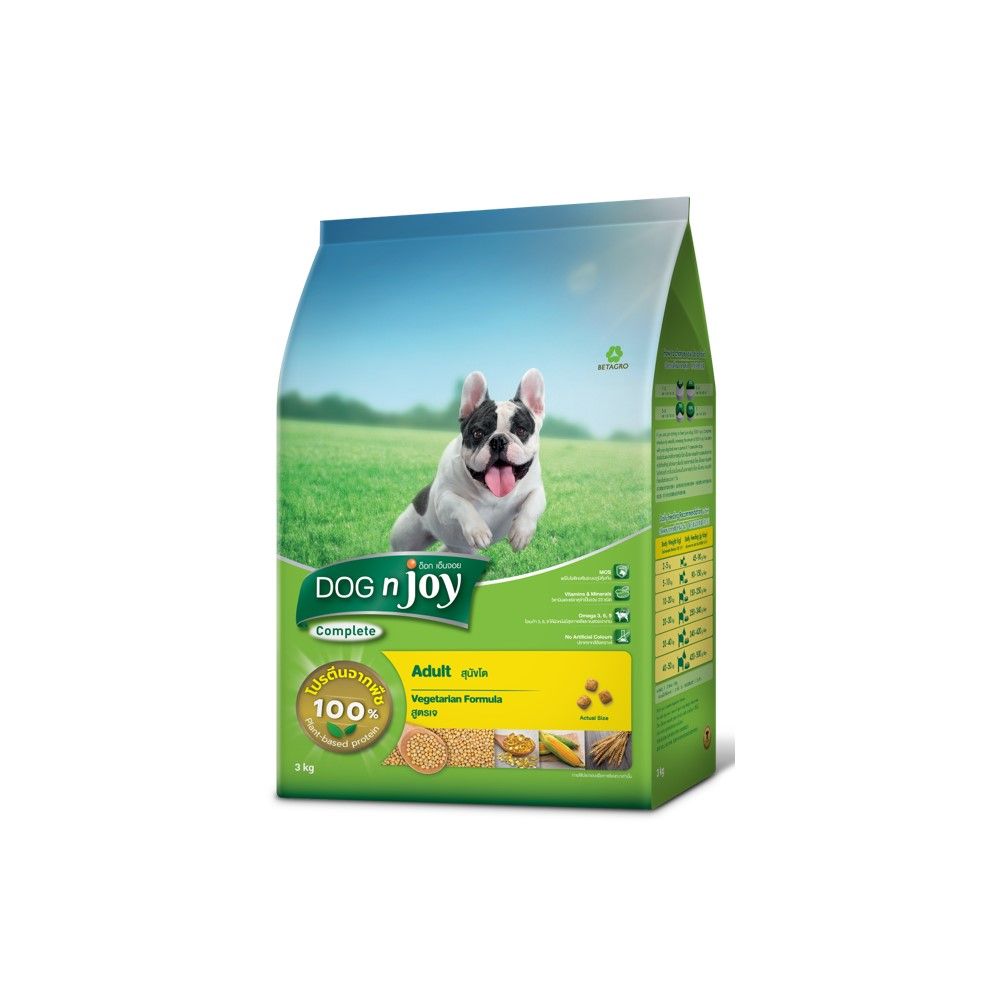
Forward-looking companies now favor recycled fabrics, biodegradable packaging, and refill stations that cut down on single-use plastics. Some even offer repair or take-back programs that extend product life cycles.
2. Quality Assurance
Third-party inspections, transparent ingredient lists, and open customer feedback channels help ensure that every toy, treat, or travel carrier meets strict safety benchmarks before it reaches a living-room floor.
The Broader Implications of Ethical Innovation
1. Shifting Consumer Preferences
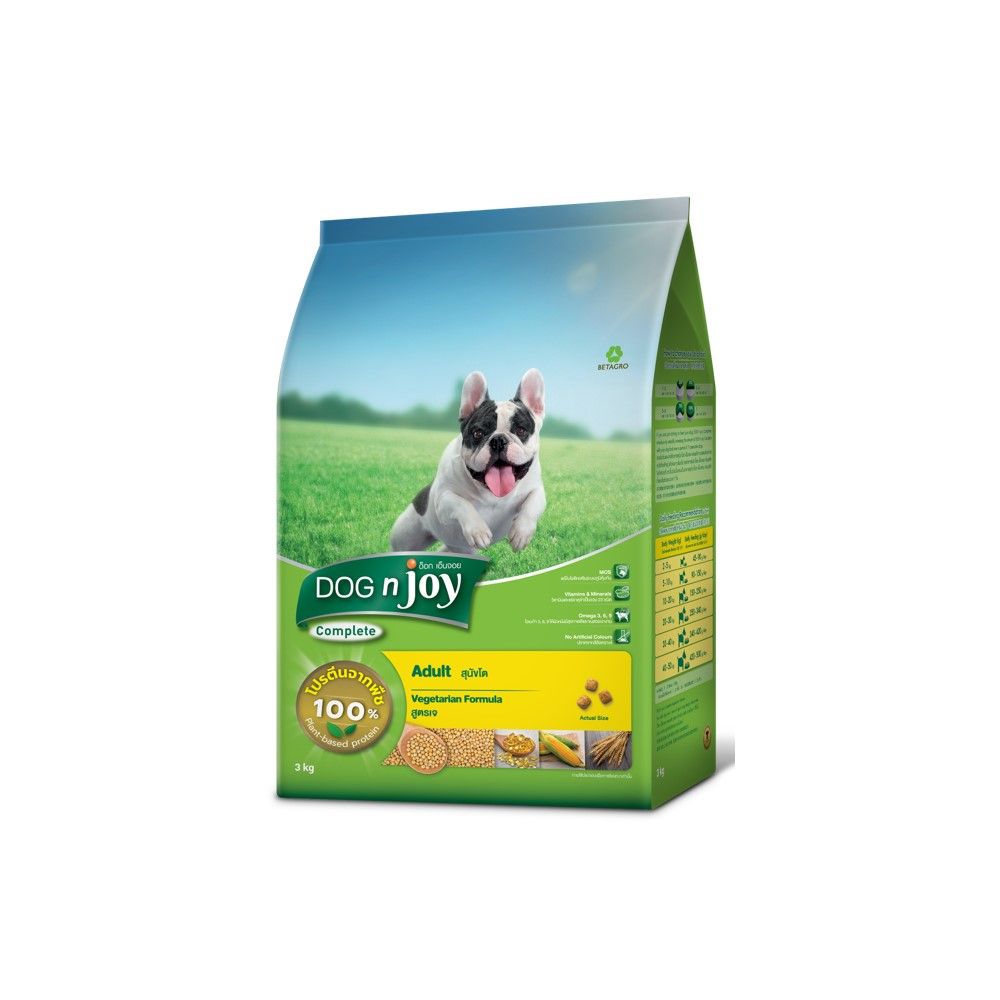
Buyers increasingly ask, “Is it safe, durable, and gentle on the planet?” This mindset pushes the entire supply chain toward greener chemistry, fair labor, and cruelty-free testing.
2. Industry Innovation
Competition to win conscious shoppers sparks breakthroughs—think compostable poop bags, smart feeders that reduce food waste, and apps that match local pet-sitters, cutting travel emissions.
Conclusion
By blending scientific insight with a respect for the human-animal bond, today’s pet-care innovators are setting a new standard that prizes health, happiness, and sustainability. The journey is not without bumps, yet each eco-friendly material choice and each rigorously tested toy moves the industry closer to a future where every wag, purr, or chirp is supported by products that care as much as we do.
Recommendations and Future Research

To keep the momentum going, stakeholders can focus on three areas:
1. Continued Focus on Sustainability: Invest in renewable materials and closed-loop systems that turn old toys into new ones.
2. Education and Awareness: Share simple guides that help owners choose durable items, recycle correctly, and recognize quality labels.
3. Research and Development: Support studies on long-term enrichment benefits, the environmental paw-print of diets, and tech that monitors pet health without invading privacy.
By following these steps, brands, consumers, and researchers can co-create a future where companionship thrives alongside a healthier planet.


