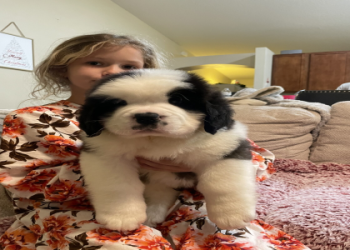
Title: Understanding the Sheepadoodle Price: Factors, Market Dynamics, and Future Trends
Introduction
The sheepadoodle, a cross between the Old English Sheepdog and the Poodle, has become a favorite companion for families seeking a smart, low-shedding dog. Before bringing one home, most prospective owners ask about the typical cost. This overview explores the main elements that shape pricing, how market forces operate, and what may lie ahead for buyers and breeders.
Factors Influencing Sheepadoodle Price
Several variables can push the price of a single puppy higher or lower. The most common considerations are outlined below.
1. Breeder Reputation and Experience
Established breeders who prioritize health testing, early socialization, and lifelong support usually set higher fees. Their investment in veterinary care, quality food, and enrichment activities is reflected in the final price.
2. Bloodline and Pedigree
Puppies whose parents have documented health clearances and proven temperaments often command premium rates. First-generation crosses from purebred parents may also cost more than later-generation litters.
3. Coat Type and Color
Curly, hypoallergenic coats and less common shades—such as parti-color or merle—tend to attract extra attention, nudging prices upward.

4. Size and Temperament
Medium or standard-size pups that display calm, trainable personalities are especially popular with families, which can translate into higher asking prices.
Market Dynamics
Like any product driven by consumer demand, sheepadoodle pricing fluctuates according to broader market conditions.
1. Supply and Demand
When waiting lists outnumber available litters, prices rise. If regional supply increases, buyers may find more room to negotiate.
2. Seasonal Trends
Interest often spikes in spring and late autumn, when families plan around school holidays. Expect modest premiums during these peak periods.
3. Geographic Location
Urban centers with limited space for breeding kennels frequently show higher price tags than rural areas where overhead costs are lower.
Future Trends
Looking forward, a handful of developments could reshape the cost landscape.

1. Genetic Research
Better screening for heritable conditions may reduce future vet bills, making well-tested puppies more valuable despite higher upfront fees.
2. Increased Popularity
Social media exposure continues to fuel demand; unless breeding volume rises in step, prices are likely to remain firm or drift higher.
3. Market Saturation
If large-scale breeding expands rapidly, competition could level prices. For now, demand growth appears to outpace supply, so significant drops seem unlikely in the short term.
Conclusion
Sheepadoodle pricing reflects a mix of breeder practices, puppy attributes, and market momentum. By researching breeders, comparing health guarantees, and timing their search wisely, buyers can secure a healthy companion at a fair rate. Staying alert to industry trends will help both new and seasoned owners navigate the evolving marketplace.
Note: This article offers general guidance, not professional financial or veterinary advice. Prospective owners should speak directly with qualified breeders and veterinarians for personalized recommendations.