Title: The Bichon Frise Corgi Mix: A Friendly Companion Guide
Introduction:
The Bichon Frise Corgi mix, often called the Bichon Corgi, has become increasingly popular thanks to its cheerful look and affectionate personality. This crossbreed blends the playful charm of the Bichon Frise with the sturdy intelligence of the Corgi, creating a lovable family dog. In this overview we explore the mix’s background, appearance, health considerations, and training tips to help prospective owners decide if this upbeat hybrid suits their home.
History and Origin
Deliberate crossings of Bichon Frise and Corgi began several decades ago, most likely in North America, with the goal of producing a small, sociable pet that retained the low-shed coat of the Bichon and the alert nature of the Corgi. The Bichon side descends from ancient Mediterranean lap dogs, while the Corgi lineage traces back to Welsh herding stock prized for agility and loyalty.
Characteristics
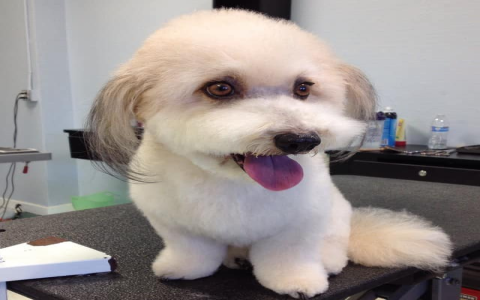
The blend usually inherits a rounded head, expressive eyes, and a tail that may curl over the back or stay slightly low. Key points include:
– Coat: Medium-length, dense, and often wavy; common shades are cream, white, tan, or tri-color patches.

– Size: Adults stand roughly 10–12 inches at the shoulder and weigh 15–30 pounds, fitting comfortably into most living spaces.
– Temperament: Outgoing, people-oriented, and quick to bond with children or other pets; they thrive on companionship and dislike being left alone for long stretches.
– Energy Level: Moderate to high; brisk walks and interactive play keep them balanced and prevent nuisance barking.
Health Concerns
Mixed breeds can still inherit conditions seen in either parent. Watch for:
– Joint issues such as hip dysplasia or luxating patella; maintaining lean body weight reduces stress on developing bones.
– Allergies that manifest as itchy skin or ear infections; regular grooming and a balanced diet help minimize flare-ups.

– Back sensitivity because of the Corgi’s long spine; discourage repetitive jumping from heights.
Scheduled vet visits, dental care, and appropriate exercise remain the best safeguards.
Training and Exercise
Smart and food-motivated, these dogs pick up cues quickly when lessons are short and upbeat. Recommended practices:
– Early socialization: introduce puppies to varied sights, sounds, and friendly dogs to build confidence.
– Daily movement: two brisk 15-minute walks plus fetch or scent games satisfy their need for activity.
– Mental enrichment: treat puzzles, basic agility, or trick training prevent boredom and curb unwanted behaviors like digging or excessive barking.

Conclusion
The Bichon Corgi mix offers a portable size, cheerful demeanor, and adaptability to apartment or house life. With consistent grooming, moderate exercise, and positive training, this hybrid can be a joyful, long-lived companion for first-time owners and seasoned dog lovers alike.
Understanding their potential health risks and committing to daily engagement will ensure the dog remains a well-mannered member of the family. Continued owner education and responsible breeding practices will keep future generations as healthy and happy as the first intentional crosses.
Recommendations and Future Research
Areas that could benefit owners and veterinarians include:
– Larger health surveys to track prevalence of orthopedic and allergic conditions in the cross.
– Guidance on optimal nutrition and calorie intake for small, active dogs with prone joints.
– Studies on behavioral traits to refine reward-based training methods tailored to this mix’s sensitivity and intelligence.

– Exploration of coat genetics to help breeders predict shedding levels and grooming needs.
Collecting such data will support evidence-based care and promote the Bichon Corgi mix as a robust, delightful pet for years to come.