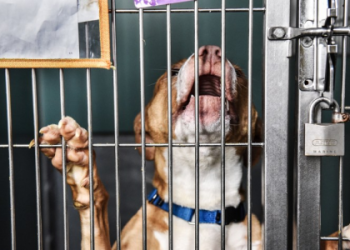
Lost Dog Nearby: A Complete Guide to Reuniting a Wanderer with Family
Introduction
Spotting a lost dog in your neighborhood can stir worry and urgency in equal measure. For anyone who loves animals, seeing a confused canine trot past is a call to action. This guide walks you through simple, effective steps you can take the moment you realize a dog is separated from its home.
The Importance of Immediate Action
Every minute counts. A dog that keeps moving can travel farther, encounter traffic, or become too frightened to approach people. Acting quickly keeps the search area small and the dog safer.
Quick Response
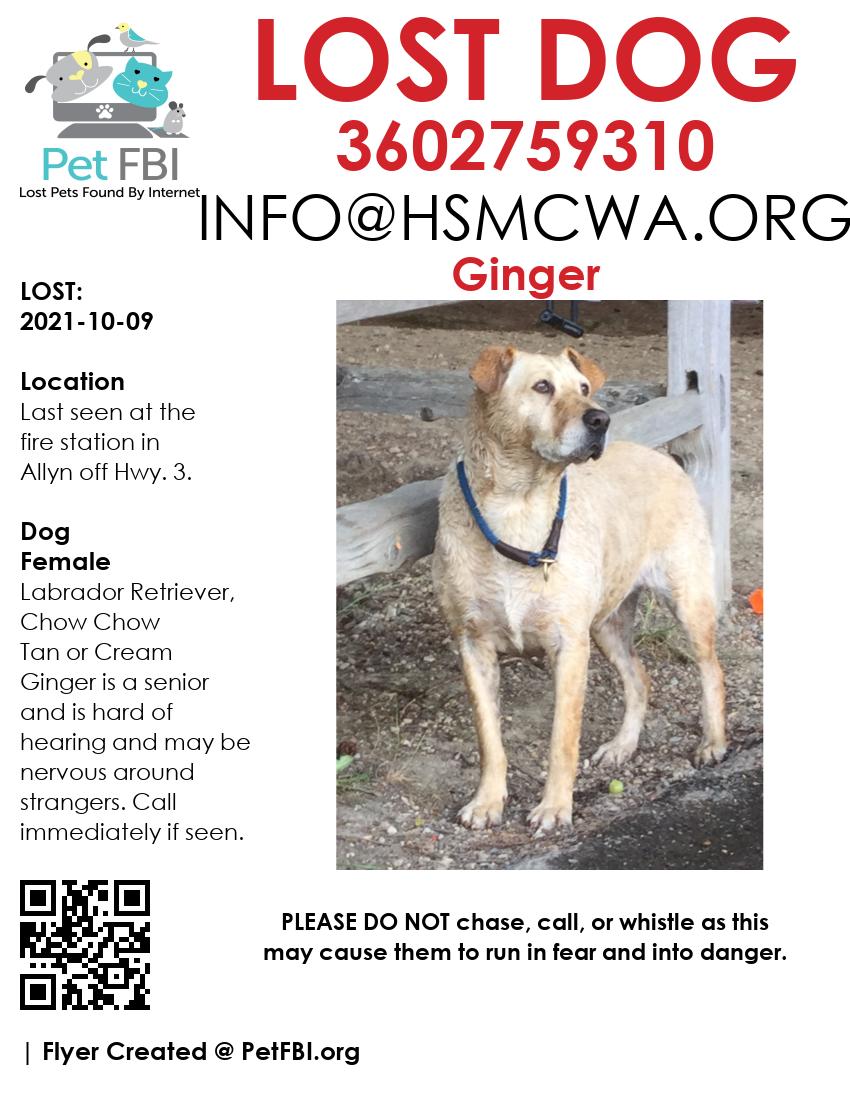
Experience shows that pets reported within the first two days have a far higher chance of going home again, so don’t wait to see if the animal finds its own way back.
Steps to Take When You Find a Lost Dog
1. Secure the Dog
If the dog is willing, guide it away from roads or loud construction. Keep your own safety in mind; a panicked animal may bolt or nip. Speak calmly, offer water, and use a leash, belt, or length of cloth as a temporary lead.
2. Check for Identification
Look for a collar tag or a tiny tattoo inside the ear. Many clinics and shelters can scan for a microchip at no charge, so a quick stop can reveal the guardian’s details within minutes.
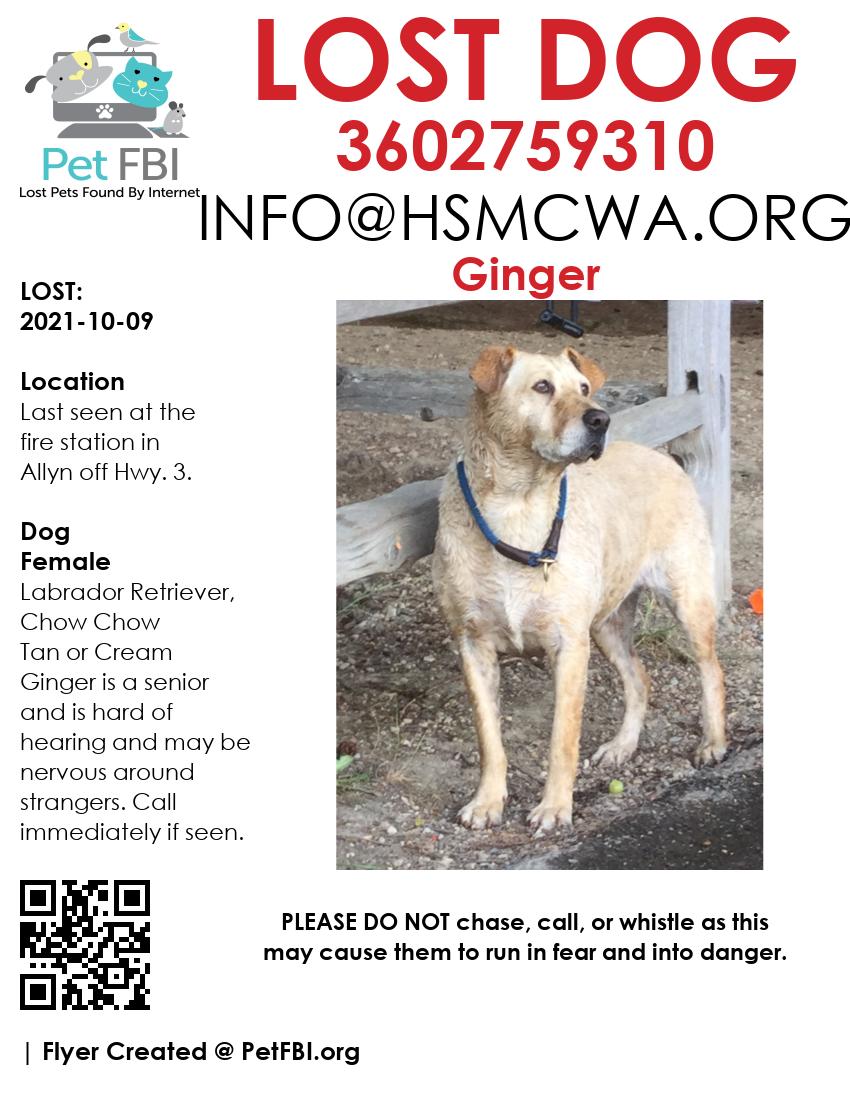
3. Report the Found Dog
Phone the nearest shelter, the local non-emergency police line, and any neighborhood groups that keep lost-and-found lists. Provide coat color, approximate weight, breed mix, and the exact intersection where you first saw the dog.
4. Use Social Media
Post a clear photo on community pages, adding cross-streets and the time the dog was found. Leave a simple way for the owner to reach you—many people prefer a direct message rather than a public comment thread.
Resources for Finding a Lost Dog
1. Local Animal Shelters
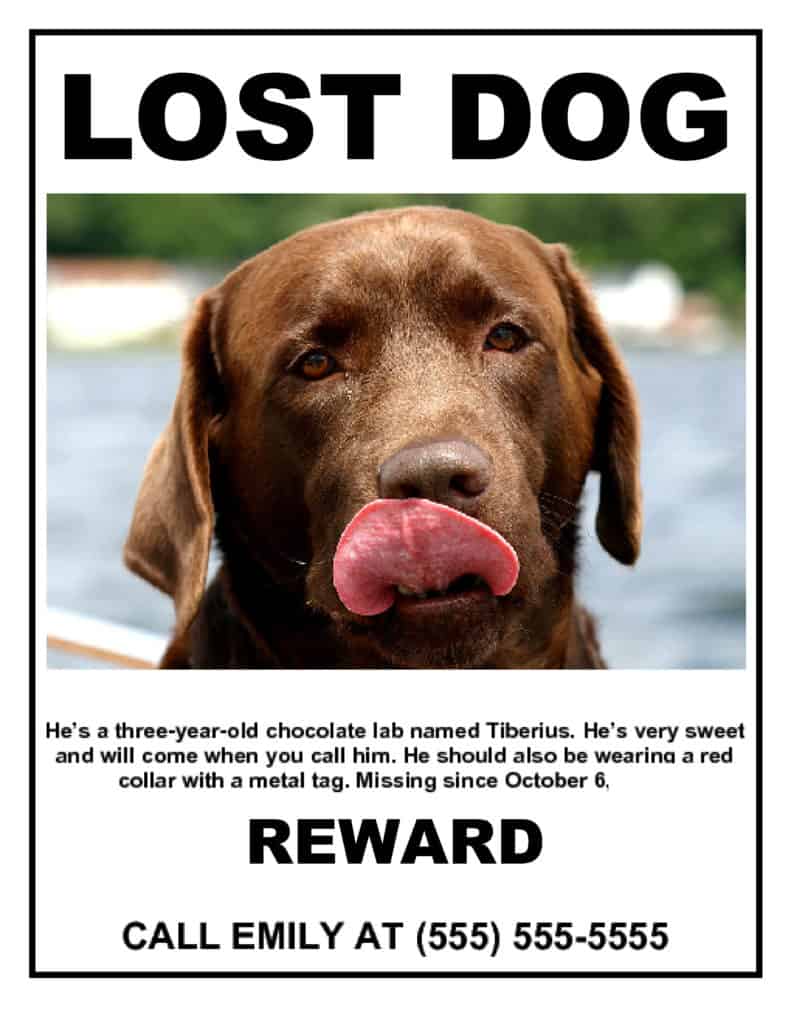
Shelters maintain updated logs of both missing and found pets. Even if you plan to hold the dog overnight, filing a report creates a match if the owner calls the same facility.
2. Online Platforms
National databases and neighborhood apps allow you to upload pictures and receive alerts when someone searches for a similar pet. Remember to remove the post once the dog is home.
3. Local Community Groups
Volunteer rescue networks often share sightings within minutes. A single forwarded message can reach hundreds of nearby households during the evening walk window.
The Role of Microchipping
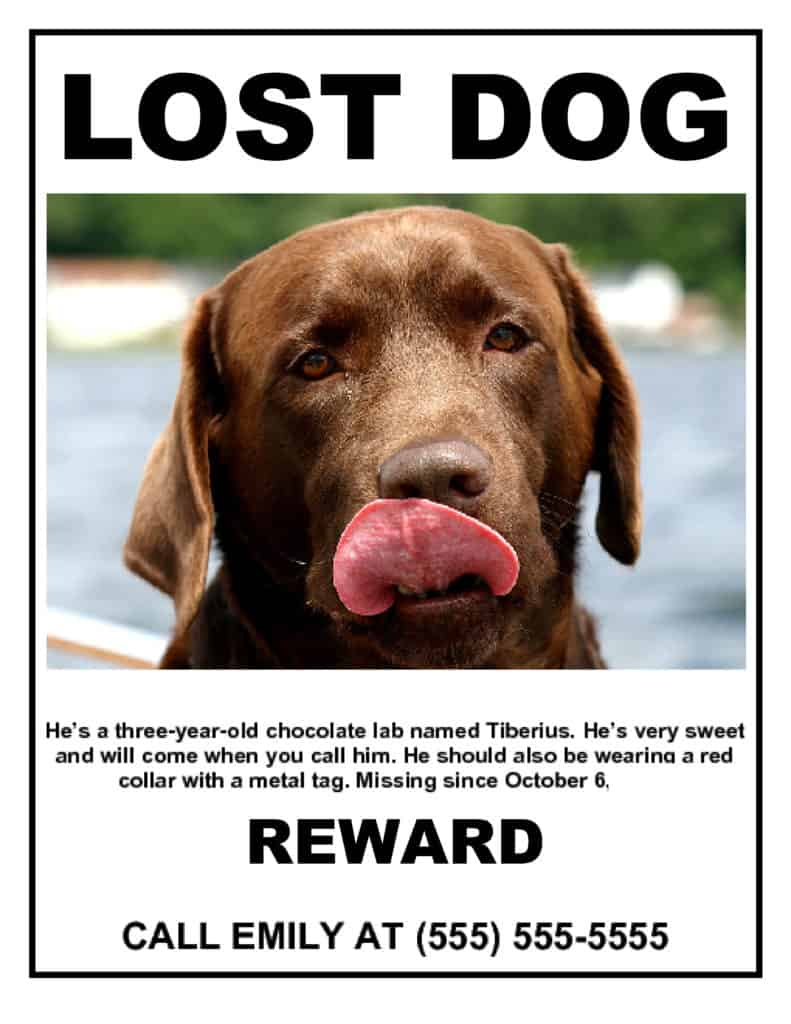
A chip the size of a grain of rice, injected under the skin, stores a unique code linked to the owner’s contact information. Shelters routinely scan new arrivals, making microchips the fastest ticket home.
Benefits of Microchipping
– Immediate Identification: A scanner provides a phone number or registry name in seconds, even if the collar is gone.
– Reduced Risk of Relocation: Facilities rarely place animals up for adoption until they confirm no chip is present.
– Cost-Effective: A one-time fee at a routine vet visit can prevent weeks of searching and flyers.
Conclusion
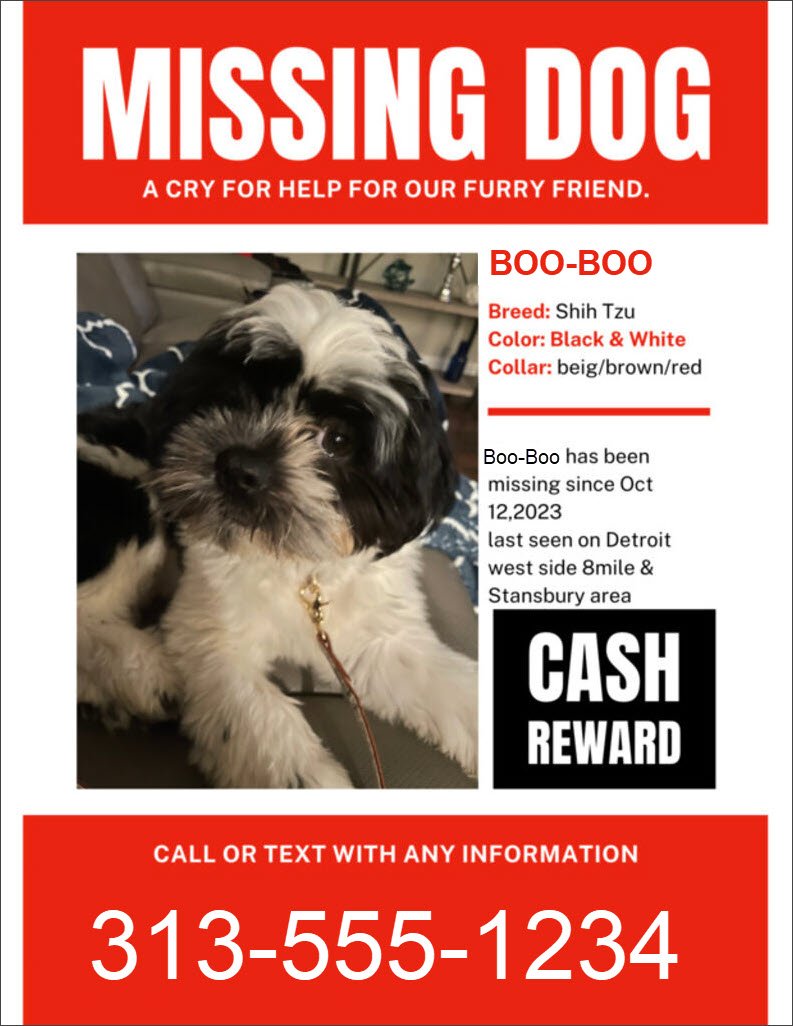
Helping a lost dog is often easier than it first appears. By staying calm, securing the animal, and tapping local and online resources, you turn a stressful moment into a happy reunion. Encourage every pet owner you know to keep tags current and chips registered; the next dog you meet might already be on its way home thanks to those simple precautions.
Recommendations and Future Research
To make reunions even smoother, communities can:
– Host free microchip clinics and tag-engraving events at farmers’ markets or schools.
– Create a single, easy-to-remember web address where all found pets in the city are displayed.
– Explore lightweight GPS collars that send a phone alert the moment a dog leaves a designated yard.
Continued study into which outreach methods return the most pets, and how technology can shrink search time, will ensure fewer families endure long, anxious nights apart from their four-legged companions.