Pug vs Boston Terrier: A Friendly Guide
Introduction
Pugs and Boston Terriers are two small, charming breeds that win hearts wherever they go. Each has its own look, personality, and care needs. This quick guide walks you through the main similarities and differences so you can decide which companion might fit your home best.
Appearance
Pug
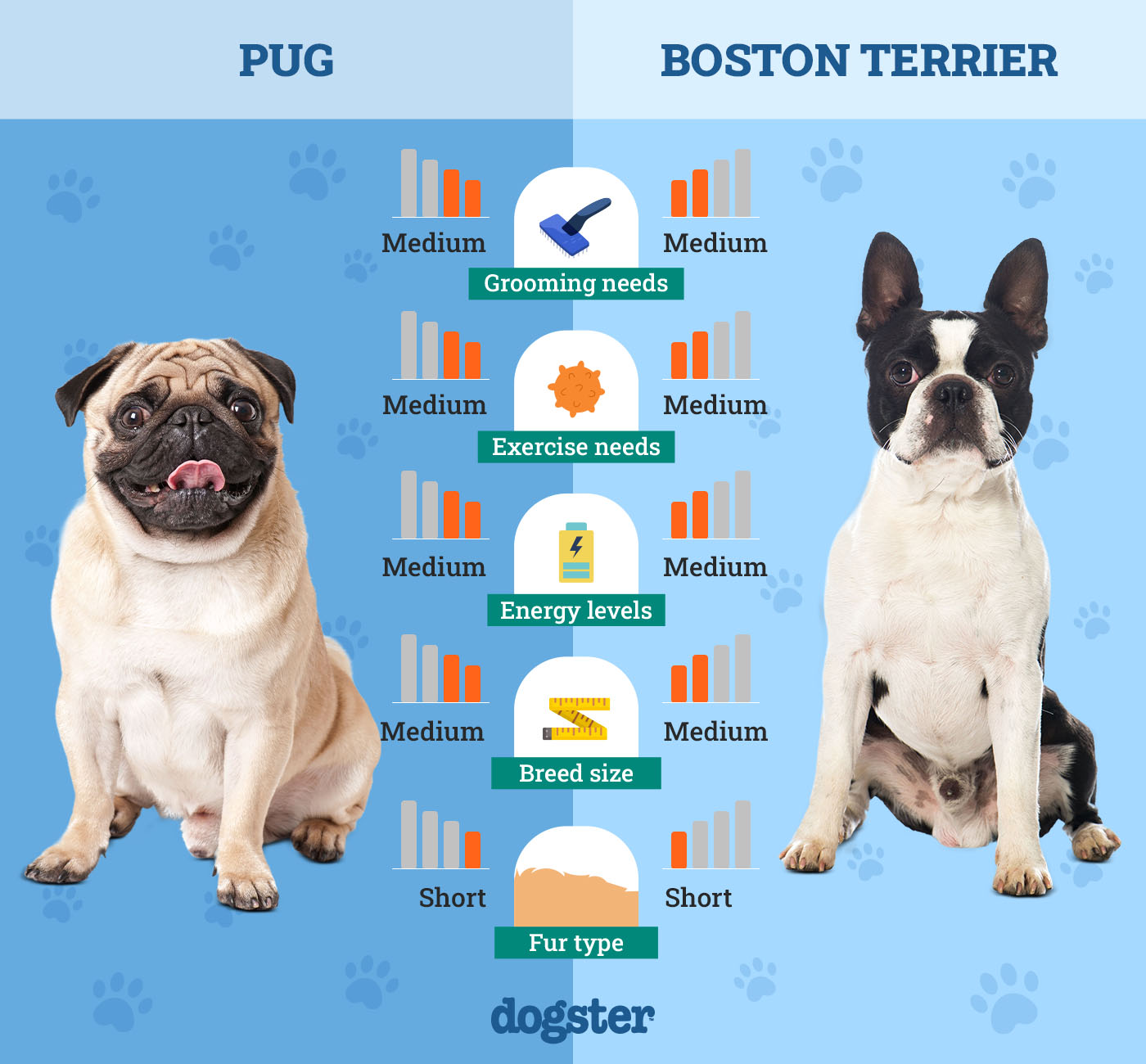
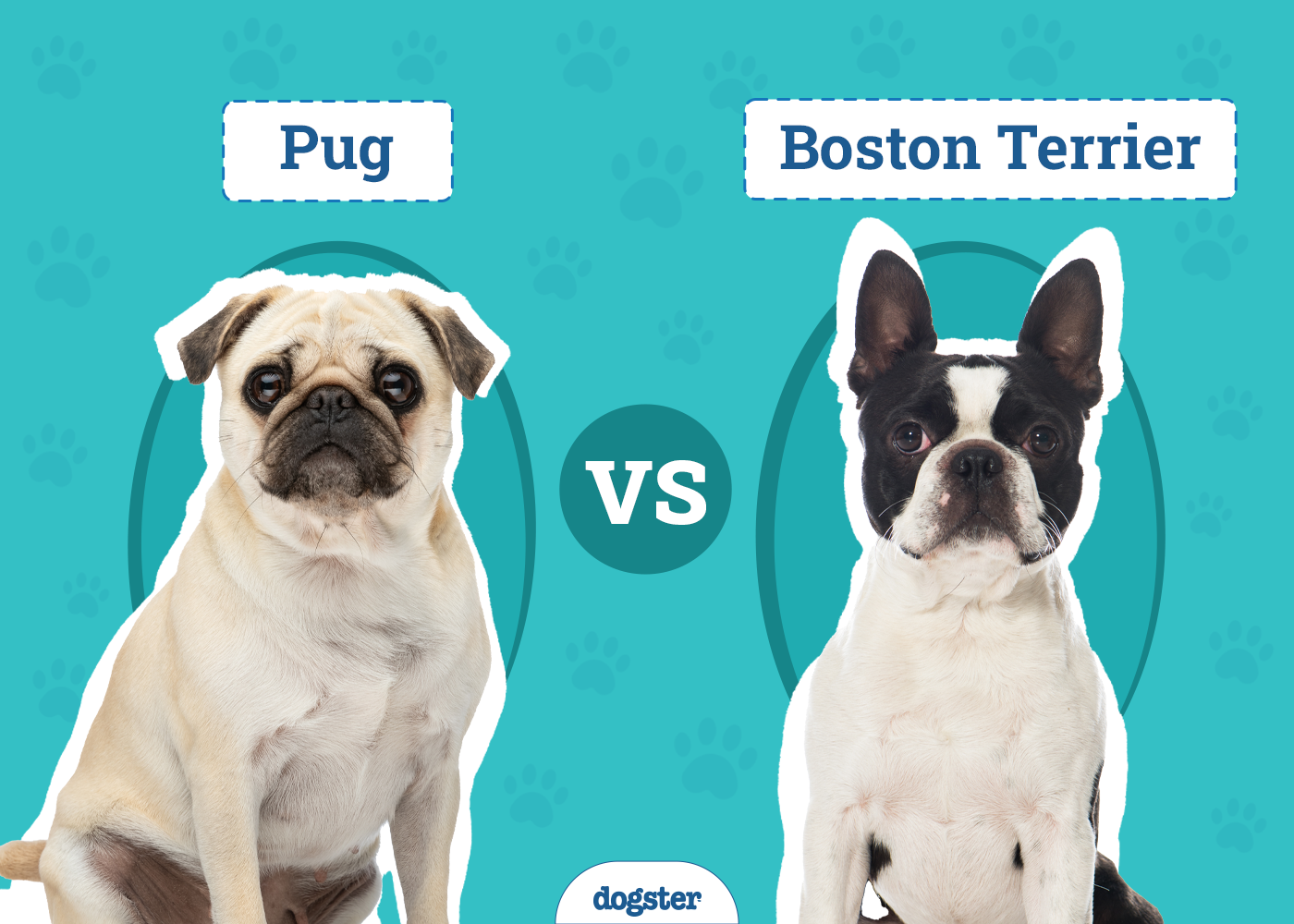
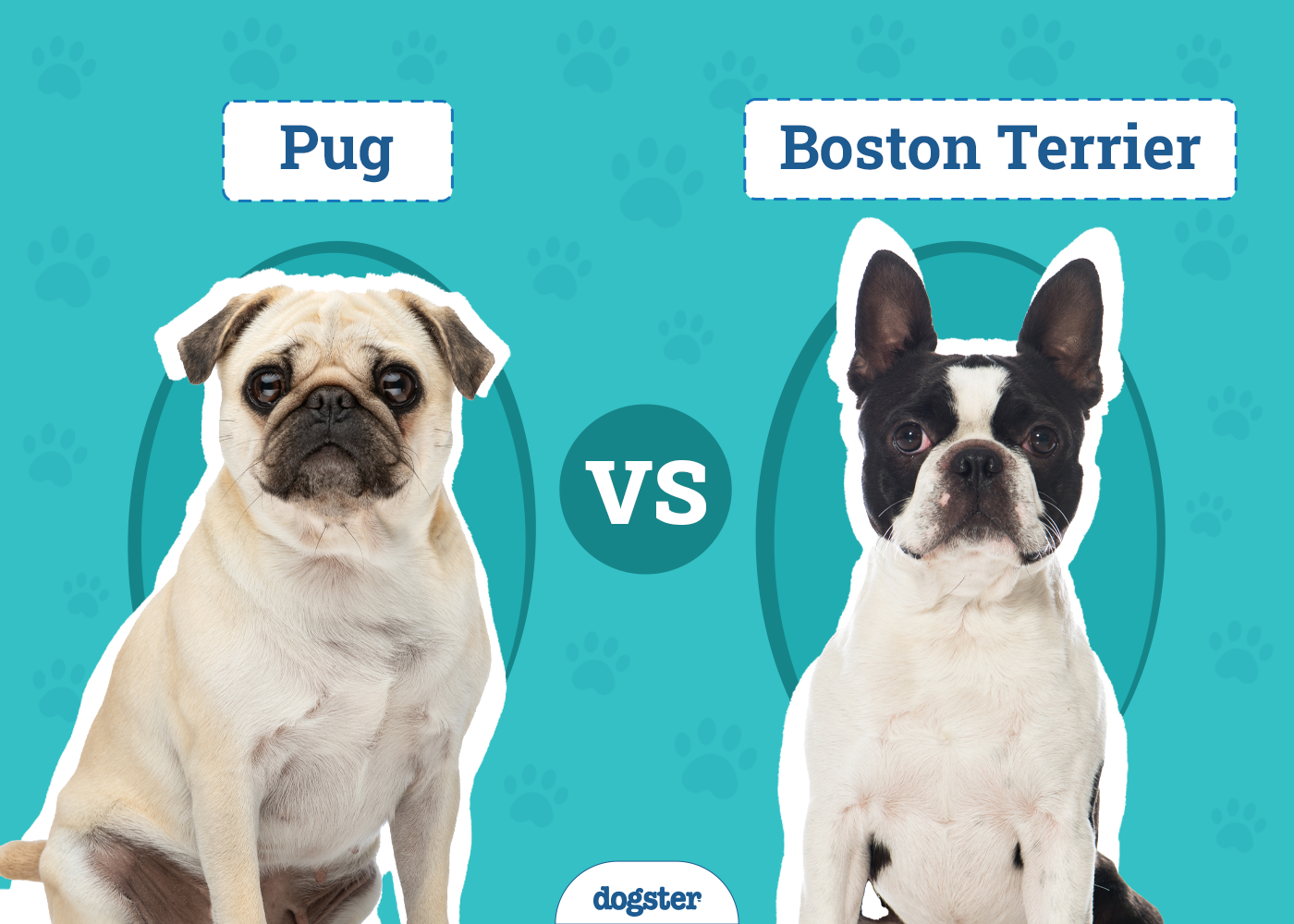
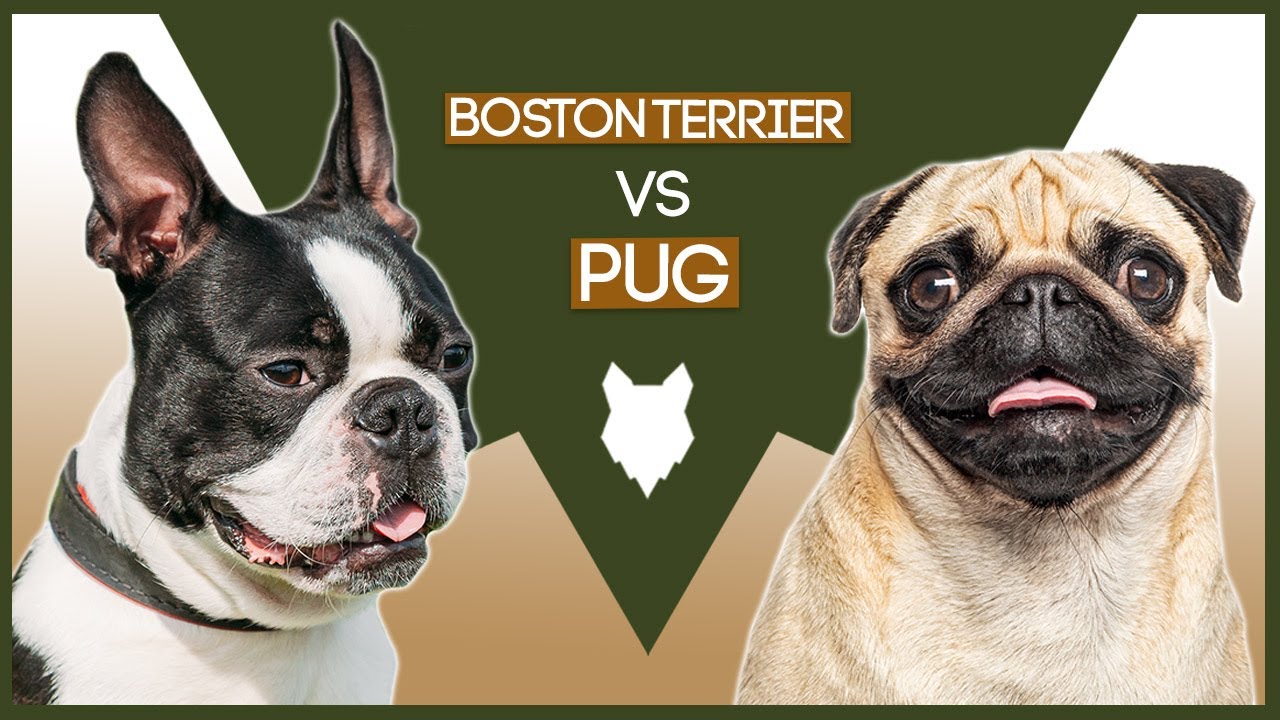
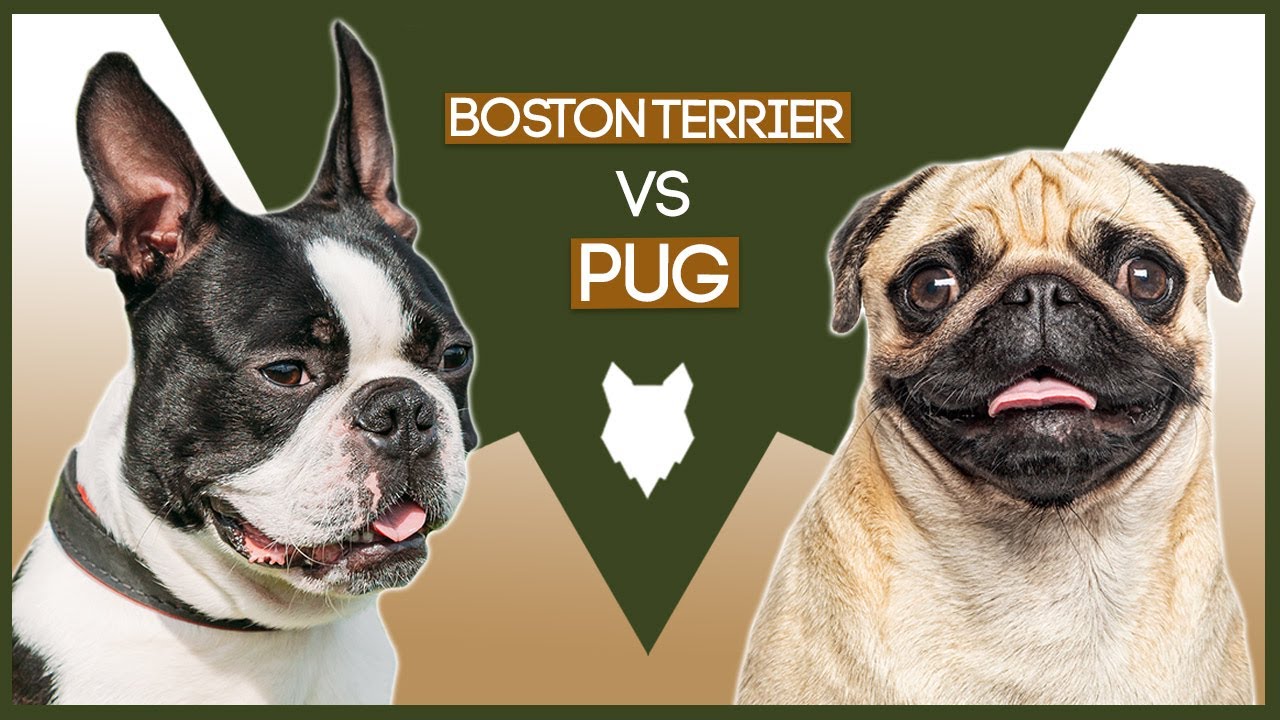
The pug is a compact, square-built dog famous for its wrinkled brow and short muzzle. The coat is short and glossy, most often seen in fawn or black. Large, dark eyes give the breed its trademark “worried yet sweet” expression.
Boston Terrier
The Boston Terrier is sleek and athletic, with a tuxedo-like coat that combines white with black, brindle, or seal. The head is flat on top, the eyes are round and alert, and the ears stand naturally at a jaunty angle.
Temperament
Pug
Pugs live to love. They crave company, follow their people from room to room, and usually greet strangers with a wagging tail. A firm but gentle hand works best when training, because they can pretend not to hear when something more interesting comes along.
Boston Terrier
Boston Terriers are lively little gentlemen and ladies. Smart and eager to please, they pick up commands quickly and enjoy brisk games of fetch. They balance playfulness with an off-switch indoors, making them polite housemates for families or singles.
Health
Pug
The flat face that gives pugs their appeal can also lead to breathing noise, overheating, and eye injuries. Weight control, moderate exercise in cool weather, and regular eye checks help keep problems in check.
Boston Terrier
Boston Terriers are generally sturdy, but watch for allergies, cataracts, and patellar luxation. Keeping teeth clean and weight appropriate goes a long way toward a long, healthy life.
Care Requirements
Pug
A weekly once-over with a soft brush controls shedding, while daily walks and puzzle toys prevent boredom. Because they bond so tightly, pugs do best in homes where someone is around for much of the day.
Boston Terrier
A quick daily wipe with a grooming mitt keeps the coat shiny. These dogs enjoy brisk walks, interactive play, and mental challenges such as trick training. Positive, consistent lessons turn their quick minds into good manners.
Conclusion
Both breeds offer devotion, humor, and a convenient small size. Your final choice may come down to grooming tolerance, activity level, and how much time you can spend together. Whichever you pick, a balanced diet, regular vet care, and daily affection will earn you a loyal friend for years to come.
References
– General breed information from major kennel clubs and veterinary resources.
– Health guidelines drawn from widely accepted canine care literature.
– Grooming and training tips based on professional breeder and trainer recommendations.
– Community owner forums and reputable pet-care websites.