


The Impact of Neighborhood Pet Shops on Pet Ownership and Community Life
Introduction
Local pet shops have quietly become cornerstones of daily life in many towns and cities. Beyond simply selling food and toys, they shape how people care for their animals and how neighbors connect with one another. This article looks at the ways nearby pet shops influence ownership habits, strengthen community ties, and support canine well-being.
The Rise of Neighborhood Pet Shops
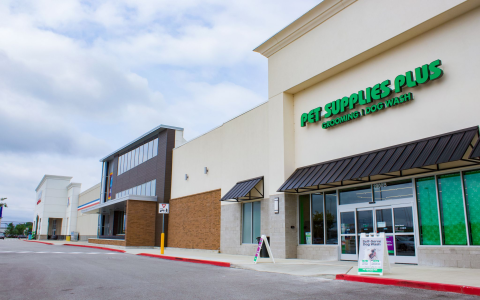
In recent years, small-scale pet retailers have multiplied across residential areas. Rising interest in companion animals, together with demand for specialized diets and accessories, has encouraged entrepreneurs to open welcoming stores within walking distance of most homes. These shops now serve as familiar landmarks on main streets and in shopping plazas.
The Influence on Pet Ownership

1. Accessibility to Pet Supplies
Having a store close by means owners can quickly replace food, pick up waste bags, or grab a new leash without a lengthy trip. That convenience helps maintain consistent feeding schedules, routine grooming, and safe walks, all of which keep dogs healthier and happier.
2. Education and Advice
Staff members who greet regular customers often learn each dog’s name and needs. They share tips on portion sizes, introduce puzzle toys for mental stimulation, and suggest gentle shampoos for sensitive skin. Reliable guidance right at the point of purchase reduces guesswork and supports better care at home.
3. Encouraging Pet Ownership
Window displays of colorful collars, plush beds, and treat jars can spark curiosity among passers-by. Friendly meet-and-greet events inside the shop allow visitors to interact with calm, well-socialized dogs, sometimes inspiring them to adopt a companion of their own.
Community Engagement
1. Social Gatherings
Weekend puppy classes, photo days with festive backdrops, and charity drives turn the store into a mini community center. Owners swap training stories while dogs practice polite greetings, weaving new friendships among neighbors who might otherwise remain strangers.
2. Local Economic Impact
Each purchase keeps money circulating nearby: the store hires local workers, contracts with regional treat bakers, and invites groomers or trainers to share space. A thriving pet shop often attracts cafés or veterinarians to open nearby, gradually boosting the whole block.
The Well-being of Dogs
1. Healthier Pets
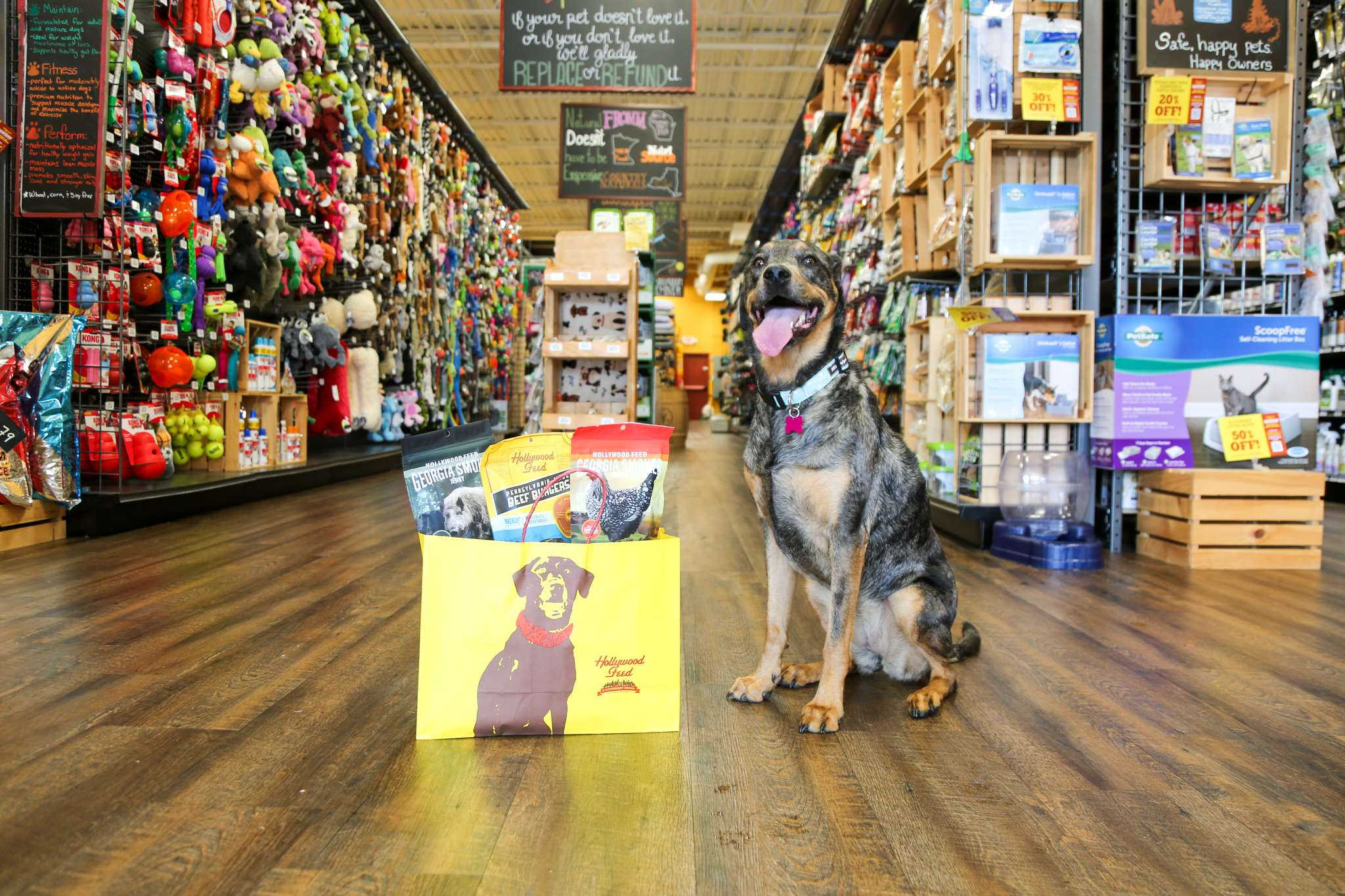
Ready access to balanced meals, dental chews, and preventive supplements helps owners stay ahead of common issues such as obesity or tartar build-up. Knowledgeable employees can point shoppers toward appropriate portion sizes or limited-ingredient diets when sensitivities arise.
2. Enhanced Socialization
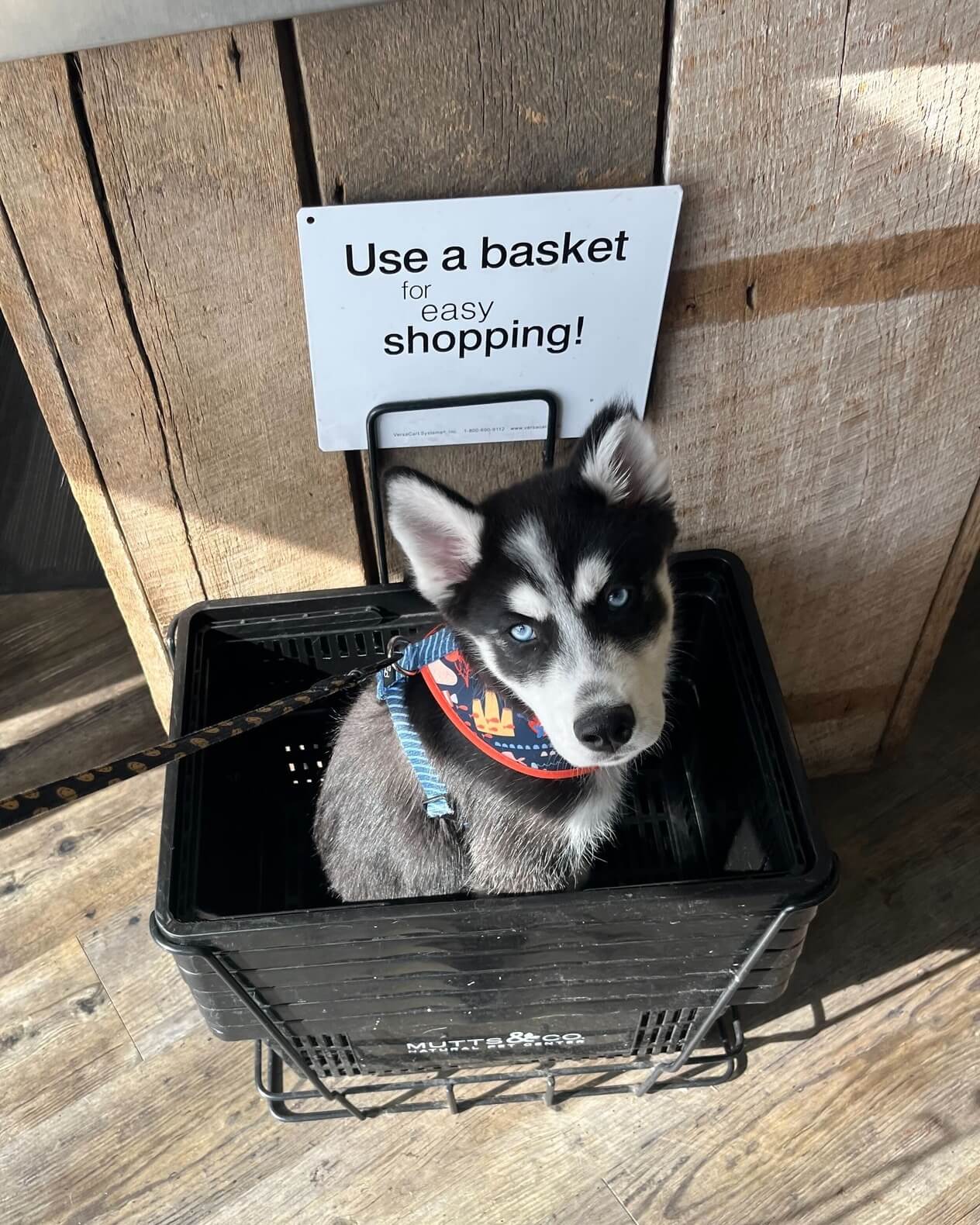
Short visits to a friendly shop act as low-stress field trips. Puppies learn to navigate shiny floors, meet unfamiliar people, and practice sit-for-treat manners. These positive experiences build confidence that carries over to parks, sidewalks, and veterinary clinics.
The Role of Neighborhood Pet Shops in Promoting Responsible Pet Ownership
1. Adoption Opportunities
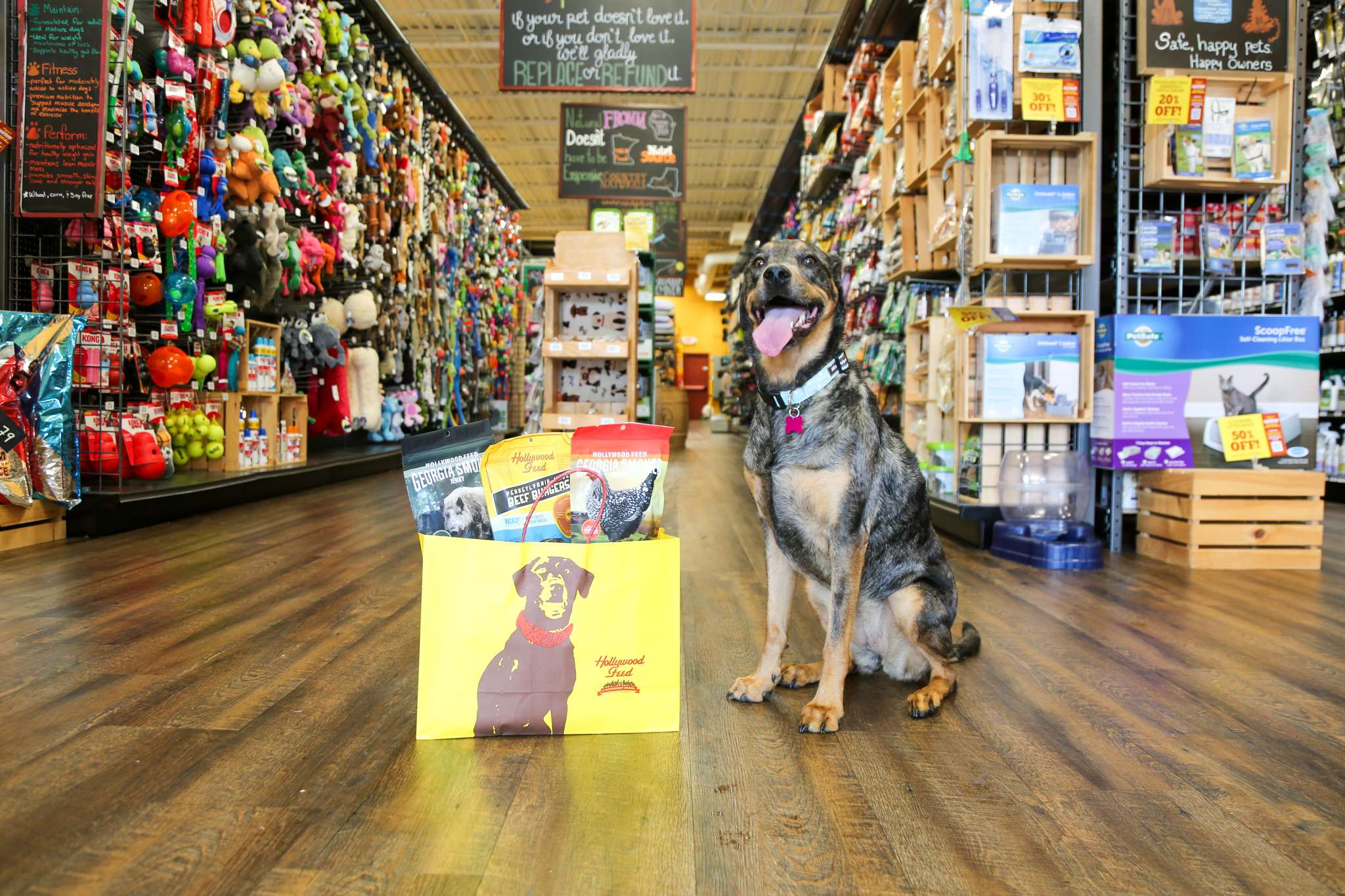
Many retailers reserve space for rescue groups to showcase adoptable dogs on Saturdays. By providing a bright, central venue, they shorten the path from foster home to forever family and underline the message that adoption is a normal, rewarding choice.
2. Education on Pet Care
Posters, handouts, and quick chats cover topics such as the benefits of sterilization, the importance of permanent identification, and how to schedule annual health checks. Clear, consistent information empowers owners to plan ahead rather than react to crises.
Conclusion
Neighborhood pet shops do far more than ring up sales. They shorten the distance—both physical and emotional—between people who share a love of dogs. By offering convenient supplies, steady guidance, and welcoming spaces to gather, these stores help communities grow more compassionate and more connected, one tail wag at a time.
Recommendations and Future Research
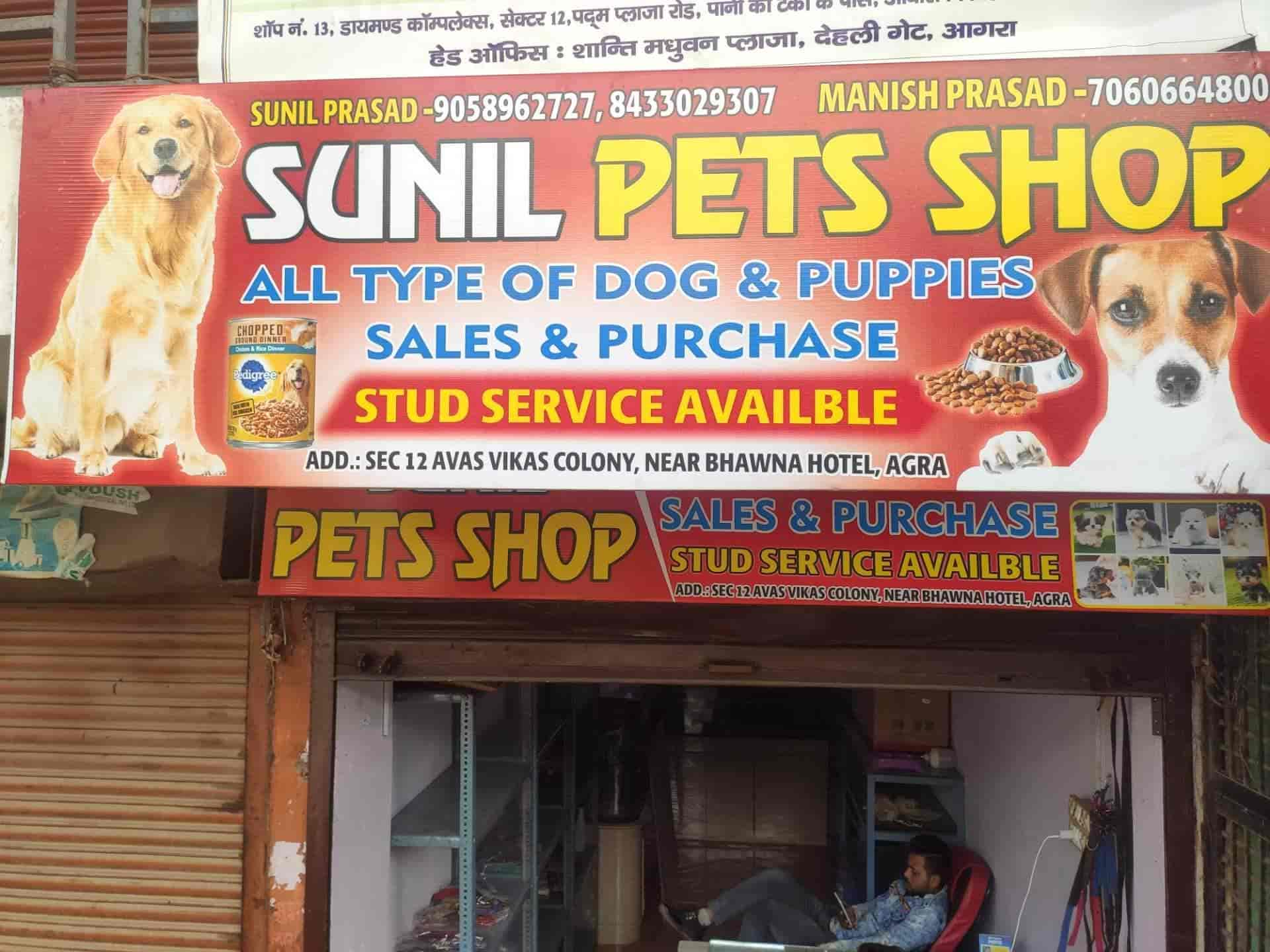
To build on these benefits, communities might consider the following steps:
1. Encourage ongoing partnerships between pet shops and animal-welfare groups to spotlight adoptable pets.
2. Expand short workshops on nutrition, basic training, and emergency first aid so owners feel supported throughout a dog’s life stages.
3. Coordinate seasonal events—such as neighborhood walks or toy drives—that bring shoppers, residents, and their dogs together in public spaces.
Future studies could track how proximity to a friendly pet retailer influences adoption rates, canine health outcomes, and neighborhood cohesion over time. Additional research might also quantify the ripple effect these businesses have on surrounding commerce and on owners’ sense of community belonging.


