How to Rehome Your Dog Responsibly: A Practical Guide
Introduction
Choosing to rehome a beloved dog is rarely easy. Life changes—whether a new job, a growing family, or unexpected expenses—can make it hard to give your pet the time, money, or attention they deserve. This guide walks you through each stage of the process so your companion moves safely and comfortably into a new, caring household.
Understanding Why Rehoming May Be Necessary
Before taking action, reflect on the factors pushing you toward this choice. Common situations include:
1. Shifting Personal Circumstances
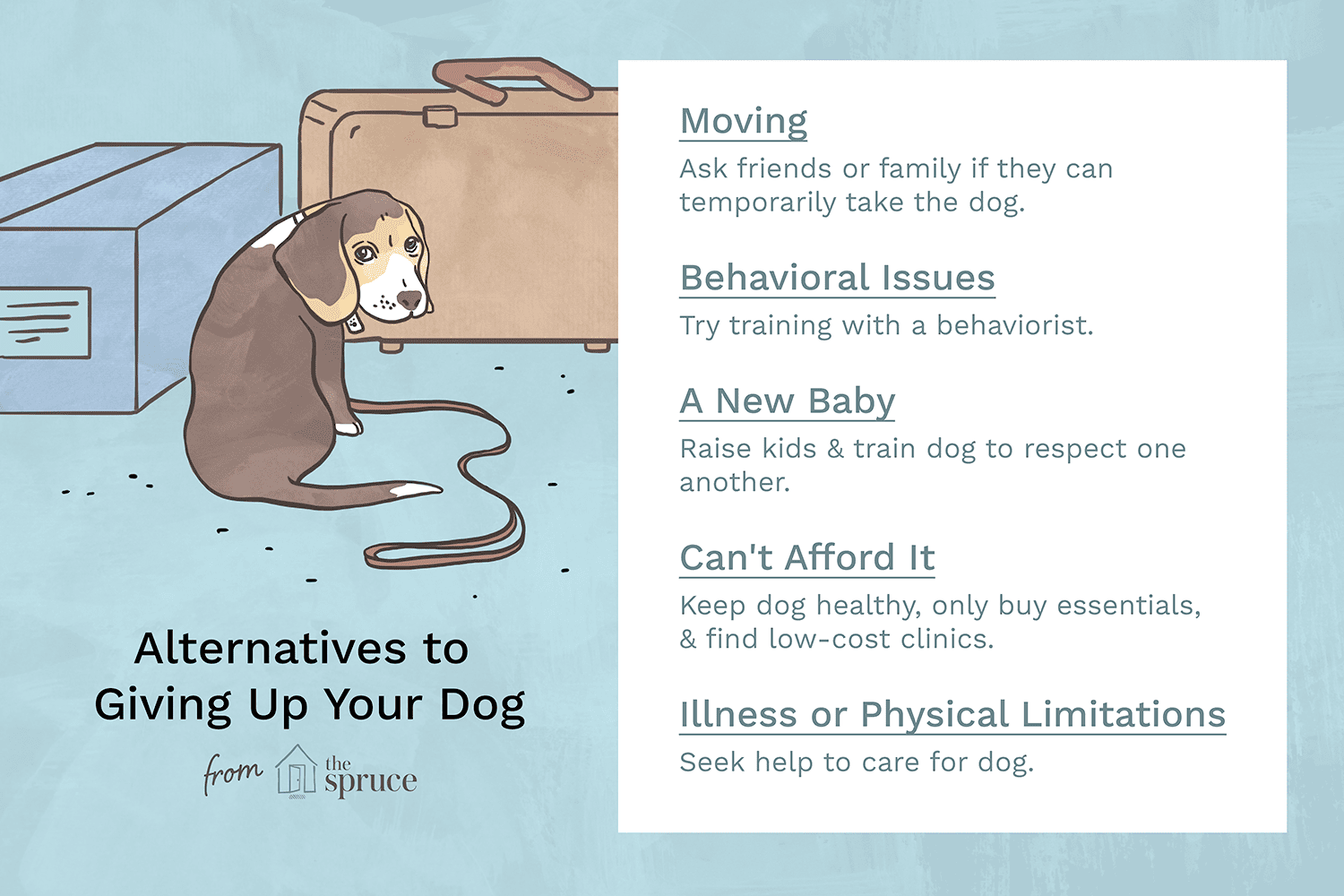
A long-distance move, extended travel, or household upheaval can disrupt daily routines. If the change is lasting and no support network is available, rehoming may be the kindest option.
2. Budget Pressures
Food, routine vet visits, grooming, and emergency care add up quickly. When basic needs strain the family budget, placing your dog with someone who can meet those costs protects their welfare.
3. Medical Complexity
Some conditions demand round-the-clock care or costly treatment beyond current means. A home experienced with special-needs pets can offer the expertise and resources required.
Preparing Your Dog for the Next Chapter
A smooth handover starts with thoughtful preparation:
1. Veterinary Review
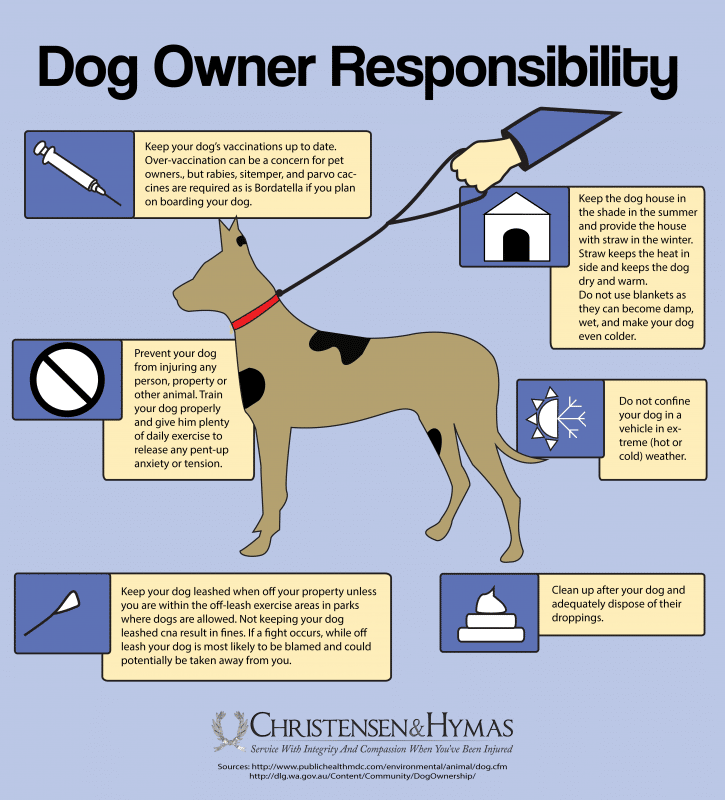
Book a full exam, update vaccinations, and discuss spay or neuter status. A clean bill of health, parasite prevention, and written records reassure future caregivers.
2. Polite Manners
Refresh leash skills, recall, and house-training. A dog who sits calmly, walks politely, and greets strangers confidently appeals to a wider pool of adopters.
3. Paperwork Packet
Gather vet summaries, diet notes, medication schedules, and favorite toys or blankets. A clear profile helps the new family continue routines with minimal stress.
Finding the Right Home
Patience and outreach are key:
1. Shelters and Rescue Groups
Reputable organizations screen adopters, provide foster care, and often feature pets on high-traffic websites. Contact several to learn about intake policies and wait times.
2. Trusted Networks
Post a friendly bio with clear photos on community boards, hobby clubs, or social media groups focused on animal welfare. Word of mouth among friends, coworkers, or veterinarians can uncover responsible candidates.
3. Local Pet Hubs
Ask groomers, trainers, and independent pet stores if you may display a short flyer on their notice boards. Staff often meet devoted owners looking for a new companion.

Completing the Adoption
Once a promising guardian appears, follow these safeguards:
1. Neutral Meet-and-Greet
Introduce dog and applicant in a quiet park or training yard. Observe body language, answer questions honestly, and note how they handle treats, leash, and play.
2. Reference Check
Chat with their previous veterinarian or landlord to confirm pets were kept up-to-date on care and allowed in the home. Responsible owners welcome the inquiry.
3. Simple Agreement
Write a one-page contract covering health status, return clause if the match fails, and agreement to provide lifelong care. Both parties keep a signed copy.
Conclusion

Rehoming is painful, yet careful steps—honest reflection, thorough preparation, diligent screening—give your dog the best chance at a secure, joyful future. Focus on their needs, trust the process, and take comfort knowing you acted out of love.
Recommendations and Future Research
To reduce future rehoming cases, consider:
– Promoting workshops on realistic pet budgeting, training, and time management before adoption.
– Encouraging collaboration among shelters, trainers, and neighborhood groups to create faster, safer matchmaking systems.
– Supporting studies that track rehomed pets’ long-term health and behavior to refine best practices.
Together, these efforts can strengthen the safety net for every dog and the families who care for them.