



The Value of Pet ID Tags: A Complete Overview
Introduction
A simple ID tag is one of the easiest ways to protect a beloved dog. Lightweight, affordable, and instantly readable, it offers owners peace of mind and gives lost pets a fast ticket home. This overview explores why these tags matter, how they developed, and the practical benefits they bring to everyday pet care.
The History of Pet ID Tags
Origin and Evolution
Metal identification discs first appeared on military uniforms centuries ago. Pet owners later borrowed the idea, engraving a dog’s name and a phone number on small brass circles. Over time, shapes diversified, engraving improved, and lightweight alloys replaced heavier metals, leading to the colorful, durable tags sold in pet stores today.
The Importance of Pet ID Tags
Identification and Safety
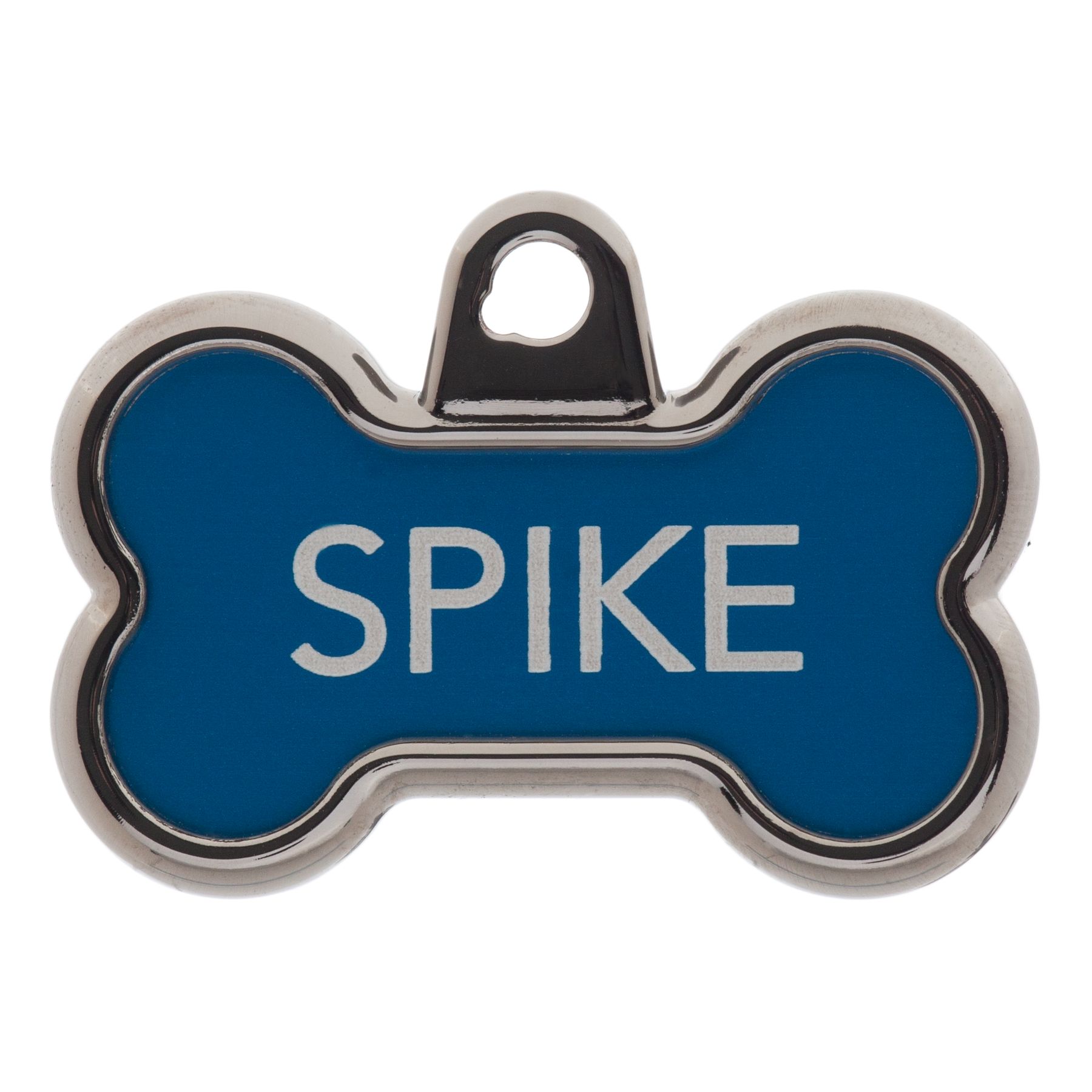
An ID tag is the quickest way for a stranger to help a lost dog. A glance at the tag provides the pet’s name and the owner’s details, allowing a fast reunion without relying on micro-chip scanners or shelter intake procedures.
Legal Compliance
Many cities require dogs to wear current license or ID tags in public. Visible identification shows that an owner is following local rules and helps animal-control officers verify vaccination status on the spot.
The Impact of Pet ID Tags on Pet Safety
Preventing Animal Abuse
A tagged dog is clearly someone’s companion, making the animal a less attractive target for theft or mistreatment. The tag signals that the pet is valued and monitored.
Emergency Preparedness
During floods, fires, or traffic accidents, rescuers can read an ID tag immediately, contact the owner, and arrange safe shelter for the animal without lengthy delays.
The Role of Pet ID Tags in Pet Ownership
Building Trust and Responsibility
Attaching a tag is a visible promise that an owner takes full responsibility for a pet’s welfare. This small act can inspire neighbors to follow suit, raising the overall standard of care in the community.
Personalization and Style
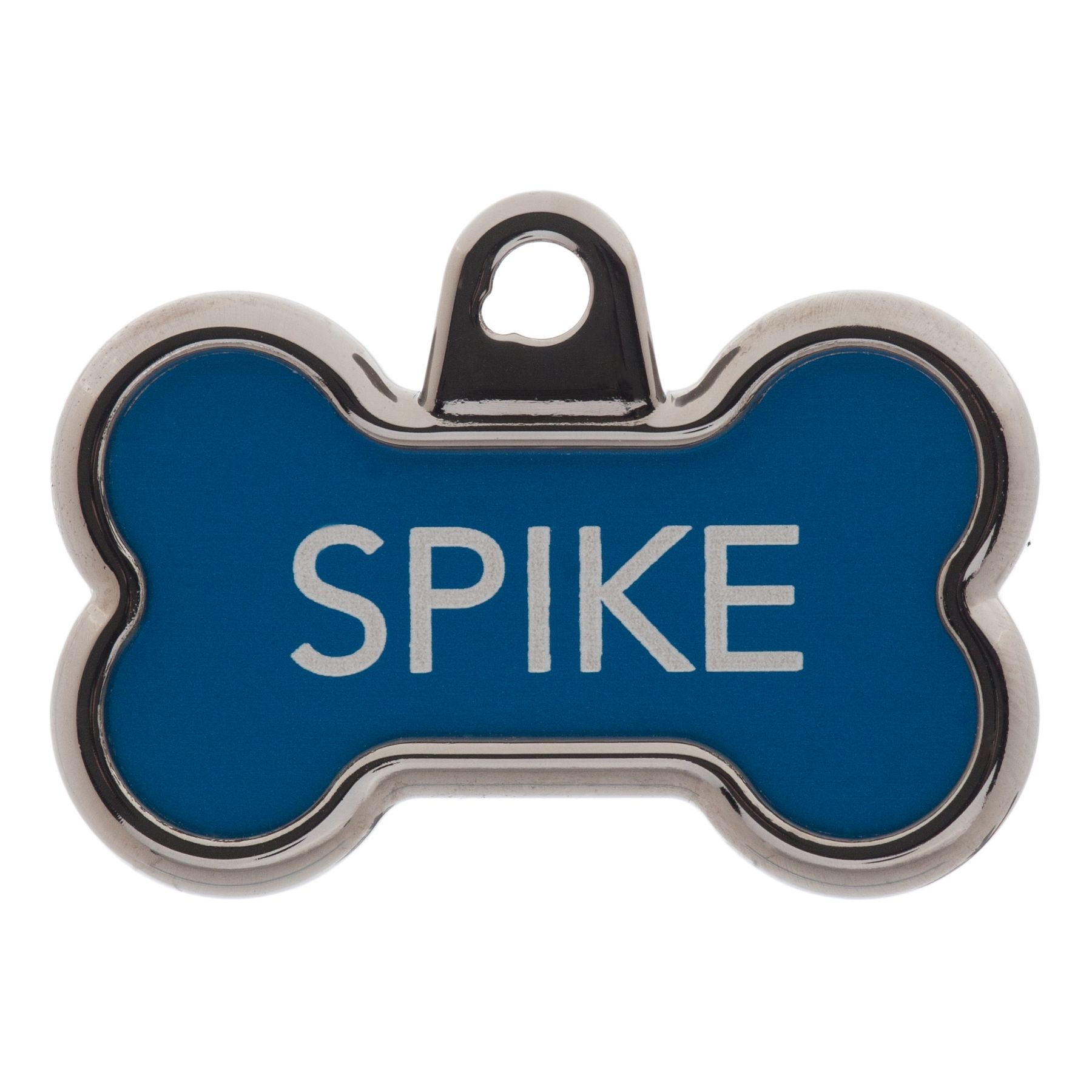
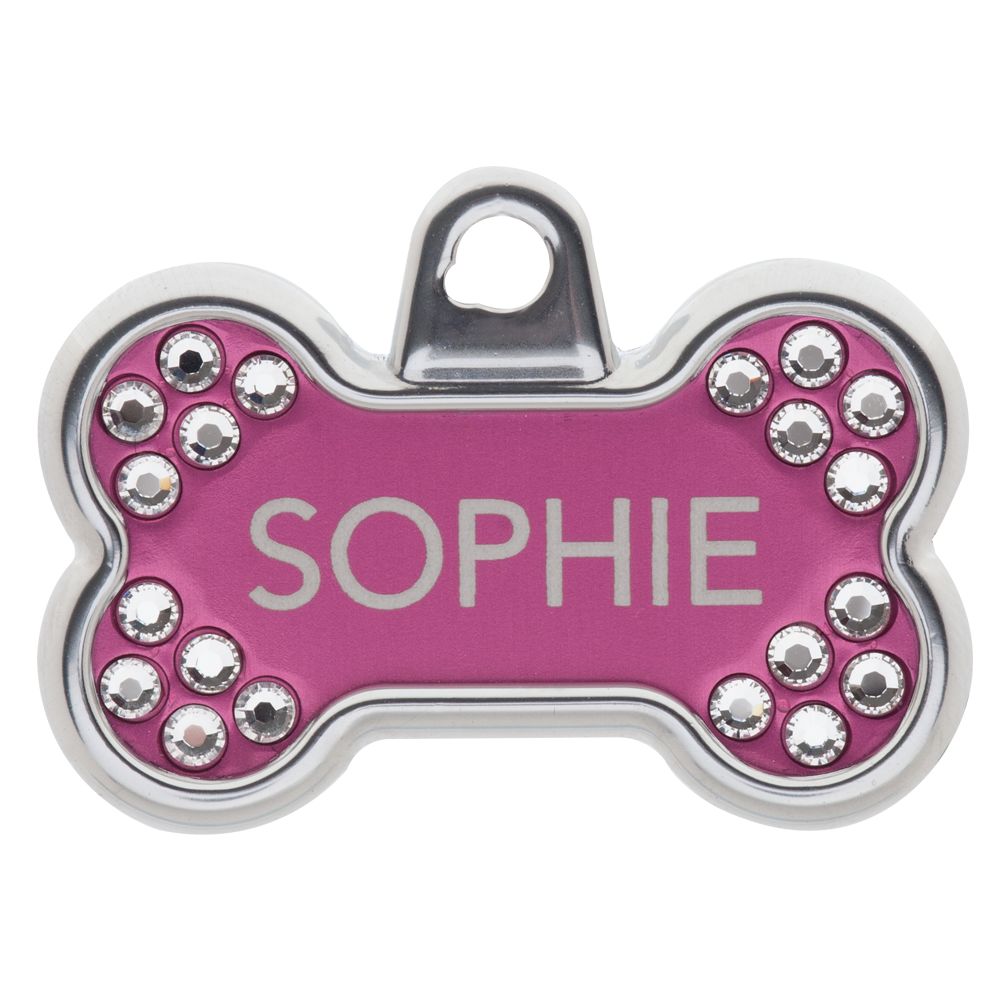
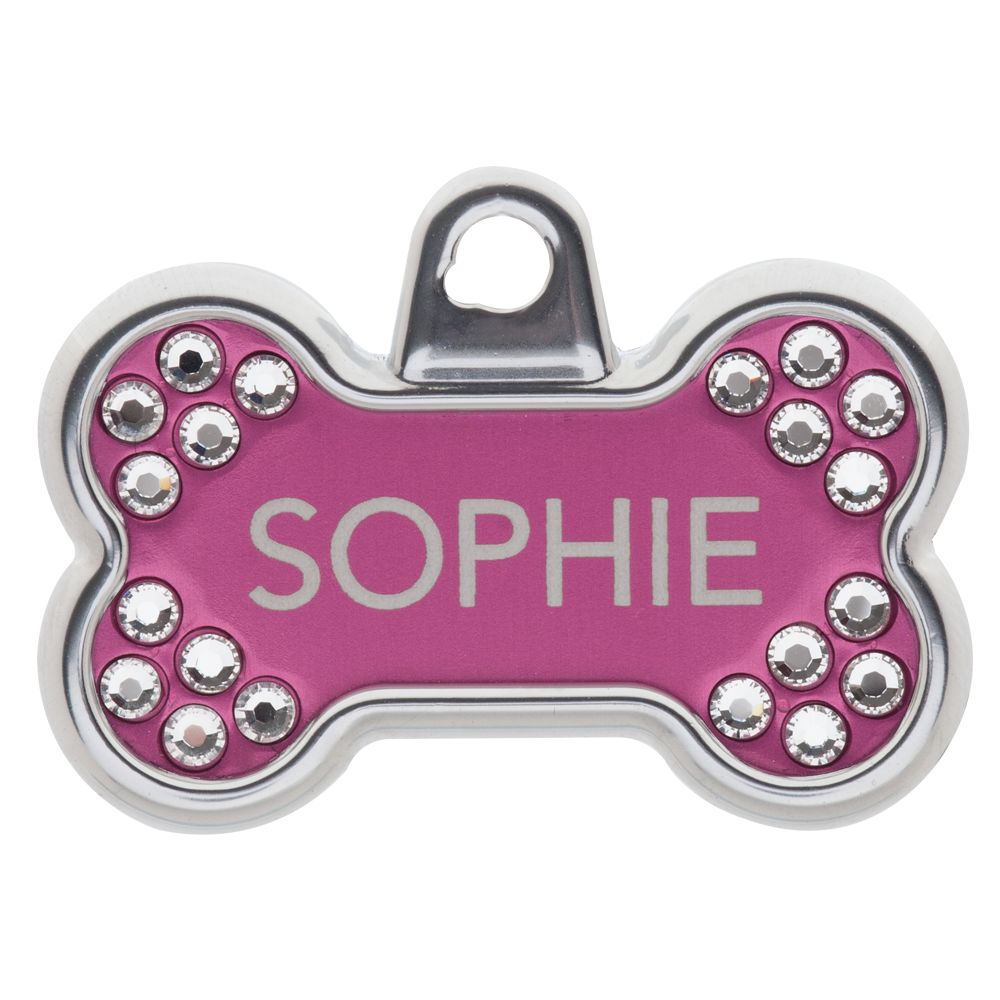
Modern tags come in countless colors, fonts, and shapes, letting owners add a dash of personality while keeping the dog safe. From glitter hearts to minimalist steel discs, there is a design for every taste.
Conclusion
A well-made ID tag remains the simplest insurance policy against losing a four-legged family member. By keeping the information current and the tag securely fastened, owners meet legal obligations and, more importantly, protect the bond they share with their pet.
Recommendations and Future Research
To get the most from an ID tag, owners are encouraged to:
1. Update phone numbers or addresses whenever they change.
2. Add brief medical notes such as “needs daily meds” if space allows.
3. Remind fellow owners to tag their pets as well.
Future studies could examine:
1. How visible ID affects recovery rates for lost animals.
2. Whether stylish tags increase compliance among new adopters.
3. Innovations—such as QR codes or glow-in-the-dark coatings—that could make tags even more useful and durable.
Continued attention to this humble accessory will help keep dogs safe and strengthen the human-canine relationship for years to come.


