
The Role and Importance of Canine Shelters: A Comprehensive Overview
Introduction
Canine shelters, often called rescue centers, provide essential refuge for dogs who have lost their homes or experienced hardship. These safe spaces offer care, medical attention, and a second chance at happiness. This article explores why such shelters matter, how they affect the animals they house, and the positive ripple effects felt throughout society.
The Purpose of Canine Shelters
Canine shelters fulfill several vital functions that benefit both dogs and people:
1. Shelter and Care
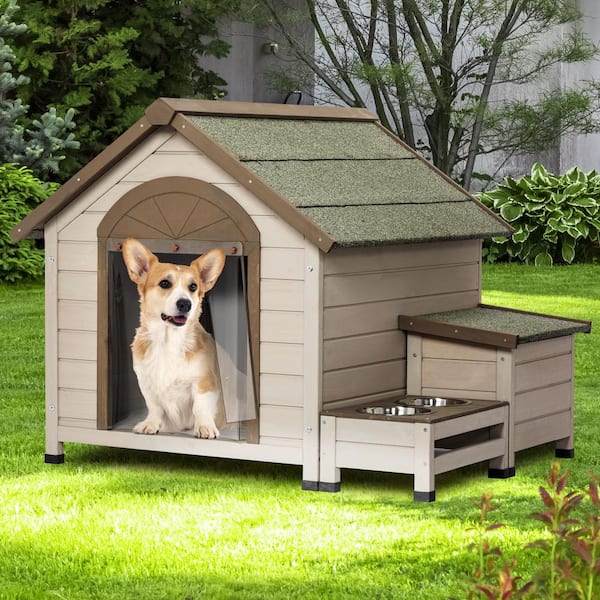
These facilities supply nutritious food, clean water, veterinary treatment, and comfortable quarters, ensuring every resident dog regains physical strength and emotional balance.
2. Adoption Services
By carefully matching dogs with loving families, shelters reduce the number of animals living on the streets and create joyful new beginnings for pets and adopters alike.
3. Education and Awareness
Staff and volunteers run workshops, school visits, and community events that teach responsible guardianship, the benefits of sterilization, and kindness toward animals.
The Impact of Canine Shelters on Dogs
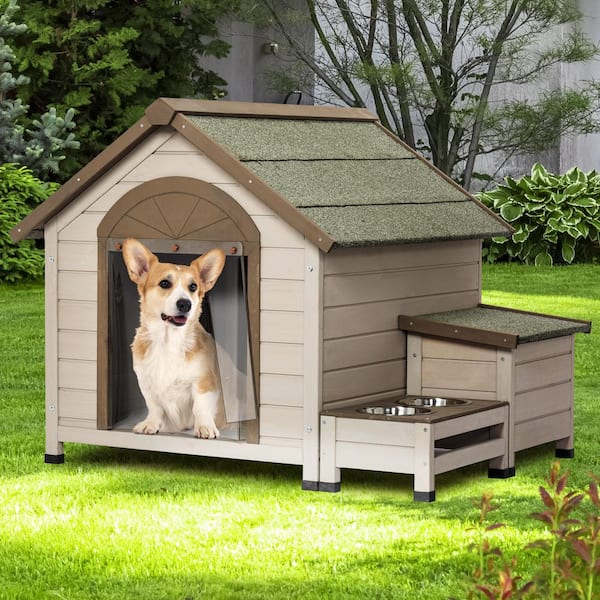
Shelter life transforms dogs in measurable ways:
1. Improved Health and Well-being
Regular check-ups, vaccinations, and prompt treatment of injuries or illnesses prepare each dog for a healthy future.
2. Socialization Opportunities
Supervised playgroups and daily human interaction help dogs rebuild confidence and learn manners that make them wonderful companions.
3. Emotional Support

Gentle routines, affectionate handling, and predictable care allow traumatized dogs to relax, trust again, and reveal their true personalities.
The Role of Canine Shelters in the Community
Beyond helping individual animals, shelters strengthen neighborhoods:
1. Reducing Stray Dog Population
Successful adoption programs lower the number of free-roaming dogs, which in turn lessens noise, traffic incidents, and public health concerns.
2. Economic Benefits
Shelters create employment, invite tourism through open days, and encourage local spending at nearby businesses during adoption events.
3. Building Stronger Communities
Partnerships with schools, veterinarians, and civic groups foster cooperation, volunteerism, and a shared sense of responsibility for animal welfare.
Challenges and Solutions
Even the most dedicated shelters encounter obstacles:
1. Limited Resources

Budget constraints can restrict food supplies, medical equipment, and staffing levels; community donations and creative fundraising are critical.
2. Overpopulation
High intake numbers strain facilities; affordable spay-and-neuter campaigns and education on responsible breeding ease the pressure.
3. Public Perception
Myths that shelters house only “problem” animals persist; success stories, meet-and-greet events, and transparent operations counter these stereotypes.
Conclusion

Canine shelters serve as bridges between despair and hope, offering dogs the care they need while enriching human lives through adoption and education. Continued community support ensures these havens keep tails wagging for generations to come.
Recommendations and Future Research
To strengthen shelter impact, consider the following steps:
1. Expand fundraising channels and apply for grants to secure steady resources for food, medicine, and facility upgrades.
2. Launch low-cost sterilization drives in partnership with veterinary clinics to curb overpopulation humanely.
3. Study long-term behavioral changes in adopted dogs to refine enrichment and training programs.

4. Develop age-appropriate classroom modules that instill empathy and responsibility toward animals from an early age.
By acting on these suggestions and supporting further research, society can ensure every dog enjoys safety, health, and a loving home.