



Title: Declawed Dogs: Understanding the Controversy and Implications
Introduction:
Declawing dogs, medically termed onychectomy, is a surgical operation that removes the claw along with the last toe bone. Although the procedure is far more common in cats, it is occasionally requested for dogs. This article examines why the topic sparks debate, outlines the possible consequences, and offers a balanced overview for anyone considering the surgery.
What is Declawing Dogs?
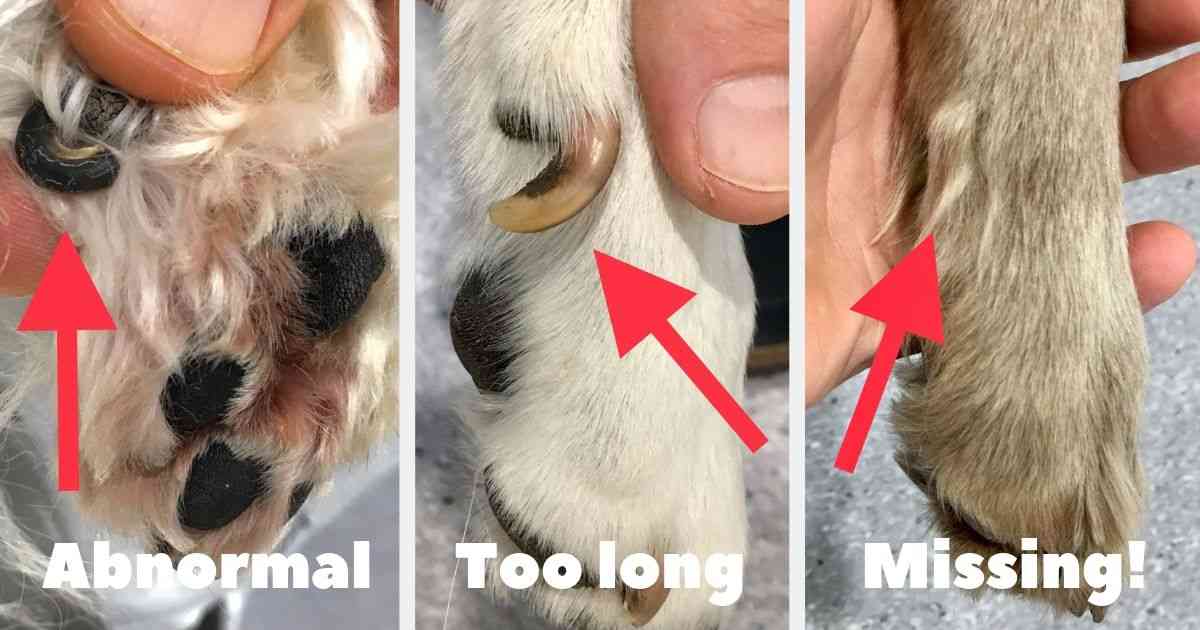
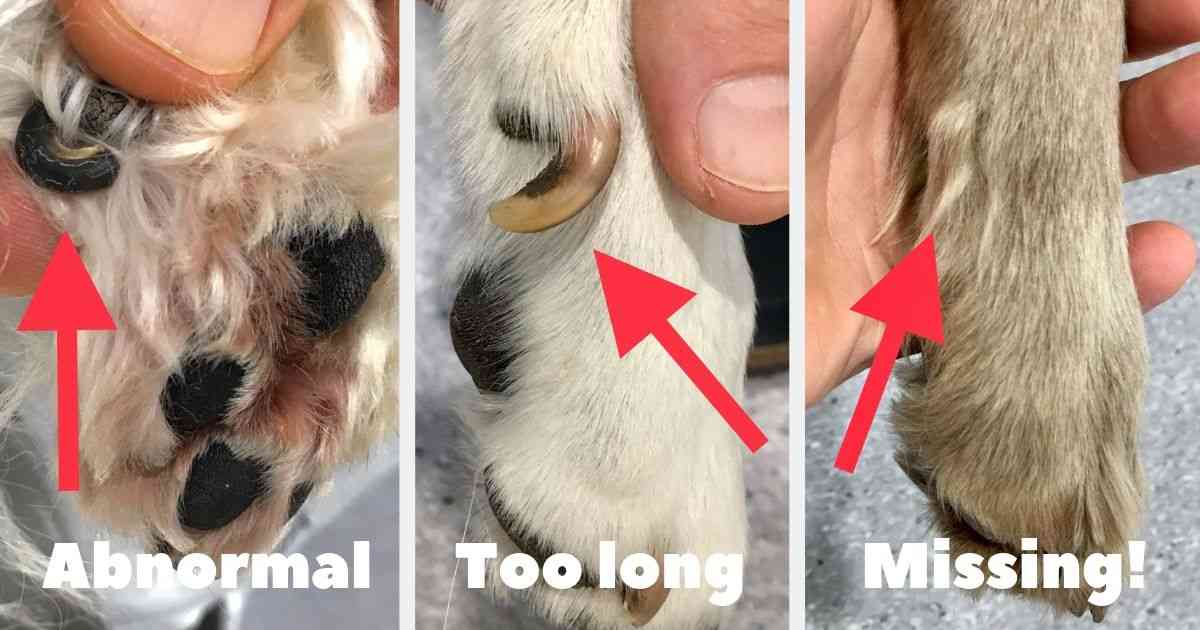
Declawing dogs entails amputating the third phalanx of each toe. Owners sometimes seek the surgery to protect household items, lower the chance of human scratches, or eliminate the dog’s ability to swipe with sharp nails.
Controversy Surrounding Declawing Dogs
Critics focus first on post-operative pain. Because the procedure is an amputation, it demands general anesthesia and a tender recovery phase that may last weeks.
Long-term worries include altered gait, reduced grip, and secondary joint stress. Some dogs also show newfound fearfulness or irritability after losing their primary means of defense.
Arguments for Declawing Dogs
Supporters contend that, in select cases, declawing protects vulnerable family members and costly furnishings. They stress that meticulous pain control and attentive aftercare can make the experience tolerable, arguing that the choice should rest with the owner and veterinarian after careful discussion.
Proponents further note that indoor dogs with chronic scratching disorders might benefit when gentler remedies have failed.
Arguments Against Declawing Dogs
Welfare groups counter that the operation is an unnecessary mutilation. They highlight training, nail trimming, protective nail caps, and sturdy scratch mats as humane alternatives that spare the dog from surgery.
Opponents also warn that removing claws can lead to chronic back pain, lameness, and behavior problems that emerge months or years later.
Research and Evidence
Peer-reviewed surveys indicate that declawed pets are more likely to develop lingering limb soreness and altered posture compared with clawed counterparts.
Behavioral assessments further suggest higher rates of withdrawal and defensive snapping in dogs that have undergone the procedure, reinforcing concerns about long-term wellbeing.
Conclusion
The debate over canine declawing pits convenience against welfare, with credible arguments on each side. Yet accumulating evidence points toward possible mobility setbacks and behavioral shifts that can diminish a dog’s quality of life.
Before proceeding, owners should explore every non-surgical option, consult a qualified veterinarian, and reflect on the individual dog’s temperament and environment.
Ultimately, collaborative efforts among vets, trainers, and caregivers can yield kinder solutions—consistent nail care, positive training, and enriched surroundings—that keep both homes and pets safe without resorting to amputation.
By choosing thoughtful, compassionate alternatives, guardians can safeguard their belongings while honoring the natural needs of their canine companions.


