The Merle Bulldog Puppy: A Friendly Guide to This Eye-Catching Companion
Introduction
The Merle Bulldog puppy turns heads wherever it goes, thanks to its striking coat and affectionate personality. This short guide walks you through the breed’s background, looks, daily needs, and the special points future owners should keep in mind.
Origins of the Merle Bulldog
Merle Bulldogs were developed by blending traits from traditional Bulldog types while introducing the merle color gene that creates the patchy pattern. Over time, fanciers stabilized the look, and the variety gradually earned recognition in several companion-dog circles.
Characteristics of the Merle Bulldog
Appearance
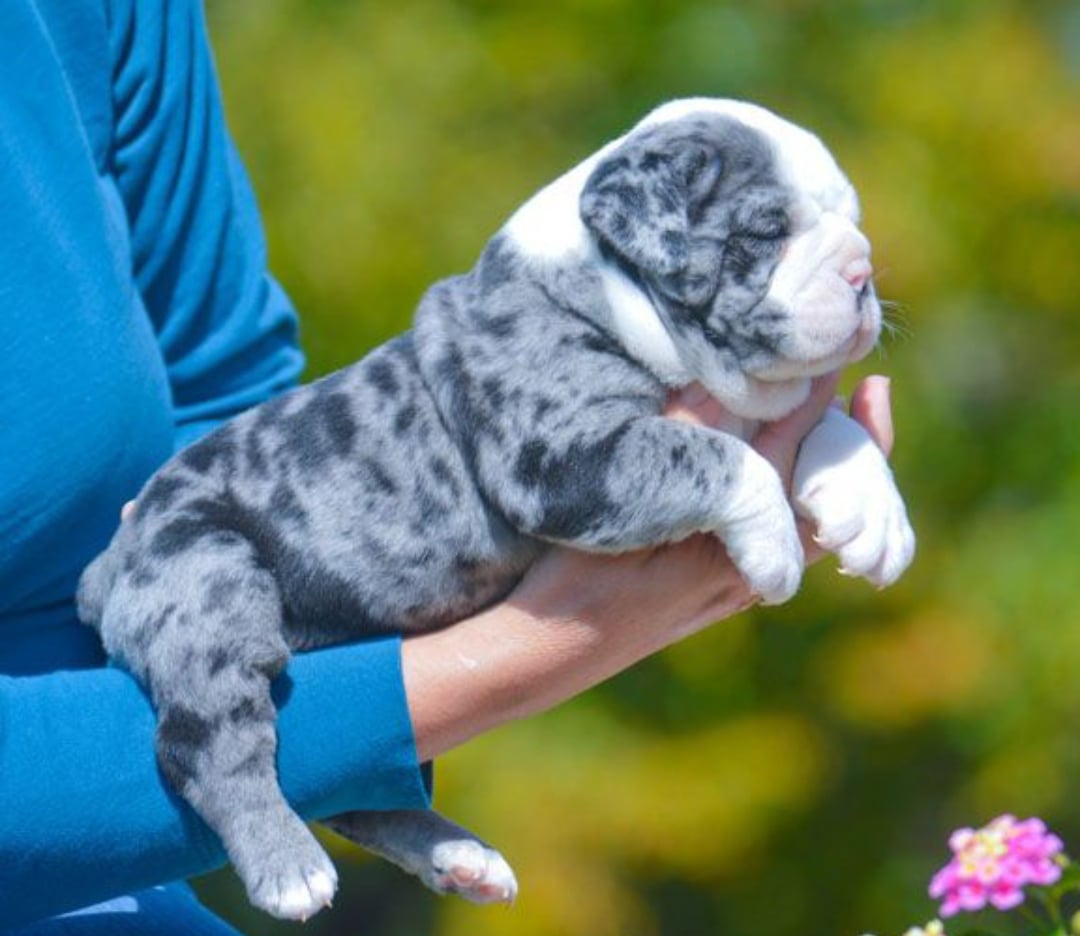
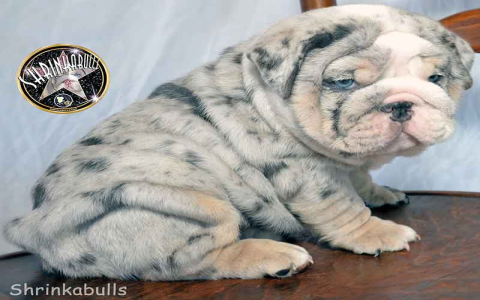
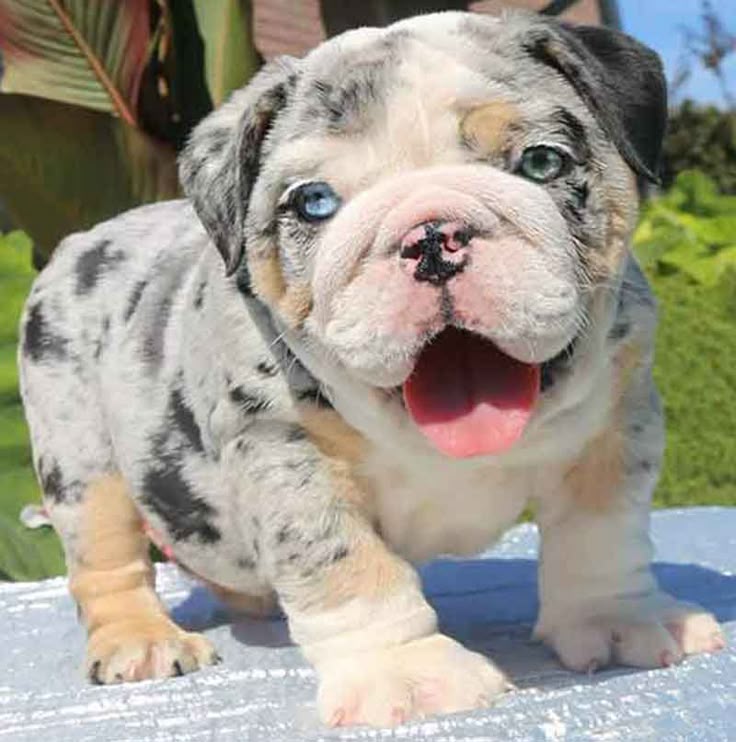
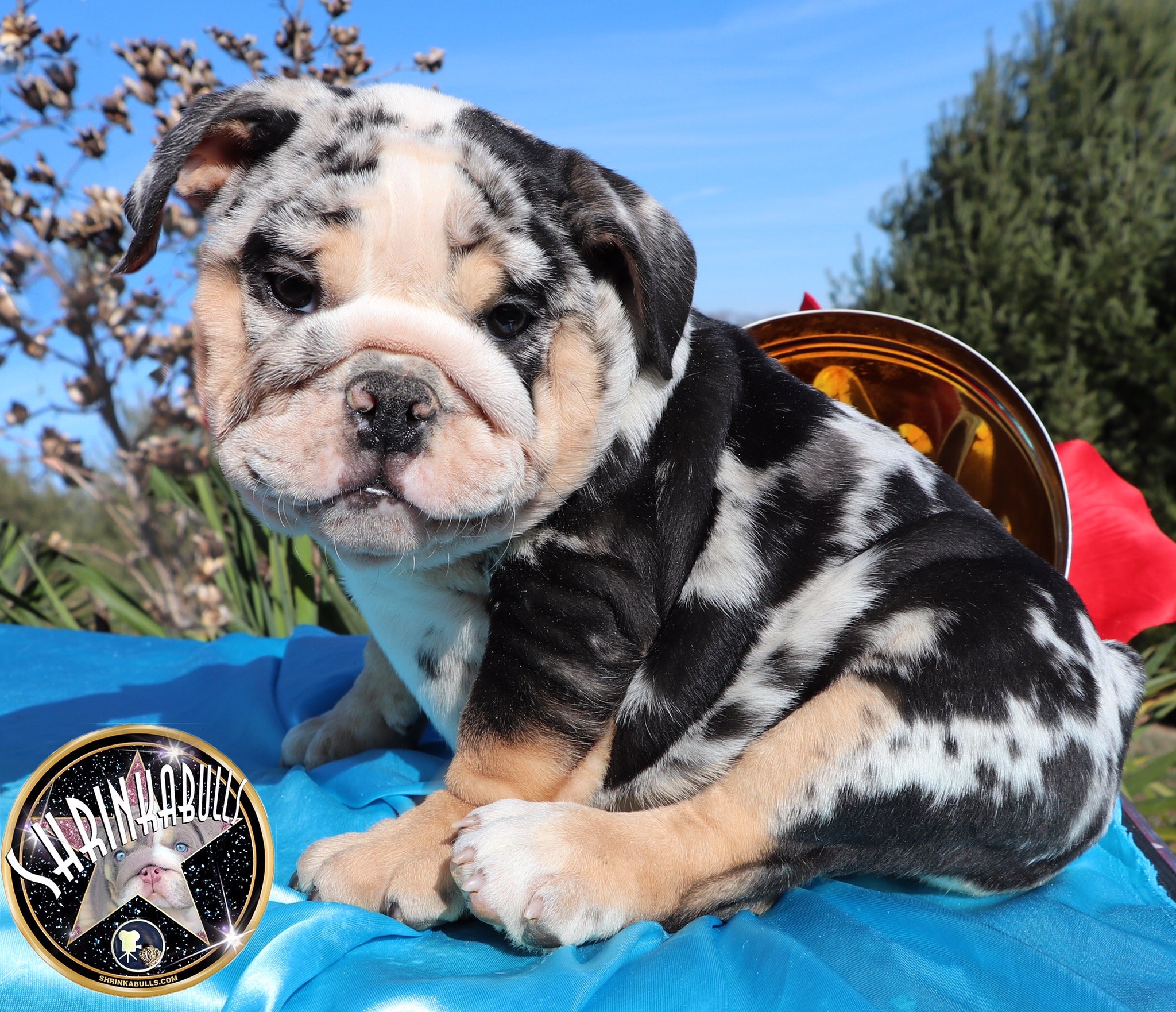
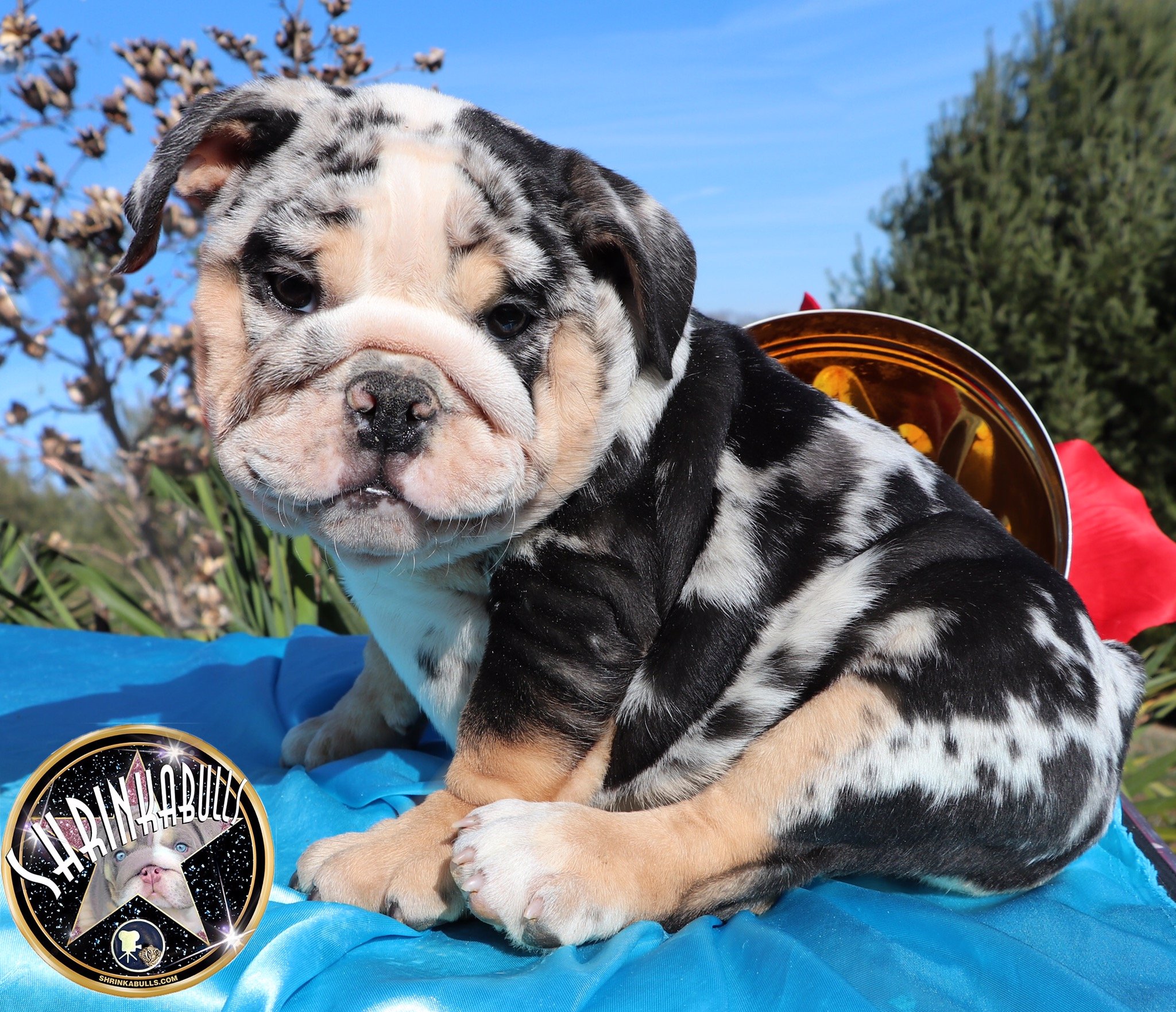
A merle pup sports a marbled coat that can vary from soft silver to deeper charcoal blotches. The same gene gives many individuals pale patches on the nose, lips, or around the eyes. Beneath the color lies the familiar Bulldog silhouette—broad chest, short muzzle, and sturdy legs.
Temperament
These dogs are typically people-oriented, calm indoors, and patient with respectful children. Early, positive training is important, because they can inherit the classic Bulldog stubborn streak.
Health Concerns
Like other merle carriers, some puppies may face hearing or sight differences, and skin sensitivities can appear. Reputable breeders screen litters and match pups to homes that can handle any extra care that might be needed.
Care Requirements for the Merle Bulldog
Diet
Offer measured meals of balanced kibble formulated for medium, stocky breeds. Limit rich leftovers to avoid weight gain and digestive upset.
Exercise
Two brisk walks and a few play sessions usually satisfy their moderate energy level. Avoid strenuous activity in hot, humid weather because their short muzzle limits cooling.
Grooming
A quick brush once or twice a week keeps the short coat tidy and cuts down on loose hair. Bathe only when dirty so natural skin oils remain intact.
Challenges of Owning a Merle Bulldog
Health Issues
Prospective owners should budget for routine vet visits and occasional specialist checks for eyes, ears, and joints. Pet insurance can soften unexpected costs.
Genetic Testing
Ask breeders for proof of health screenings; responsible programs test for common Bulldog issues as well as merle-related sensitivities.
The Merle Bulldog in Pop Culture
Merle-patterned Bulldogs have popped up in advertisements, social-media feeds, and even cartoon cameos, helping boost the color variety’s popularity worldwide.
Conclusion
A Merle Bulldog can be a charming, devoted housemate when matched with an owner who understands the breed’s health profile and provides steady care. With sensible precautions, these dogs usually enjoy long, comfortable lives as part of the family.
Future Research and Recommendations
Continued study of coat-color genetics will help refine breeding plans and reduce avoidable health risks. Meanwhile, anyone interested should meet several adult dogs, talk to established breeders, and confirm they are ready for the grooming, training, and possible vet care the variety can require.