
Creating a Pet-Friendly Home: A Safe and Cozy Haven for Our Animal Companions
Introduction
Pets have woven themselves into the fabric of daily life, offering affection, laughter, and comfort. As caretakers, we are responsible for giving them surroundings that protect both body and mind. This article looks at why a thoughtfully planned home matters, the hurdles owners often meet, and the rewards reaped by animals and people alike. We will touch on habitat design, emotional health, and the human-animal connection.
The Importance of a Pet-Friendly Home
A pet-friendly home is more than food bowls and a bed; it is a refuge where animals can flourish. Research shows that living conditions strongly influence an animal’s physical vigor and emotional balance. A well-arranged space can deliver several advantages:
1. Better Physical Health
When pets have room to move, climb, or fetch, they maintain healthier weight and stronger joints. A layout that invites play and then offers quiet corners for rest helps lower the risk of common ailments and keeps energy levels steady.
2. Richer Mental Stimulation
Brains need exercise too. Rotating toys, treat puzzles, and short training games ward off boredom and curb stress-related behaviors. A mentally engaged pet is calmer, more confident, and less prone to destructive habits.
3. Deeper Bonds with Guardians
Security breeds trust. Animals that feel relaxed in their environment respond more readily to affection and guidance, paving the way for clearer communication and a lasting friendship.
Challenges in Creating a Pet-Friendly Home
Even with good intentions, obstacles can appear:
1. Limited Square Footage
Apartments and compact houses may restrict sprint paths, yet vertical shelves, hallway fetch, or scheduled park visits can compensate for tight quarters.
2. Financial Pressures
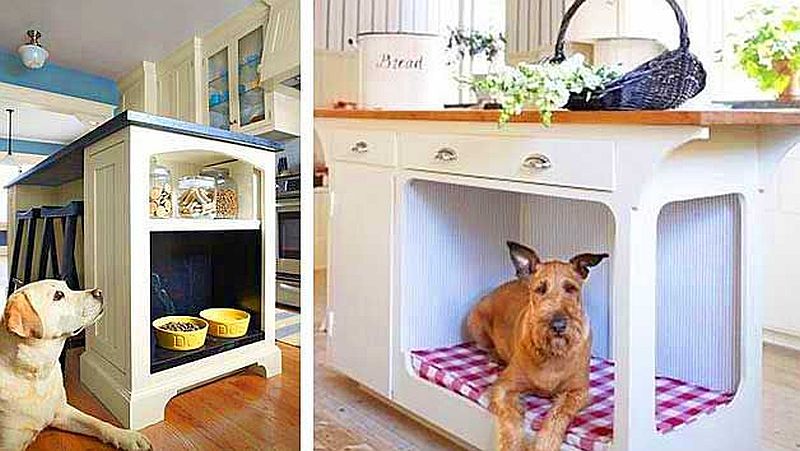
Specialty furniture and endless gadgets add up. Budget-minded caregivers can repurpose sturdy crates into cozy dens, swap expensive gadgets for homemade treat mazes, and prioritize essentials first.
3. Environmental Stressors
City noise, drafts, or overheated rooms can unsettle animals. Simple fixes—white-noise machines, draft stoppers, or timed thermostats—can turn a stressful space into a calm retreat.
Strategies for a Welcoming Habitat
Practical steps make the goal achievable:
1. Designing the Physical Space
– Remove hazards: secure cords, lock away cleaning supplies, and choose pet-safe plants.
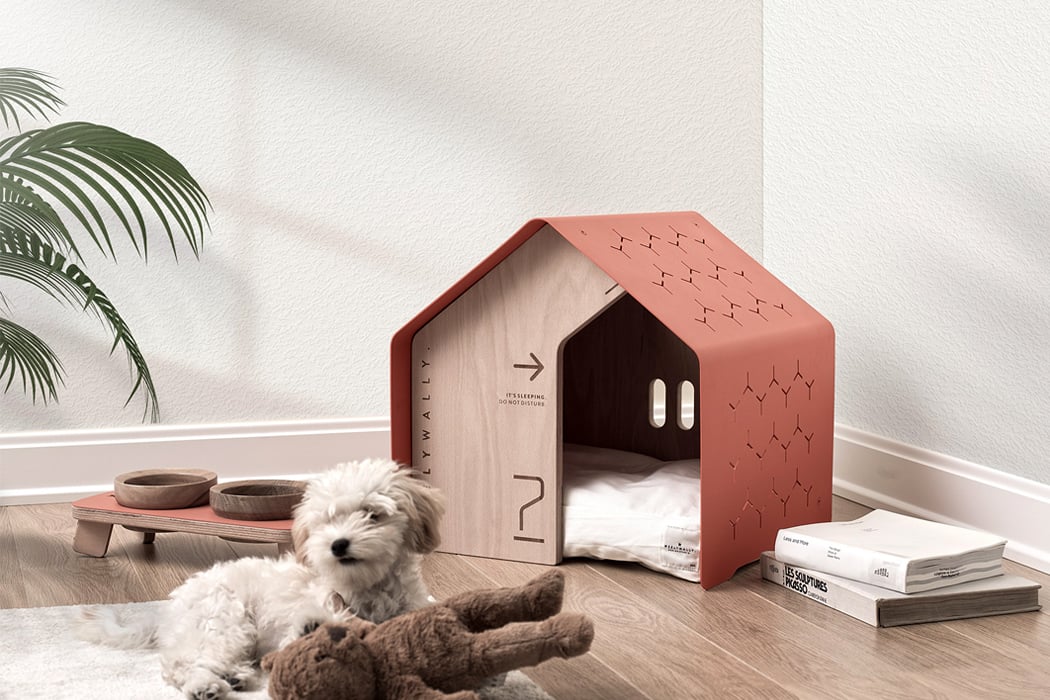
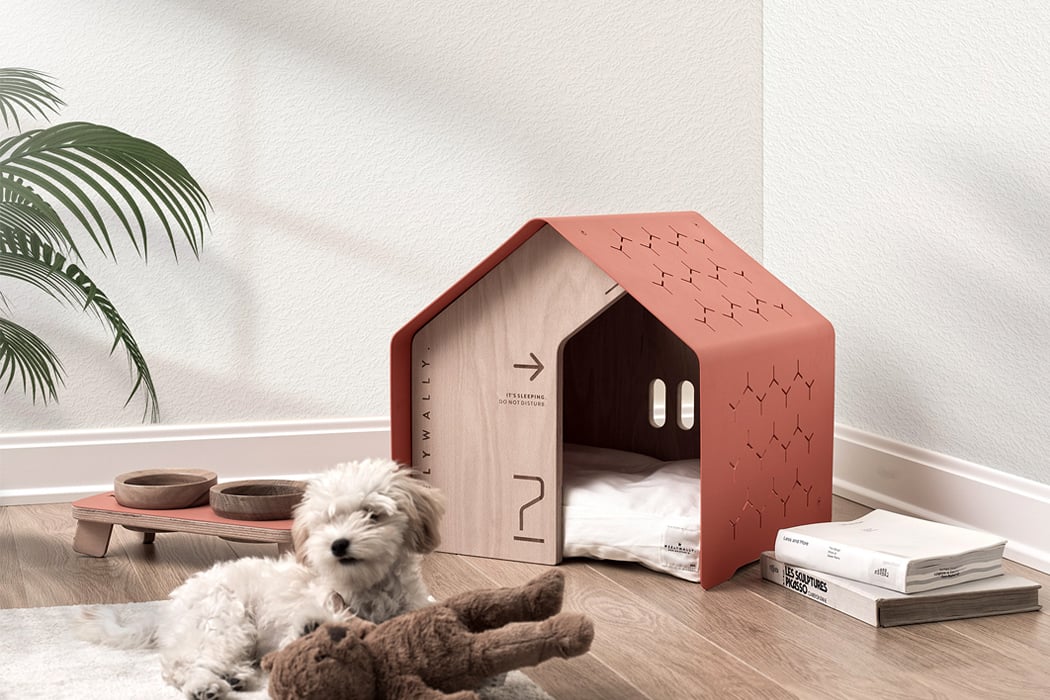
– Offer zones: a sunny perch for cats, a digging box for dogs, a quiet hideaway for small mammals.
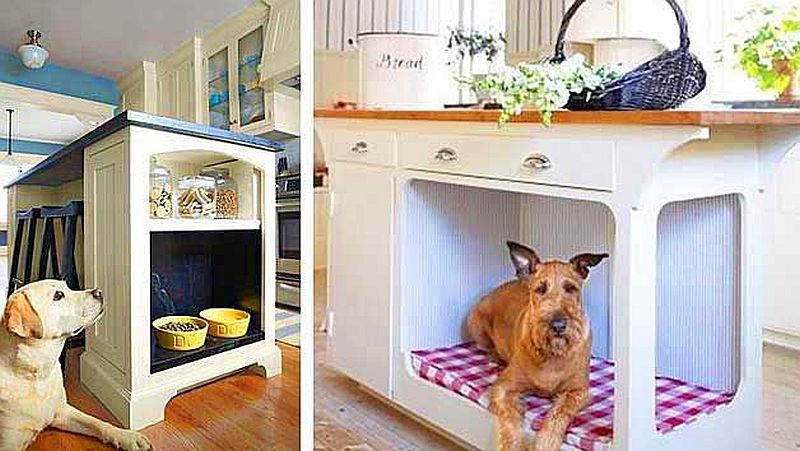
– Provide comfort: washable beds, blankets that smell like family, and raised feeding stations to aid digestion.
2. Supporting Mental Wellness
– Rotate novel objects: cardboard castles, snuffle mats, or frozen treats keep curiosity alive.
– Schedule mini-lessons: five-minute sits, spins, or target training sharpen focus and build confidence.
– Keep a predictable rhythm: consistent walk times and feeding hours lower anxiety.
3. Nurturing the Relationship
– Share daily rituals: gentle brushing, couch cuddles, or supervised outdoor exploration.
– Learn body language: relaxed ears, soft eyes, or wagging tails tell you when to engage and when to back off.
– Celebrate small wins: praise, play, or a healthy snack reinforces good behavior and mutual joy.
Conclusion
A secure, engaging home is one of the greatest gifts we can give our animal companions. By tackling space, budget, and environmental challenges with creativity, owners cultivate a setting where pets thrive and friendships deepen. The payoff is a household filled with calm, happy animals and the quiet satisfaction of knowing we have met our responsibility with heart and foresight.
Recommendations and Future Directions
– Community outreach: local workshops and social media tips can spread awareness about simple, affordable pet-friendly upgrades.
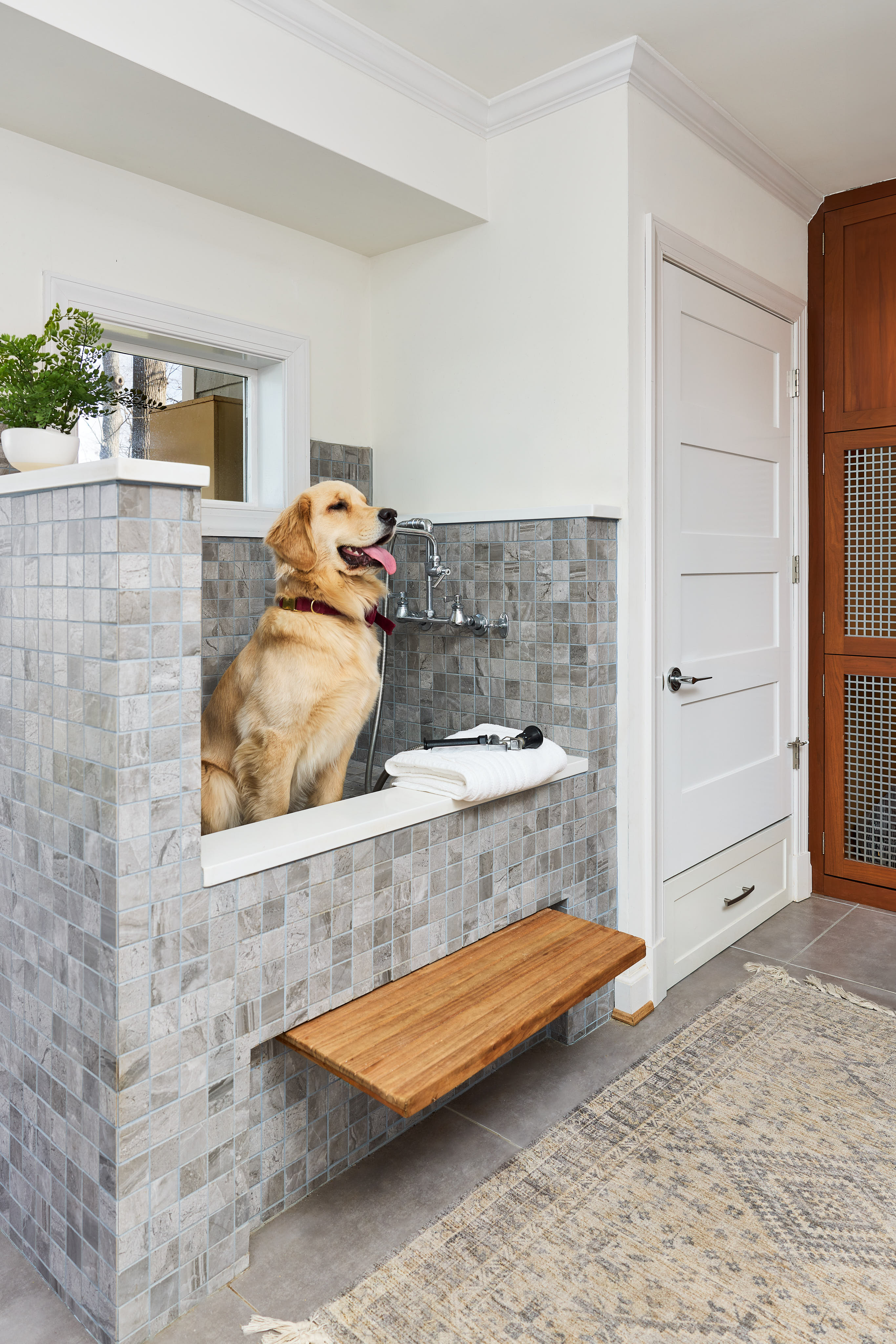
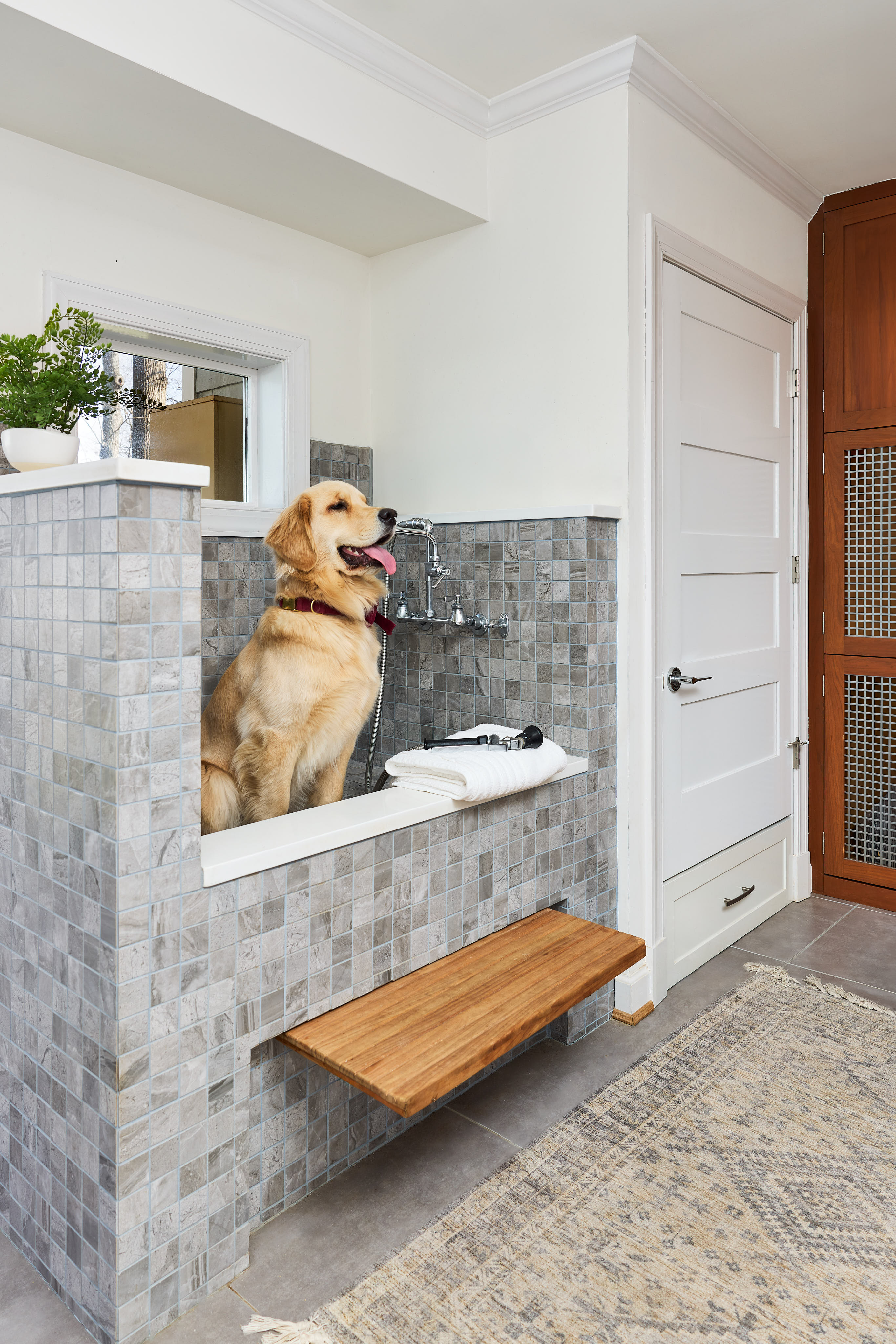
– Supportive guidelines: encouraging landlords and planners to allow pet amenities—such as fenced balconies or wash stations—makes city living easier for everyone.
– Continued study: observing how lighting, sound, and scent affect different species will inspire new enrichment tools and housing ideas.
Ultimately, a pet-friendly home is a shared sanctuary—one that shelters, stimulates, and strengthens the cherished bond between humans and the animals who share their lives.