
The Impact of Pet Photos on Modern Dating Culture
Introduction
In the digital era, dating has transformed dramatically, with swipe-based platforms reshaping how people meet. Among the many profile features that catch the eye, photos featuring pets—especially dogs—have emerged as a standout trend. This article examines why canine snapshots have become so influential, how they shape first impressions, and what they signal about broader social values.
The Rise of Pet Photos
The Popularity of Dog Pictures on Dating Apps
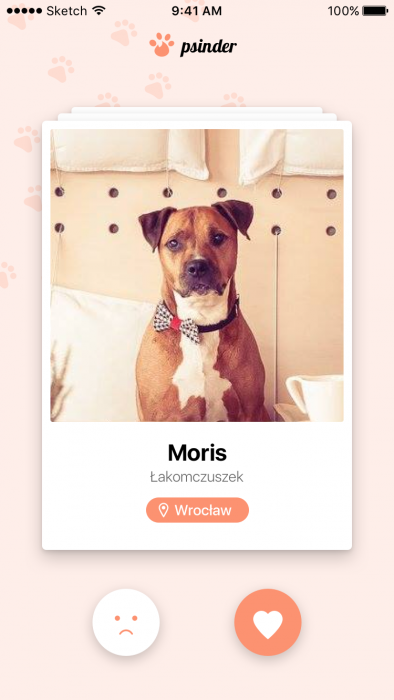
Dog photos now appear on countless profiles, and many users admit they are more inclined to show interest when a furry friend is in the frame. Surveys suggest that profiles showcasing pets are often viewed as more approachable, reflecting a cultural appreciation for warmth, loyalty, and everyday authenticity.
Psychological Reasons for the Trend
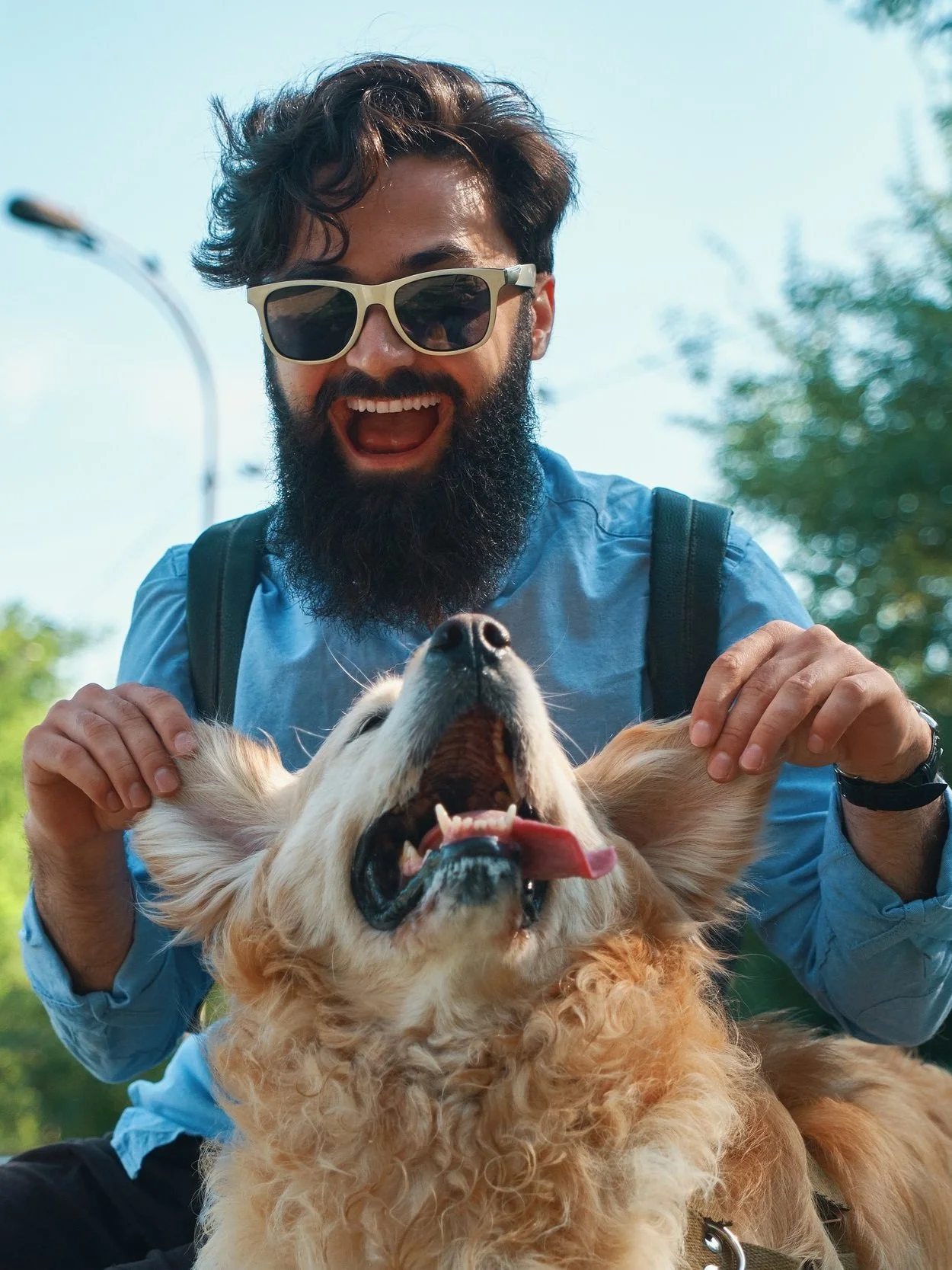
Several mental shortcuts explain the appeal. Dogs are widely associated with trust, companionship, and carefree joy. When someone poses alongside a pet, viewers subconsciously transfer those positive feelings to the person, assuming kindness and reliability. The result is a quicker emotional connection before a single message is sent.
The Impact on User Behavior
Increased Positive Swipes
Independent tests reveal that profiles containing a dog photo receive noticeably more right-swipes than identical profiles without one. The uplift varies by region, but the pattern is consistent: a friendly canine acts like a visual handshake that invites further exploration.
Enhanced Profile Quality Perception
Beyond raw swipe numbers, pet pictures elevate perceived profile quality. Viewers often infer that the person is nurturing, responsible, and comfortable sharing everyday moments. These small assumptions can tip the balance when decisions are made in seconds.
The Perception of Potential Partners
Assumptions and Stereotypes
With popularity come stock assumptions: “dog person equals loyal,” or “pet owner equals sociable.” While many fit the stereotype, others simply enjoy a borrowed boost of likability. The gap between image and reality underscores the need for open conversation once a match is made.
The Role of Dogs in Building Trust
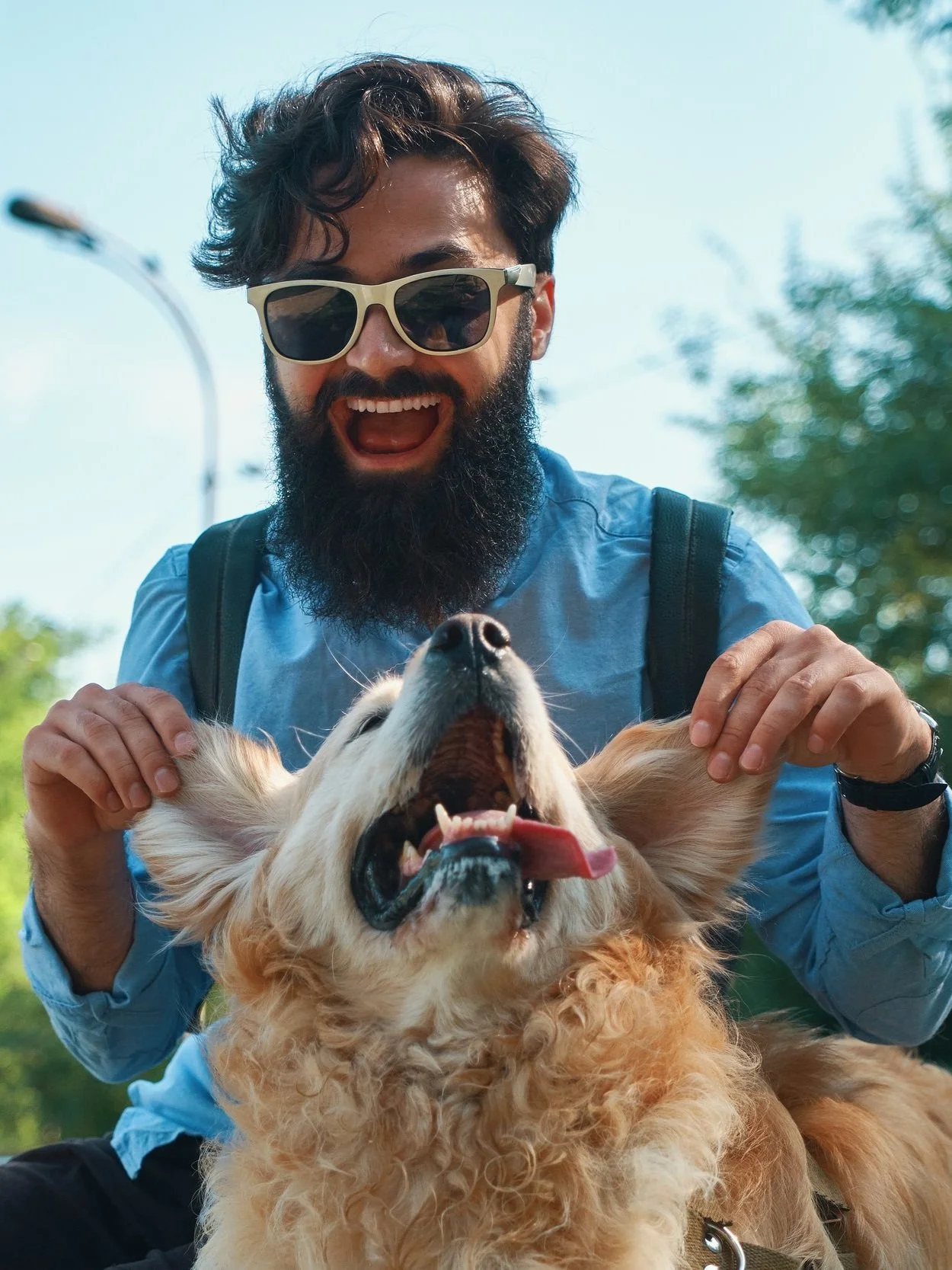
A wagging tail in a photo softens the anonymity of online interaction. The animal acts as a silent referee, signaling safety and reducing the perceived risk of reaching out. In a space where trust is scarce, that furry endorsement can be surprisingly powerful.
Broader Implications for Social Interactions
The Humanization of Online Dating
Pets anchor profiles in real life. By showing a slice of day-to-day existence—morning walks, park outings, couch cuddles—users turn abstract avatars into living, breathing people. This humanizing touch helps bridge the gap between digital introductions and genuine offline chemistry.
The Potential for Miscommunication
Yet the same shortcut that sparks interest can mislead. A borrowed dog or an old snapshot may suggest traits that do not exist, inviting disappointment when the truth surfaces. Clear, honest captions and follow-up chats remain essential to align expectations.
Conclusion
Pet photos have become a quiet force in swipe-based dating, shaping choices in seconds and coloring early judgments. They leverage deep-seated positive associations, encourage interaction, and humanize digital profiles. Still, their power comes with the responsibility to stay truthful. As online courtship evolves, the humble dog picture offers a small lesson: a little warmth goes a long way, but genuine connection still requires open words to match the image.
Recommendations and Future Research
To deepen our understanding of pet imagery in dating, future studies could investigate:
1. The exact emotional triggers that make animal photos so persuasive in split-second decisions.
2. Whether couples who met through pet-centric profiles report higher long-term satisfaction.
3. How different cultures interpret pet ownership signals on dating platforms worldwide.
Exploring these angles will clarify when a cute companion shot helps—and when it might hide more than it reveals.