



The Importance of No-Kill Shelters in Our Neighborhoods
Introduction
Animal welfare has become a growing priority for many towns and cities, with local leaders and residents looking for kinder ways to care for cats, dogs, and other companion animals. Among the most talked-about approaches is the rise of no-kill shelters—safe spaces that promise to save every healthy or treatable animal who comes through their doors. This article looks at why these shelters matter close to home, how they strengthen communities, and what their success can teach the wider world.
The Concept of No-Kill Shelters
Definition and Principles
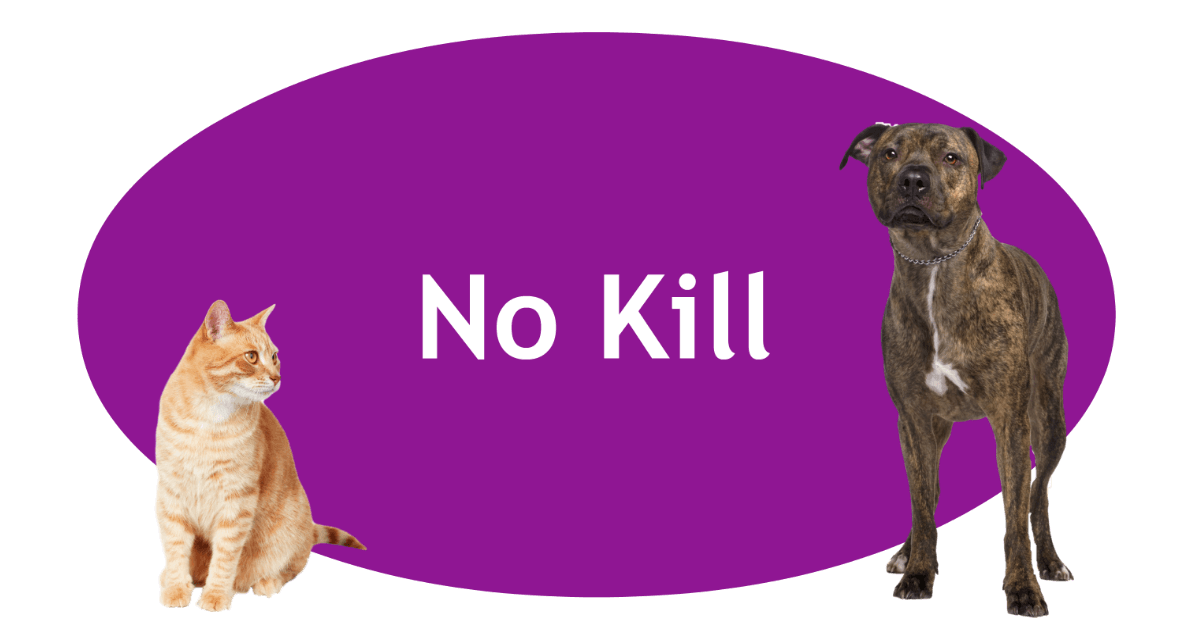
A no-kill shelter commits to ending the killing of animals simply because room is tight or time has run out. Staff and volunteers work tirelessly to match each dog, cat, or small critter with a lifelong family. The guiding belief is simple: every life has worth and every pet deserves the chance to curl up on a loving couch instead of facing a final needle.
Challenges and Solutions
Even with big hearts, these shelters confront real hurdles—especially when more animals arrive than leave. To keep euthanasia off the table, teams run low-cost spay/neuter clinics, weekend adoption events, and transport partnerships that move pets to areas where homes are waiting. Education campaigns about tagging, training, and lifelong commitment also slow the flow of animals through the front gate.
The Impact of No-Kill Shelters in Our Neighborhoods
Community Benefits
When a no-kill shelter opens its doors, the whole block feels the warmth. Stray cats are off the streets, barking dogs find cozy corners, and families gain a trusted place to adopt a new best friend. School groups visit for lessons on kindness, and seniors brighten when therapy pets trot in for cuddles.
Economic Impact
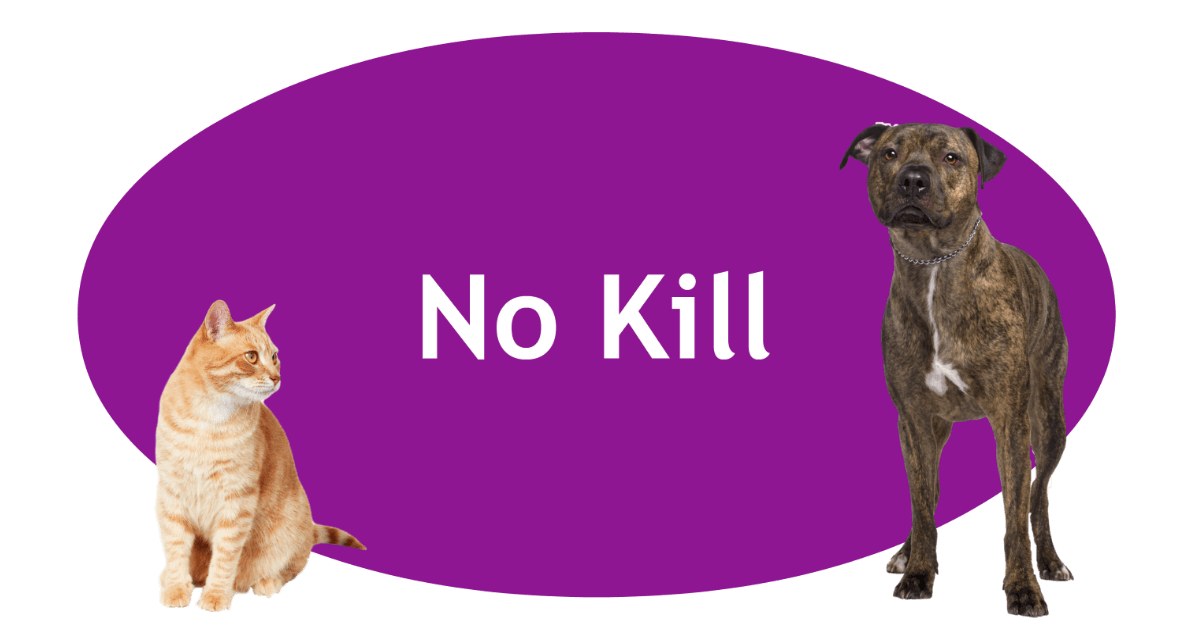
Saving lives also saves money. Fewer animals handled by city animal-control officers means lower pickup and disposal costs. Adoption fees, supply purchases, and volunteer-driven events pour fresh cash into local shops. New jobs—trainers, veterinarians, groomers—sprout around the shelter, turning compassion into steady paychecks.
Animal Welfare
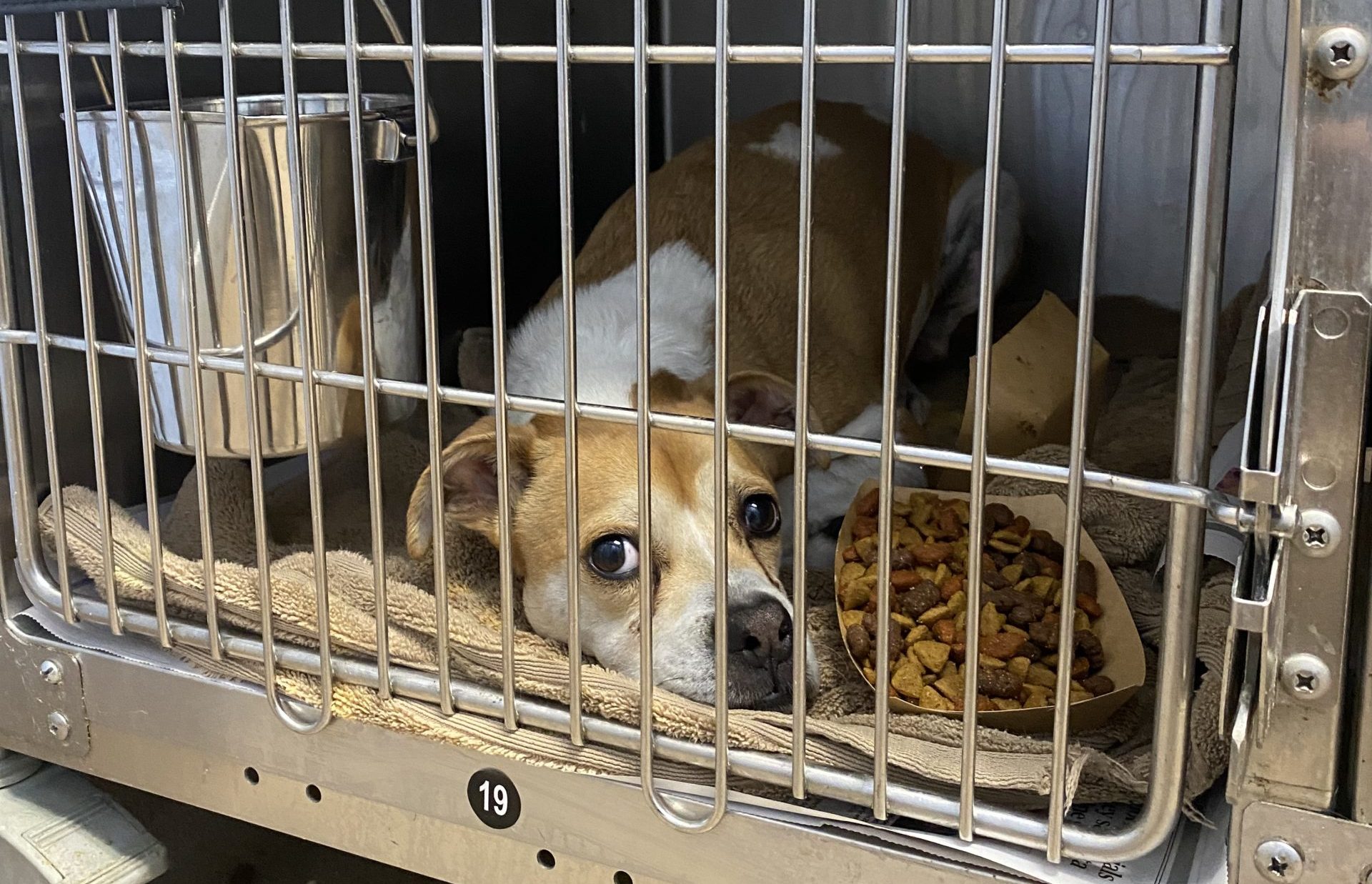
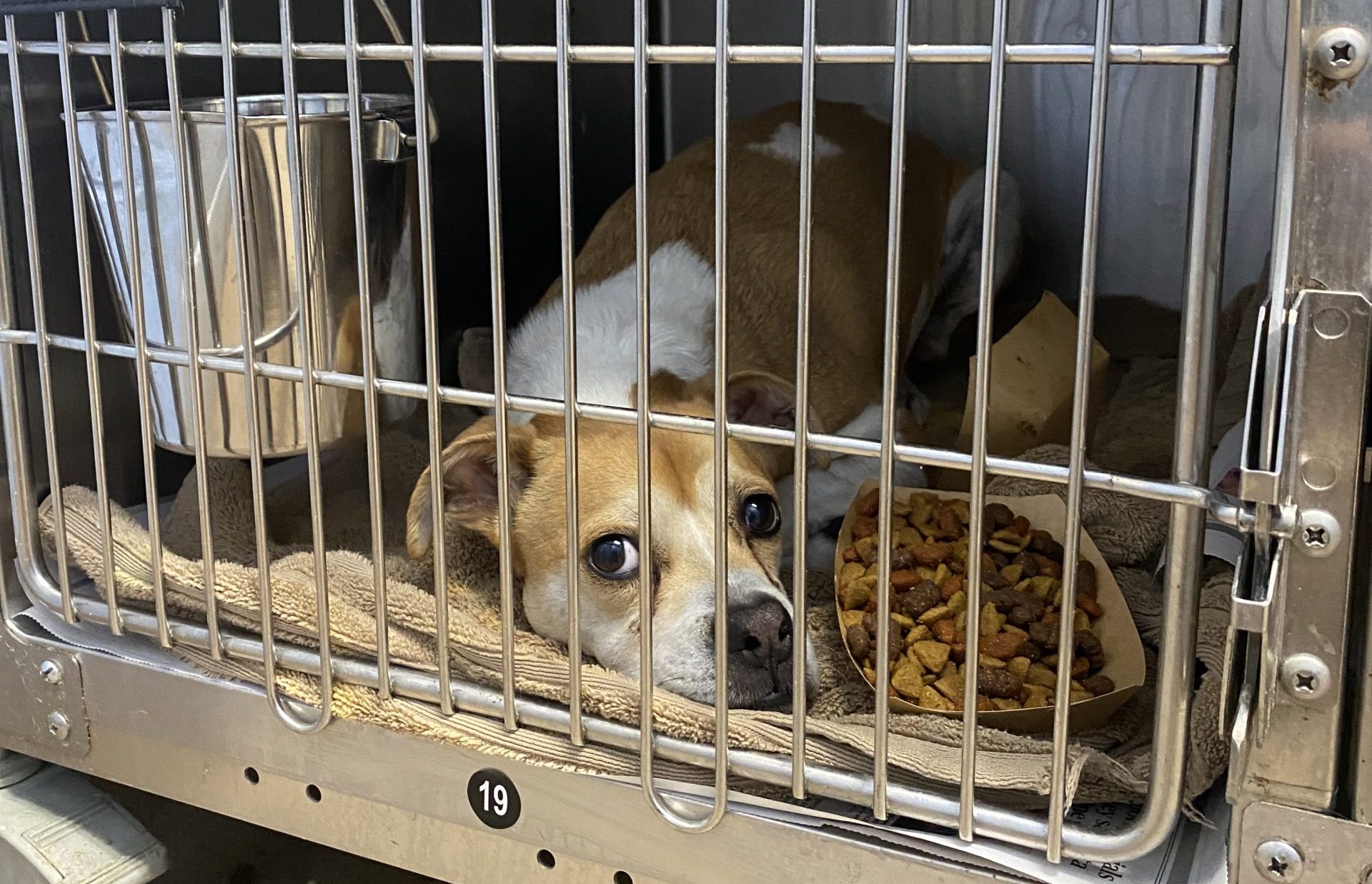
Inside the kennels, animals heal. Emaciated pups gain weight, shy cats learn to trust, and once-broken spirits wag tails again. Knowing that no healthy pet will be put down gives staff the freedom to invest in medical care, behavior work, and enrichment toys that turn cages into stepping-stones toward real homes.
Evidence and Success Stories
Studies on No-Kill Shelters
Peer-reviewed research shows communities with no-kill policies report fewer cruelty complaints and higher adoption rates. Data also reveal that neighborhoods served by these shelters spend less public money on stray control and enjoy a measurable drop in shelter intake over time.
Success Stories
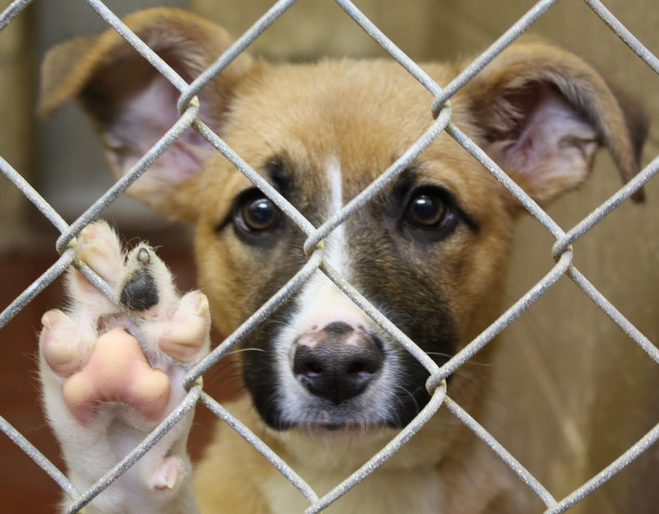
Across the country, once-crowded facilities now celebrate empty kennels on quiet days. Cities that embraced the no-kill philosophy have cut euthanasia by double-digit percentages within just a few years, inspiring nearby towns to follow the same roadmap of compassion and creativity.
The Role of No-Kill Shelters in Our Neighborhoods
Personal Experiences
For many residents, the local no-kill shelter is where childhood memories begin: the first wagging tail at an adoption fair, the senior cat who napped through homework sessions, or the volunteer shift that turned into a lifelong passion for rescue work. These moments weave the shelter into the personal stories that define a community.
Community Involvement
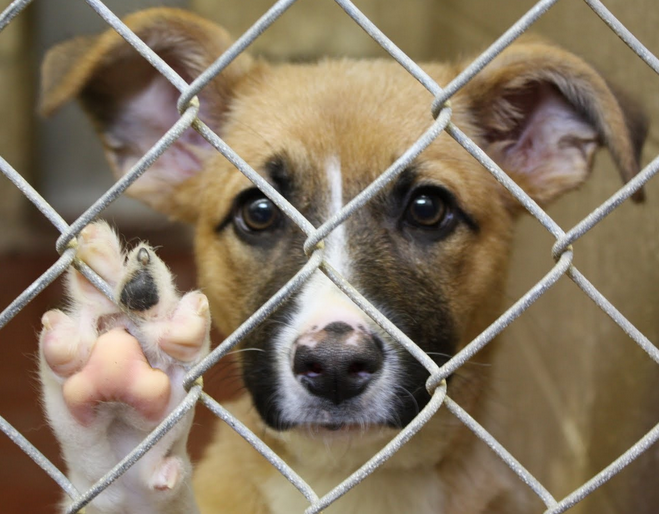
Success depends on neighbors, not just staff. Donating old towels, sharing social-media posts, fostering kittens for a week, or sponsoring a spay surgery—all of it adds up. Libraries host story hours with adoptable rabbits; coffee shops hang flyers of smiling dogs; scout troops build winter shelters for feral colonies. Everyone has a part to play.
Conclusion
No-kill shelters transform streets, living rooms, and hearts. They give animals a second chance, lighten the load on public services, and invite citizens to practice empathy in tangible ways. By standing behind these safe havens, we choose a future where the word “homeless” is temporary, not terminal, for every whiskered life.
Recommendations and Future Directions
Recommendations
To keep the momentum growing, communities can:
1. Expand municipal and private funding so shelters can hire enough staff and provide advanced medical care.
2. Launch creative volunteer programs—weekend dog-running clubs, office cat foster schemes, school art contests that spotlight adoptable pets.
3. Forge stronger alliances among veterinarians, transport groups, and city agencies to tackle overpopulation at its roots.
Future Directions
Next steps for study and innovation include:
1. Tracking long-term health and behavior outcomes for pets adopted from no-kill facilities.
2. Comparing the success of different adoption-event styles, fee-waiver days, and foster-to-adopt models.
3. Harnessing apps, livestream kennels, and social media campaigns to speed up matchmaking between pets and people.
By nurturing no-kill shelters today, we paint a tomorrow where every tail wag and gentle purr echoes through caring neighborhoods for years to come.


