Dogs in Need: A Comprehensive Look at Canine Welfare and Support
Introduction
Millions of dogs around the world live without stable homes or adequate care. Whether they roam city streets or live in households that cannot meet their basic needs, these animals face daily hardships that shorten their lives and diminish their well-being. This article reviews the main factors that place dogs at risk, the consequences for both animals and communities, and the most effective responses observed so far. By presenting a balanced overview, we hope to encourage informed, compassionate action that benefits dogs and the people who share their neighborhoods.
The Plight of Dogs in Need
Definition and Scope
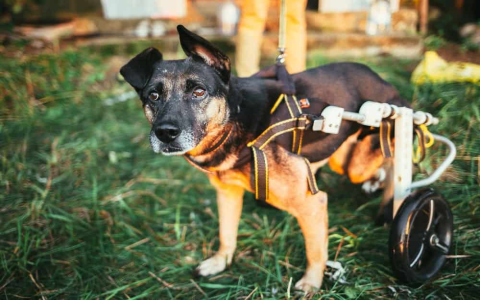
A dog “in need” may be a stray searching for food, a pet kept on a short chain with little shelter, or an animal rescued from an unsafe environment. Common problems include poor diet, untreated illness, and constant exposure to extreme heat or cold. The category also covers dogs whose owners can no longer care for them and those awaiting adoption in overcrowded facilities.
Causes of Canine Homelessness and Neglect
Financial strain, limited access to veterinary services, and low awareness of basic care standards all contribute to the problem. In some regions, dogs are viewed primarily as guards or pest controllers rather than family companions, which can lead to minimal investment in their health and happiness.
The Impact of Canine Homelessness and Neglect
Health Consequences
Without regular meals, vaccinations, and routine check-ups, dogs are prone to infections, parasites, and chronic conditions that could otherwise be prevented or treated early. Malnutrition weakens immunity, while open wounds and skin problems often go unattended.
Social and Psychological Impact
Dogs are social animals that form strong attachments. When left alone for long hours or repeatedly rehomed, many show signs of stress such as excessive barking, withdrawal, or destructive behavior. Puppies separated too early from their mothers may struggle to develop normal social skills.
Economic Costs
Communities bear hidden expenses: emergency vet visits funded by charities, shelter operations supported by donations, and public health measures to control disease outbreaks among unvaccinated animals. Redirecting even a fraction of these resources toward prevention could save money and improve outcomes for both dogs and people.
Initiatives to Help Dogs in Need
Animal Shelters and Rescues
Shelters provide immediate safety, nutritious food, and medical attention. Staff and volunteers evaluate behavior, address health issues, and match dogs with adopters whose lifestyles suit each animal’s needs. Many facilities also run foster programs that give dogs a temporary home while they recover physically and emotionally.

Community Programs
Mobile spay-and-neuter clinics, low-cost vaccination events, and school talks on humane care help reduce the number of unwanted litters and common illnesses. Local partnerships with veterinarians and pet-supply stores create a support network that keeps pets in their original homes whenever possible.
Government Policies
Clear regulations setting minimum standards for shelter, food, water, and medical care give enforcement agencies the tools to intervene before situations become critical. Some cities provide small grants to shelters that meet transparency benchmarks, encouraging best practices and accountability.
Challenges and Solutions
Funding and Resources

Donations fluctuate with economic cycles, yet utility bills, medical supplies, and staff training remain constant expenses. Successful organizations diversify income through membership drives, social-media fundraising, and mutually beneficial agreements with local businesses.
Public Awareness and Education
Simple messages—such as the benefits of sterilization, the importance of annual vet visits, and the commitment a dog needs for life—are most effective when repeated in multiple places: schools, vet clinics, parks, and online forums. Visual stories of successful adoptions often motivate more people to adopt rather than shop.
Legal Framework
Effective laws balance education with enforcement. Graduated penalties that start with warnings and offer free compliance resources encourage owners to improve conditions without immediately resorting to confiscation, which can overwhelm shelters. At the same time, clear consequences for repeated neglect deter careless behavior.
Conclusion

Improving life for dogs in need is a shared responsibility that spans individual choices, community action, and policy design. When shelters, veterinarians, educators, and lawmakers work together, the number of suffering animals declines and neighborhoods become safer and more welcoming for everyone.
Recommendations and Future Research
To build on current progress, the following steps are suggested:
1. Expand sustainable funding models for shelters and spay-neuter services.
2. Launch year-round awareness campaigns that highlight adoption, foster care, and responsible ownership.
3. Update animal-welfare legislation to reflect modern standards of care and enable proactive intervention.
4. Support studies that identify the most successful rehabilitation techniques for fearful or traumatized dogs.
Future research should explore:
1. Long-term health and behavior outcomes for dogs adopted after extended shelter stays.
2. Comparative effectiveness of community-based sterilization programs in urban versus rural settings.
3. Economic benefits of preventive care measured against the costs of managing large stray populations.
By directing attention, funding, and compassion toward dogs in need, society fosters empathy and creates healthier environments for both animals and people.