



The Animal Relocation Initiative: A Lifeline for Homeless Pets
Introduction
A nationwide relocation initiative offers a fresh start to pets at risk of euthanasia in overcrowded facilities. By moving animals from regions where cages are full to communities ready to welcome them, the program curbs unnecessary loss of life and promotes responsible pet adoption. This overview explores how the system works, its achievements, and the wider lessons it offers for animal welfare.
The Background of the Program
The effort began when advocates recognized that healthy, adoptable animals were being euthanized simply because local shelters lacked space or adopters. Transport networks were created to shift these pets to areas where demand for companions outweighs supply. Partnering shelters, volunteer drivers, and veterinary teams coordinate each move so that animals arrive healthy, vaccinated, and ready for new homes.
The Process of Relocation
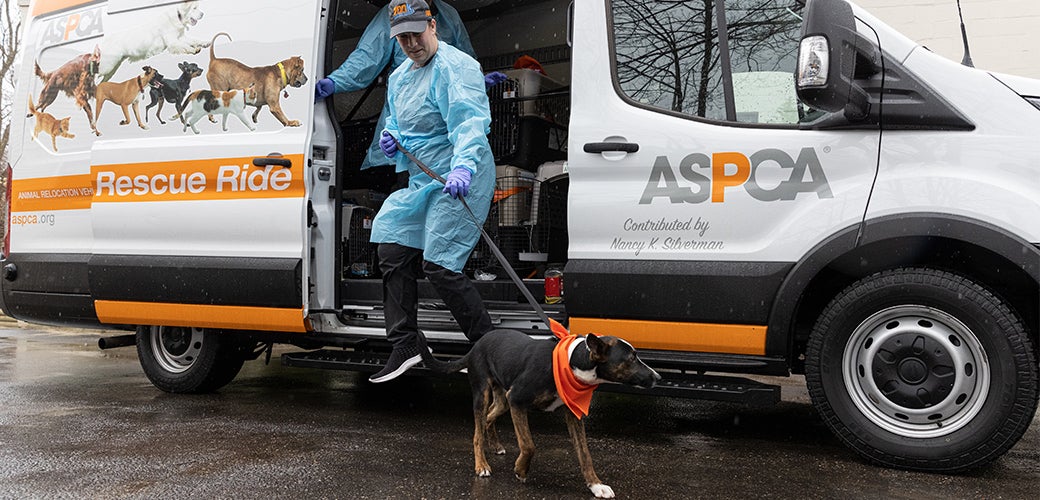
Every transfer follows a strict checklist. Veterinarians examine each animal, update vaccinations, and record medical history. Animals travel in climate-controlled vehicles with scheduled rest stops. On arrival, receiving shelters conduct behavioral assessments, photograph the newcomers, and list them on adoption websites within hours. This rapid turnaround shortens shelter stays and reduces stress.
The Impact So Far
Since its launch, the initiative has moved tens of thousands of dogs and cats from crowded facilities to places where they are adopted quickly. Euthanasia rates in participating source shelters have dropped noticeably, while destination shelters report shorter average lengths of stay and higher adoption revenues. Communities also save on housing and medical costs for animals that would otherwise remain in care for months.
Testimonials and Success Stories
A once-overlooked hound found his forever family after a 1,000-mile journey, transforming from a shy kennel resident to a hiking companion in the mountains. A senior cat, previously passed over for kittens, settled into a quiet home where she now supervises her owner’s home office. Stories like these repeat weekly, encouraging more shelters to join the transport network.
Challenges and Controversies
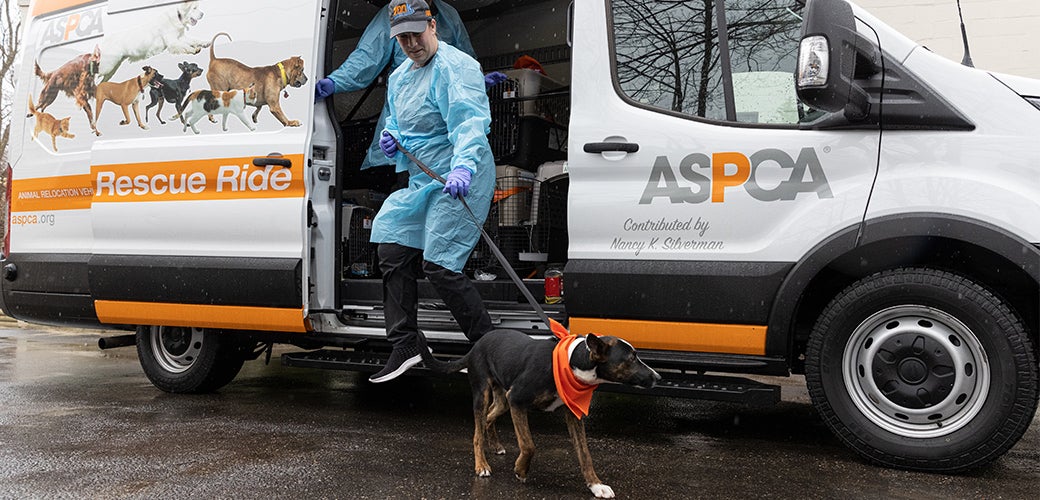
Long-distance travel demands careful scheduling to prevent heatstroke or anxiety. Weather delays, vehicle breakdowns, and paperwork errors can complicate trips. Critics also note that relocation treats the symptom, not the root cause—uncontrolled breeding. Supporters respond that while spay-and-neuter campaigns expand, transport saves the animals already born.
The Broader Implications
The program demonstrates that sheltering is a shared national responsibility rather than a local burden. Data exchanges between partners allow better forecasting of intake trends, and standardized health protocols raise overall care quality. Other nonprofits have copied the model for rabbits, guinea pigs, and even farm animals, proving its versatility.
Conclusion
By moving pets from places of scarcity to places of promise, the relocation initiative turns surplus into adoption success. Continued donor support, volunteer drivers, and vigilant welfare checks will determine how many more lives can be rewritten with happy endings.
Recommendations and Future Research
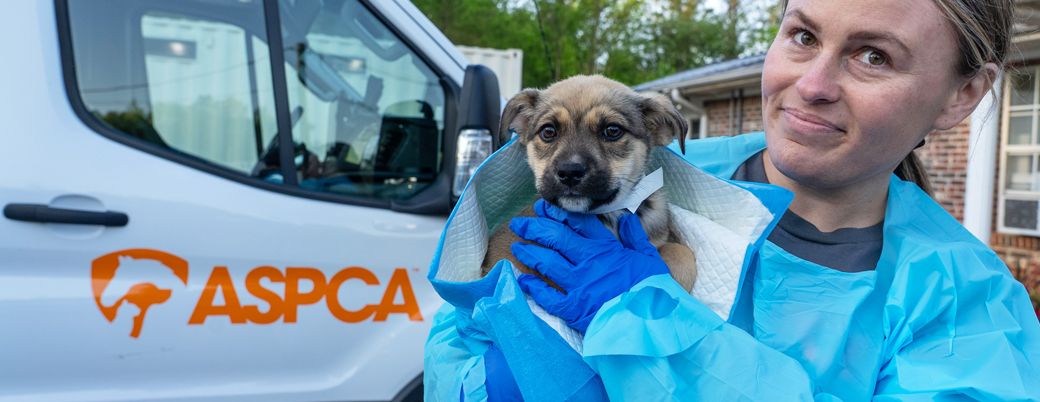
To strengthen the effort, stakeholders suggest:
1. Expand low-cost spay-neuter campaigns in source regions to reduce future overpopulation.
2. Track adopted animals for at least one year to measure retention and inform travel preparation.
3. Increase the number of trained volunteer transporters so that no request for help goes unanswered.
Together, these steps can extend the reach of a simple yet powerful idea: every healthy animal deserves a safe ride to a loving home.


