British Shorthair Cats: A Friendly Guide for Prospective Owners
Introduction
The British Shorthair, with its plush coat, round face, and easy-going personality, has become a favorite among cat lovers. Across many regions, interest in this calm companion continues to grow. This overview highlights the breed’s key traits, common health considerations, and the value of working with caring, responsible breeders.
Characteristics of British Shorthair Cats
Appearance
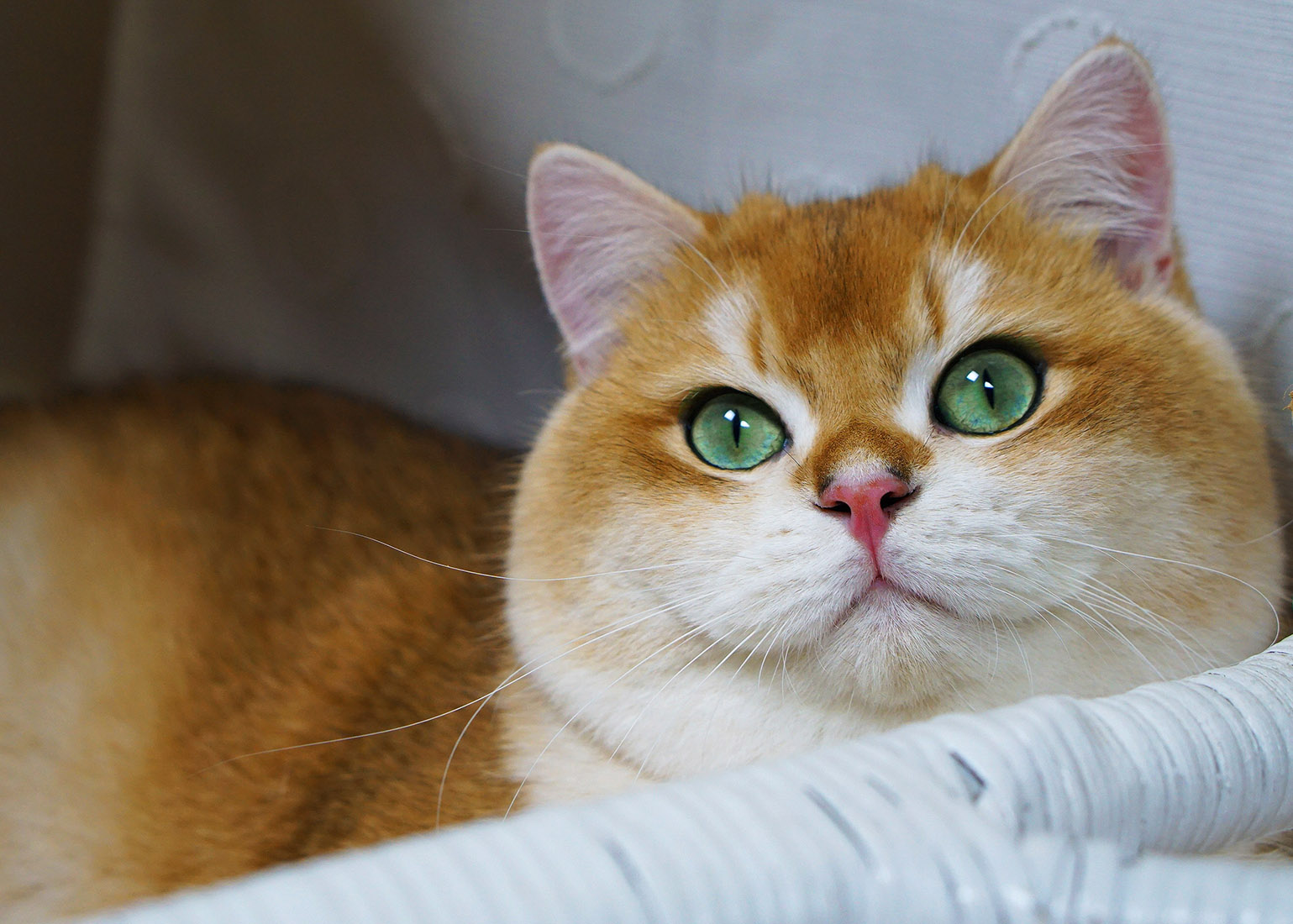
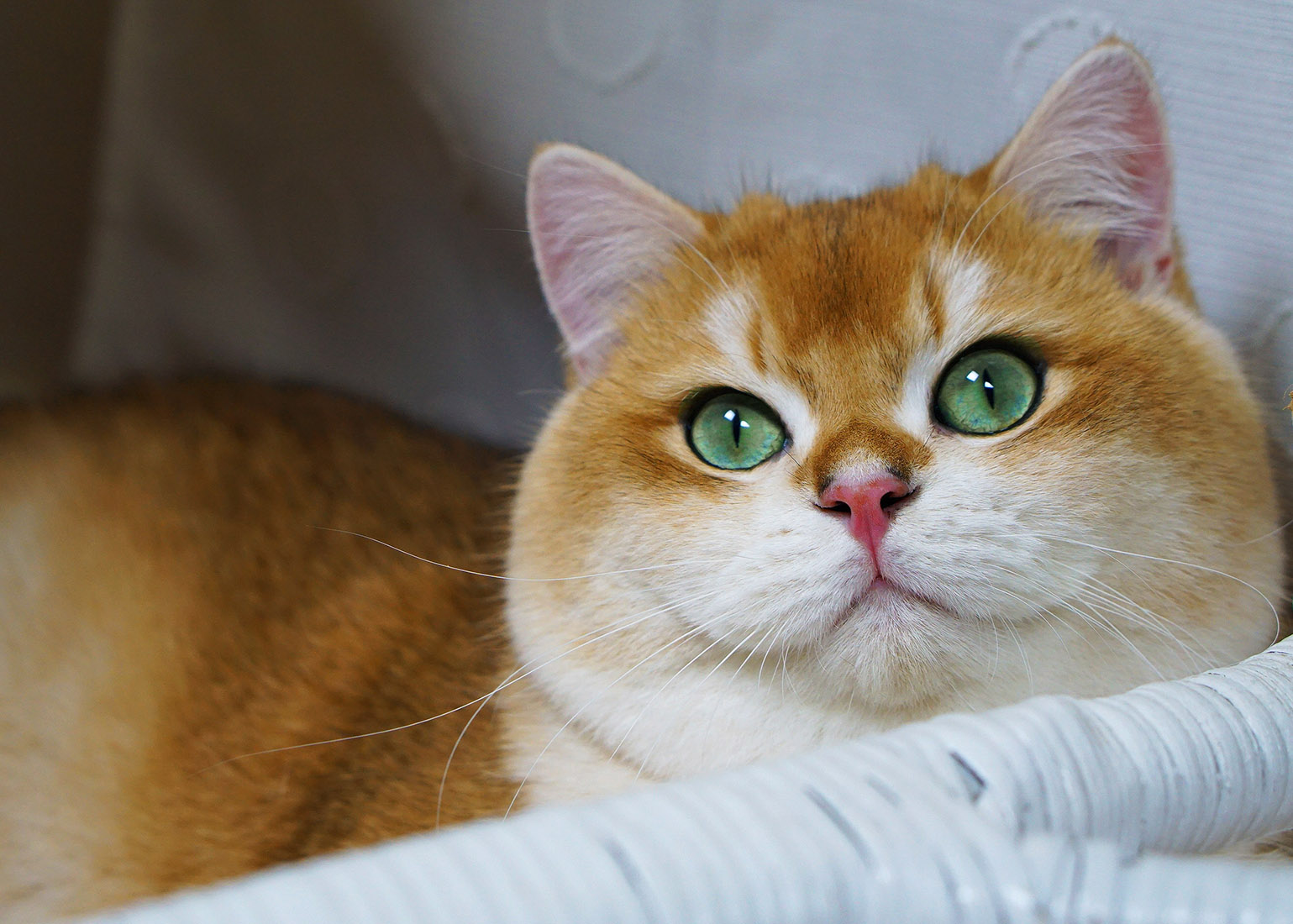
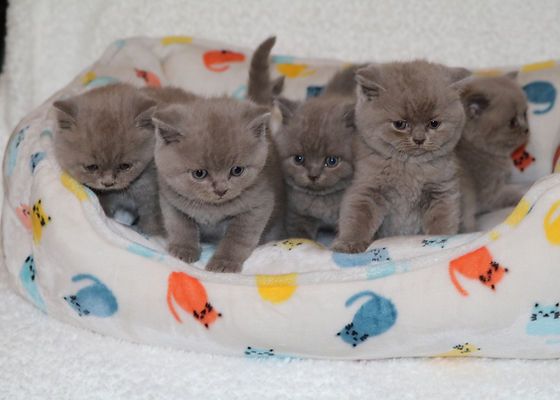
British Shorthairs sport a sturdy body, a broad chest, and a famously round head topped with large, wide-set eyes. Their short, dense coat comes in numerous colors and patterns, from classic blue to playful tabby and bi-color mixes.

Temperament
These cats are known for their relaxed, affectionate nature. They usually get along well with children, other cats, and respectful dogs, making them a pleasant fit for many households. Their quiet voice and moderate activity level also suit apartment life.
Health
Generally robust, British Shorthairs can still inherit certain conditions. Reputable breeders screen their cats regularly and share transparent health records to give kittens the best start possible.
Finding British Shorthair Cats
Breeder Selection
Look for breeders who raise kittens indoors, provide early socialization, and willingly discuss health testing, vaccination schedules, and after-sale support. A written health guarantee and a take-back clause are good signs of ethical practice.
Online Resources
Trusted adoption sites, national breed clubs, and social media groups can direct you to well-reviewed breeders or adults in need of re-homing. Always verify references and, when possible, arrange a video call or visit before committing.
Local Cat Shows
Regional feline exhibitions offer a chance to meet breeders face-to-face, observe cats’ temperaments, and ask questions about grooming, diet, and lineage without pressure to buy on the spot.
Health Concerns and Responsible Breeding
Genetic Disorders
Like any pedigree, British Shorthairs may carry hereditary issues such as hypertrophic cardiomyopathy or polycystic kidney disease. DNA tests and annual cardiac scans help responsible breeders reduce these risks.
Breeding Practices
Ethical breeders limit the number of litters per queen, provide spacious, clean living areas, and prioritize temperament equally with appearance. They also ensure kittens stay with their mother until at least twelve weeks of age.
The Importance of Responsible Breeding
Ensuring Healthy Cats
Thoughtful pairings and continuous health monitoring produce kittens that are not only beautiful but also more likely to enjoy long, comfortable lives.
Preserving the Breed
By following established standards and prioritizing genetic diversity, dedicated breeders help maintain the British Shorthair’s charming look and steady disposition for future generations.
Conclusion
Bringing a British Shorthair into your home can add quiet charm and loyal companionship. By choosing a conscientious source, staying informed about health care, and supporting humane breeding values, you lay the groundwork for many happy years together.
Recommendations and Future Research
Ongoing efforts to protect and improve the breed could include:
– Expanding accessible genetic panels to detect emerging conditions early.
– Sharing best-practice guidelines on socialization, nutrition, and exercise with new owners.
– Encouraging adoption from reputable rescues alongside support for transparent, welfare-focused breeders.
Through collaboration and education, enthusiasts can help British Shorthairs continue to thrive as healthy, affectionate companions in homes everywhere.