Title: Finding Safe Homes for Dogs: Challenges and Practical Answers
Introduction
The call to find every dog a safe, loving home is now heard in many communities. It draws attention to the steady number of dogs living on the streets and the importance of responsible guardianship. This overview looks at why dogs lose their homes, how their presence affects neighborhoods, and which practical steps can turn the situation around.
Reasons for the Increase in Stray Dogs
Many dogs are abandoned when owners underestimate the cost, time, and commitment involved. Changes in housing rules, family allergies, or simple inconvenience often lead to pets being left behind. At the same time, limited access to affordable spay and neuter services allows new litters to appear faster than homes can be found.
Consequences of Stray Dogs
Free-roaming dogs can frighten pedestrians, spread parasites, and upset local wildlife by competing for food. Accumulated waste in parks and sidewalks also lowers quality of life for residents. Without regular vaccination, even common viruses can move quickly through both street and pet populations.
Strategies to Address the Problem
A lasting solution requires several angles of action:
1. Responsible Pet Ownership
Clear guidance on training, exercise, sterilization, and lifetime care helps future owners make informed choices. Simple contracts at the point of adoption, combined with follow-up support, reduce the chance that a dog will later be dumped.

2. Animal Control Measures
Well-run shelters, consistent sterilization drives, and humane capture of unsocialized dogs keep numbers in check. Returning treated, vaccinated dogs to safe zones or placing them in foster networks prevents endless breeding cycles.
3. Public Awareness and Education
Local events, school talks, and social media posts can explain the benefits of adoption and the realities of daily care. When people understand the effort involved, impulse decisions drop and more animals stay in stable homes.
4. Collaboration with Non-Governmental Organizations (NGOs)
Volunteer groups often supply extra veterinary staff, fundraising skills, and foster homes. Partnerships between city services and these organizations stretch limited budgets and keep programs running year-round.
Case Studies and Success Stories
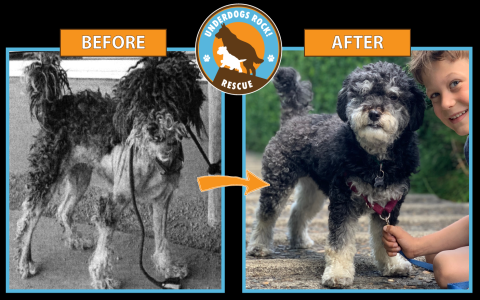
Several regions have seen sharp declines in street dogs after combining sterilization campaigns with community education. In one coastal city, monthly neighborhood clinics and a lively adoption fair cut the roaming population by half within three years. Similar joint efforts in a land-locked province placed over a thousand formerly stray dogs into permanent homes in a single season.
Conclusion
The goal of a safe home for every dog is achievable when owners, local agencies, and volunteers share knowledge, resources, and compassion. By preventing unwanted litters, supporting new adopters, and offering second chances to dogs already on the street, communities can replace the sight of wandering animals with the happier picture of pets secure beside their families.
In short, steady sterilization programs, clear education, and strong cooperation among citizens and organizations can transform the idea of “a dog in every good home” from slogan to everyday reality.