



Discovering Companion Animals in Your Neighborhood: A Friendly Guide to Local Adoption
Introduction
Bringing a new four-legged family member home is both thrilling and a little daunting. Thanks to modern tools and community networks, locating adoptable animals nearby is easier than ever. This guide walks you through the perks of choosing a local pet, the typical steps involved, and the key points to think about before signing the papers. By the end, you’ll feel confident about opening your door—and heart—to a pet who needs you.
The Benefits of Adopting Local Pets
Supporting Nearby Shelters and Rescue Groups
When you adopt from a neighborhood shelter or foster-based rescue, you help keep vital programs alive. Adoption fees and donations fund medical care, food, and safe spaces for animals waiting for homes, allowing these groups to continue their lifesaving work.

Discouraging Mass-Breeding Operations
Large-scale breeding facilities often put profit ahead of animal welfare. Choosing adoption over purchase reduces demand for commercially bred pets, nudging the market toward more humane practices.
Boosting Community Animal Welfare
Every local adoption frees up space for another animal in need and creates a ripple effect of compassion throughout the community.
Finding Pets Near You
Online Platforms and Social Networks
Searchable databases and neighborhood forums let you filter by species, age, size, and temperament. Many sites update daily, so checking in regularly increases your chances of meeting the perfect match.
Nearby Shelters and Foster Groups
Nothing beats an in-person visit. Walking through kennels or meeting foster parents gives you a real sense of an animal’s personality and energy level.
Personal Recommendations
Let friends, coworkers, or the local dog-park crowd know you’re looking. Word of mouth often uncovers pets who haven’t been listed online yet.
The Adoption Process
Meeting Animals in Person
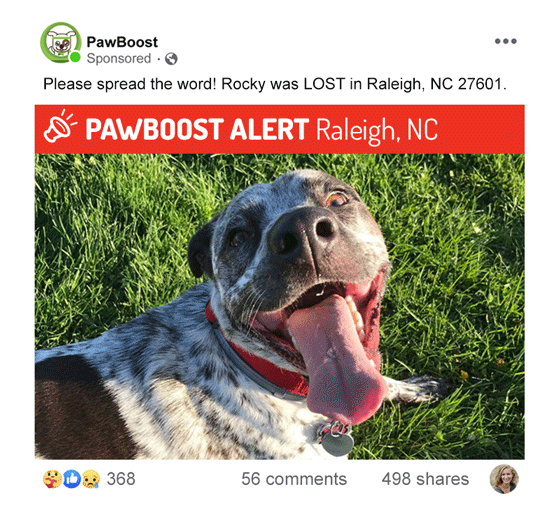
Take your time. Sit with the cat, walk the dog, or watch the rabbit explore a playpen. Small interactions reveal big clues about compatibility.
Completing an Application
Expect questions about your living situation, schedule, and past pet experience. Honest answers help staff pair you with an animal whose needs fit your lifestyle.
Home Check and Conversation
Some organizations schedule a quick home visit or virtual chat to confirm your space is safe and suitable. Think of it as a friendly double-check, not an exam.
Finalizing the Adoption
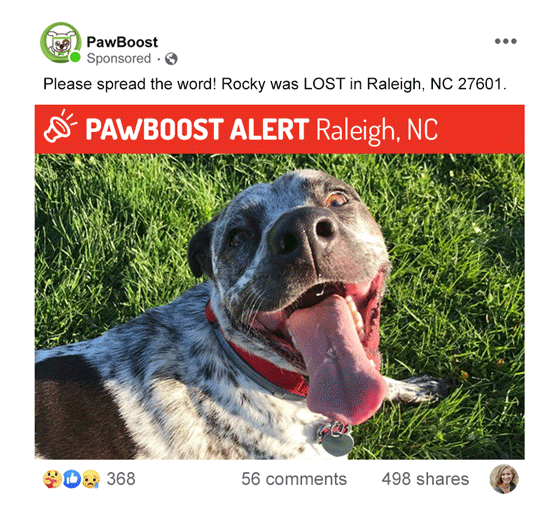
Once approved, you’ll pay a fee that usually covers spay/neuter, initial vaccines, and microchipping. After the paperwork is signed, your new companion is ready to head home.
Considerations Before Adopting
Health and Behavior Needs
Ask about medical history and observed behaviors. Some pets thrive with extra patience, training, or ongoing vet care—make sure you’re ready for the commitment.
Lifelong Responsibility

Dogs can share your life for a decade or more; cats often longer. Ensure your future plans—moves, job changes, growing families—include room for a pet.
Budgeting for Care
Factor in food, routine checkups, emergency vet visits, toys, and insurance. A clear budget prevents surprises and keeps your pet healthy and happy.
Conclusion
Adopting locally is a simple act with profound impact: you gain a loyal companion, a shelter gains space, and your community becomes kinder. Use the steps above to start the journey, and enjoy the moment when a grateful tail wags—or a soft purr—fills your home.
Future Research and Recommendations
More studies could explore how digital tools influence adoption success rates and long-term pet retention. Shelters might also test new outreach methods—like pop-up meet-and-greet events—to connect more animals with loving homes. Continued innovation and compassion will keep moving us toward a day when every pet has a place to belong.


