Title: A Friendly Guide to Merle-Coated Pitbull Puppies: Traits, Care, and What to Know
Introduction
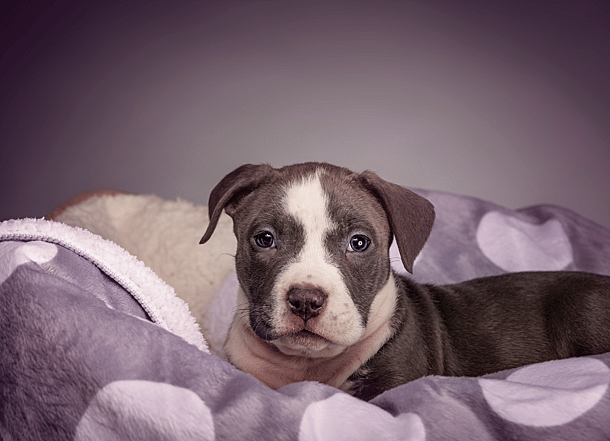
Merle-patterned Pitbull puppies have become increasingly popular thanks to their eye-catching coats and spirited personalities. This guide offers a clear overview of what makes these pups special, how to look after them, and what future owners should think about before bringing one home. By gathering trusted advice from veterinarians and experienced trainers, we hope to help readers decide whether this colorful companion is the right fit for their household.
Characteristics of Merle-Coated Pitbull Puppies
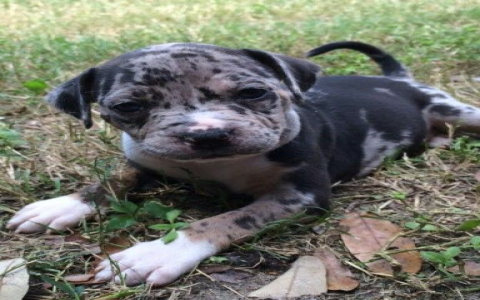
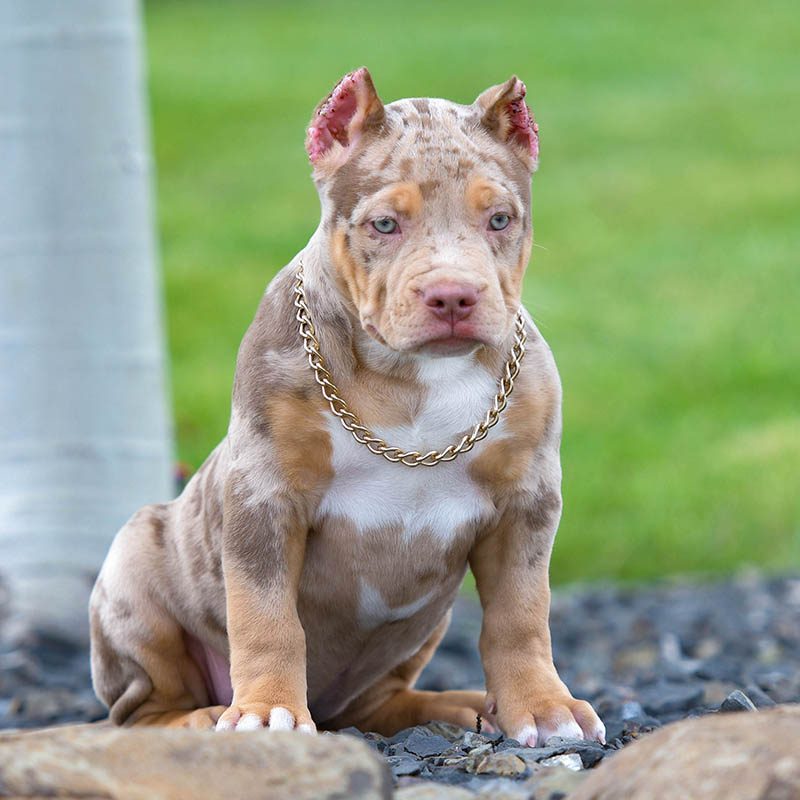
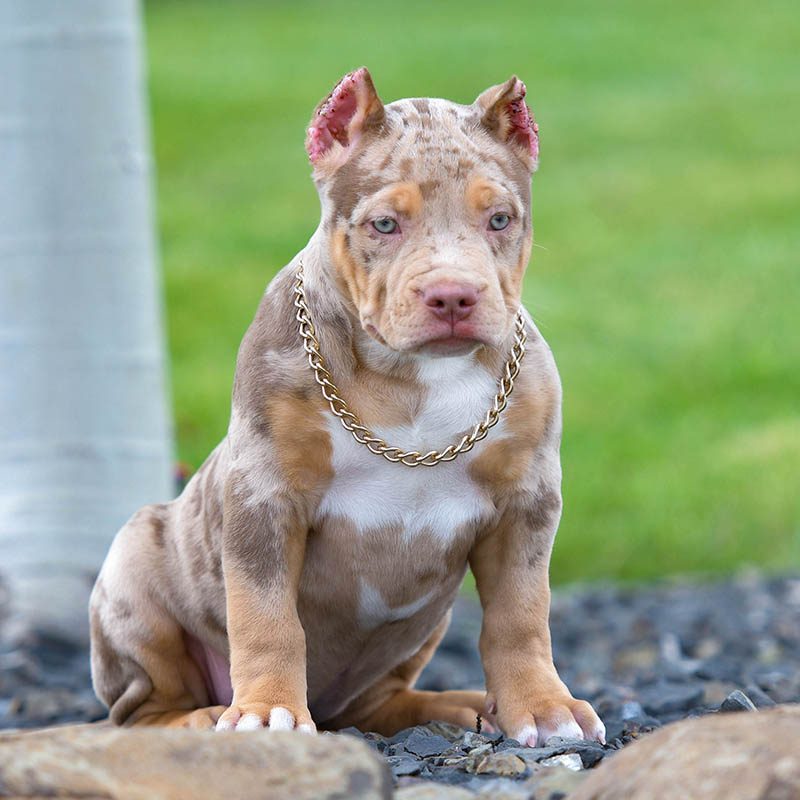
The merle look comes from a dominant gene that creates splashes of lighter color against a darker base coat. Shades can range from soft silver to deep charcoal, often mixed with white patches. No two merle patterns are exactly alike; some pups show only a few light spots, while others appear almost white with scattered color.
Besides their coat, merle puppies sometimes have lighter noses, lips, or eye rims. Occasionally the same gene that produces the pretty pattern is linked to reduced vision or hearing, so early health checks are wise.
Temperament of Merle-Coated Pitbull Puppies
Most owners describe these pups as affectionate, people-oriented, and eager to please. They usually bond quickly with family and enjoy being part of daily activities. Like any youngster, individual personality varies—some are laid-back cuddlers, others are playful explorers.
Early, positive exposure to new sights, sounds, and friends helps them grow into confident adults. Reward-based lessons and consistent routines work best for teaching good manners.
Care Requirements for Merle-Coated Pitbull Puppies
Raising a healthy, happy merle pup involves a few key areas:
1. Nutrition: Choose a high-quality puppy food recommended by your vet and divide daily meals into three or four small servings to support steady growth.
2. Exercise: Short walks, gentle games, and safe chew toys burn energy without stressing young joints. Aim for several activity sessions spread through the day.
3. Grooming: A soft bristle brush once or twice a week keeps the short coat shiny and removes loose hairs. Regular nail trims and ear checks round out the routine.
4. Health care: Schedule puppy vaccinations, deworming, and monthly parasite prevention as advised by your clinic. Mention any vision or hearing concerns during visits so your vet can monitor development.
Considerations for Potential Owners
Before welcoming a merle Pitbull pup into your life, weigh the following points:
1. Local rules: Some cities or housing complexes restrict certain breeds or sizes. Confirm that a Pitbull-type dog is allowed where you live.
2. Time commitment: Puppies need daily training, play, and companionship for many years. Make sure your lifestyle can accommodate a lively, social dog long term.
3. Training plan: Budget for puppy classes, safe chew items, and plenty of patience. A well-socialized merle Pitbull becomes a joyful, trustworthy family member.
Conclusion
Merle-coated Pitbull puppies combine striking looks with devoted hearts. By understanding their grooming needs, exercise requirements, and social nature, you can decide whether you’re ready for the rewarding journey of raising one. Responsible ownership—steady training, routine vet care, and lots of love—turns these colorful pups into lifelong companions.
This overview highlights the essentials: unique appearance, affectionate temperament, and the daily care that keeps them thriving. Approach adoption or purchase thoughtfully, and you’ll gain a faithful friend who brightens every day.
Continued study into merle genetics, positive-training methods, and long-term wellness will further support owners and breeders in nurturing healthy, happy dogs for years to come.