


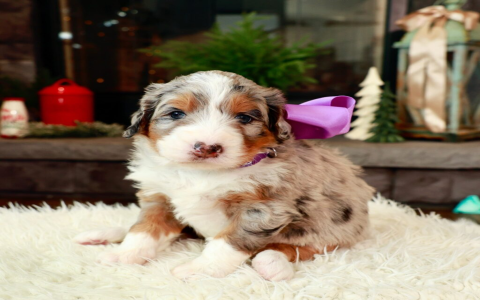
Bernedoodle: A Friendly Hybrid Overview
Introduction
The Bernedoodle, a mix between the Bernese Mountain Dog and the Poodle, has captured hearts across the country. This crossbreed blends the calm devotion of the Bernese with the keen mind and low-shed coat of the Poodle. In the following overview we look at what makes these dogs so appealing, why they thrive in varied settings, and how owners can keep them happy and healthy.
Key Traits
Most Bernedoodles are medium to large, solidly built, and wrapped in soft, wavy or curly fur that ranges from tri-color patches to solid cream. Their coats are often described as allergy-friendly, though individual reactions vary. Intelligent and eager to please, they pick up cues quickly and enjoy games that challenge both brain and body.
Family life suits them well. They form tight bonds, are patient with children, and usually welcome other pets when introduced properly. Daily walks, play sessions, and mental puzzles keep their tails wagging and prevent boredom-related mischief.

Rising Popularity
Open backyards, parks, and moderate climates give these active companions room to roam, helping explain their surge in demand. Social media feeds filled with fluffy faces have also fueled interest, while word-of-mouth praise from happy owners continues the trend.
Prospective guardians value the breed’s affectionate nature, trainability, and reduced shedding. Whether joining a lively household or keeping a single person company, the Bernedoodle adapts with surprising ease.
Community Paw-print
Local meet-up groups organize playdates, share grooming tips, and arrange charity walks, strengthening neighborhood ties. Some well-mannered individuals even volunteer as therapy visitors, spreading calm in schools, libraries, and care homes.
Responsible breeders and clubs emphasize health testing, early socialization, and lifelong owner support, setting a standard that benefits both dogs and the wider community.

Points to Consider
Like any crossbreed, Bernedoodles can inherit conditions from either parent line. Reputable breeders screen hips, eyes, and hearts, and they happily discuss results. Future guardians should ask questions, visit premises, and expect transparency.
High demand has, unfortunately, attracted profit-driven operations. Red flags include multiple litters always available, reluctance to show living conditions, and pressure to pay quickly. Choosing ethical sources protects families and promotes canine welfare.
Conclusion
With their warm temperament, striking looks, and versatile skills, Bernedoodles have earned a loyal following. Thoughtful selection, proper care, and ongoing education ensure these charming companions remain a positive presence in homes and communities for years to come.
Looking Ahead

Continued study of genetics, exercise needs, and long-term health will refine best practices for breeders, veterinarians, and owners alike. Sharing knowledge keeps tails wagging and strengthens the human-canine bond that makes the Bernedoodle journey so rewarding.


