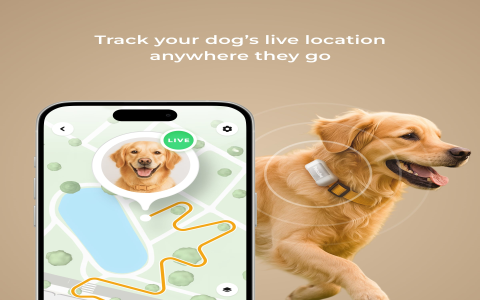
The Microchip Locator: A Revolution in Asset Tracking and Management
Introduction
In today’s fast-moving business environment, keeping track of physical assets has grown more demanding as operations expand and supply chains lengthen. Compact, wireless locator chips have stepped in as a powerful ally, offering near-instant visibility of equipment, inventory, and high-value items. This overview explores how the technology works, why it matters, and the practical gains it delivers across a range of sectors.
What is a Microchip Locator?
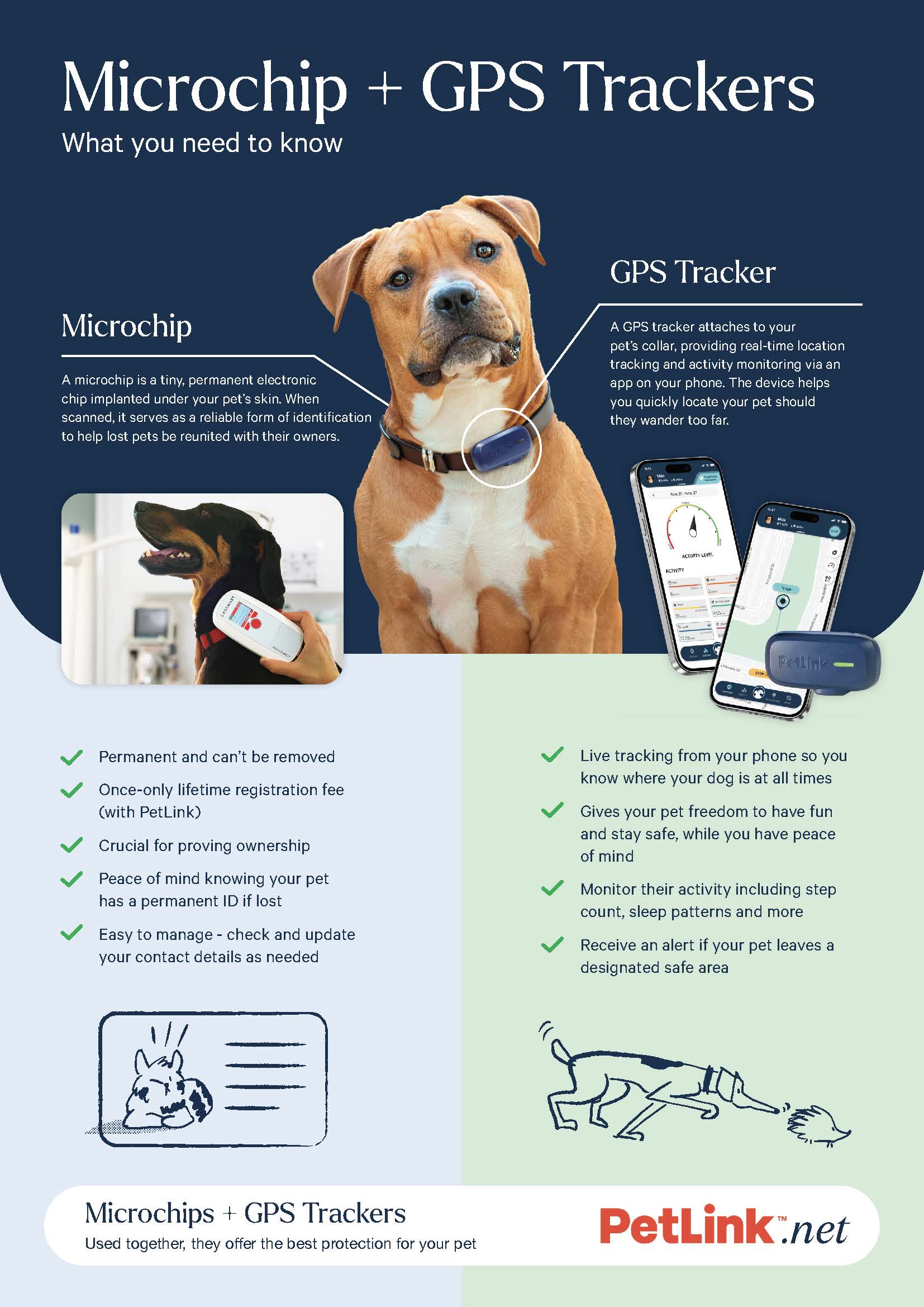
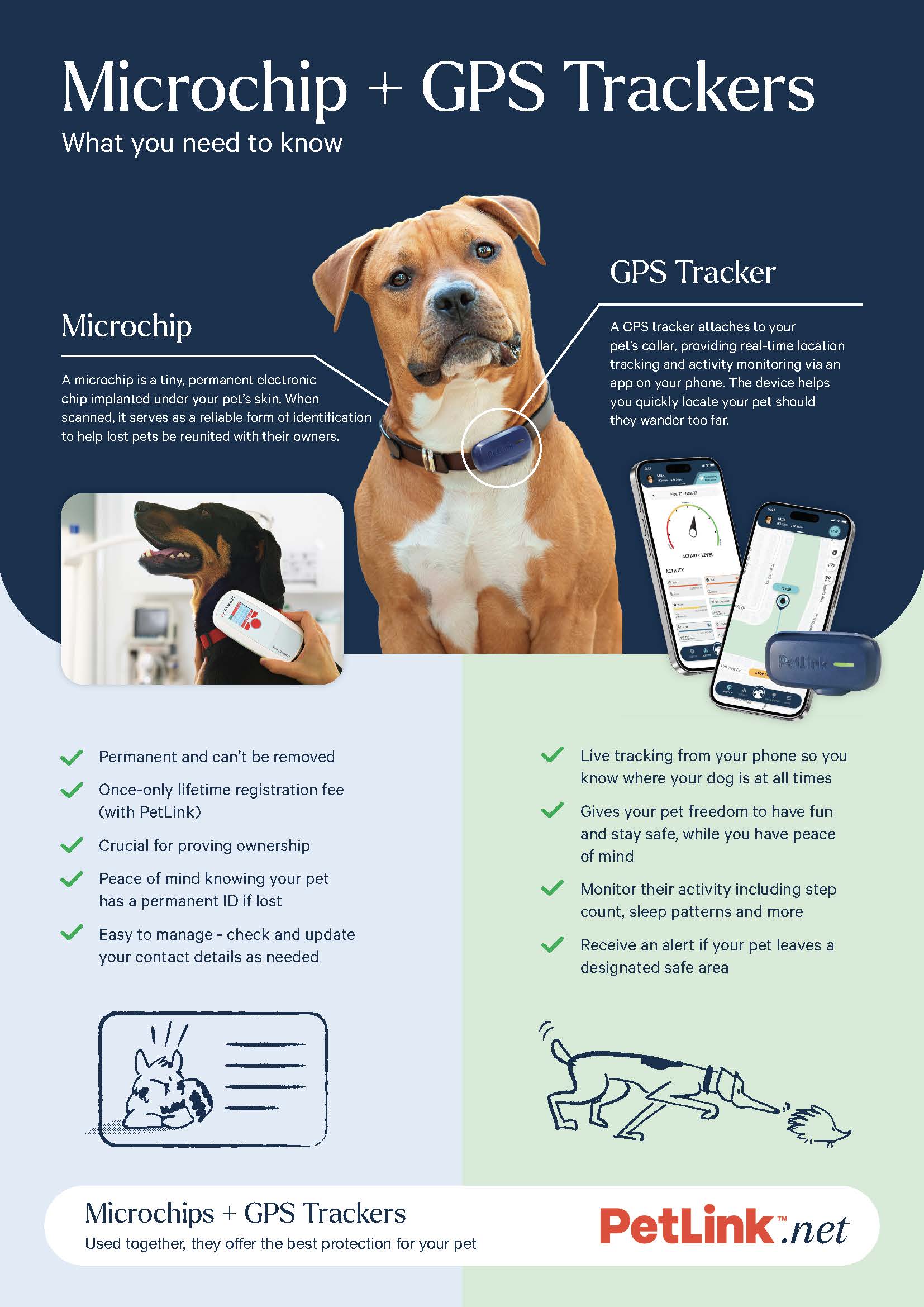
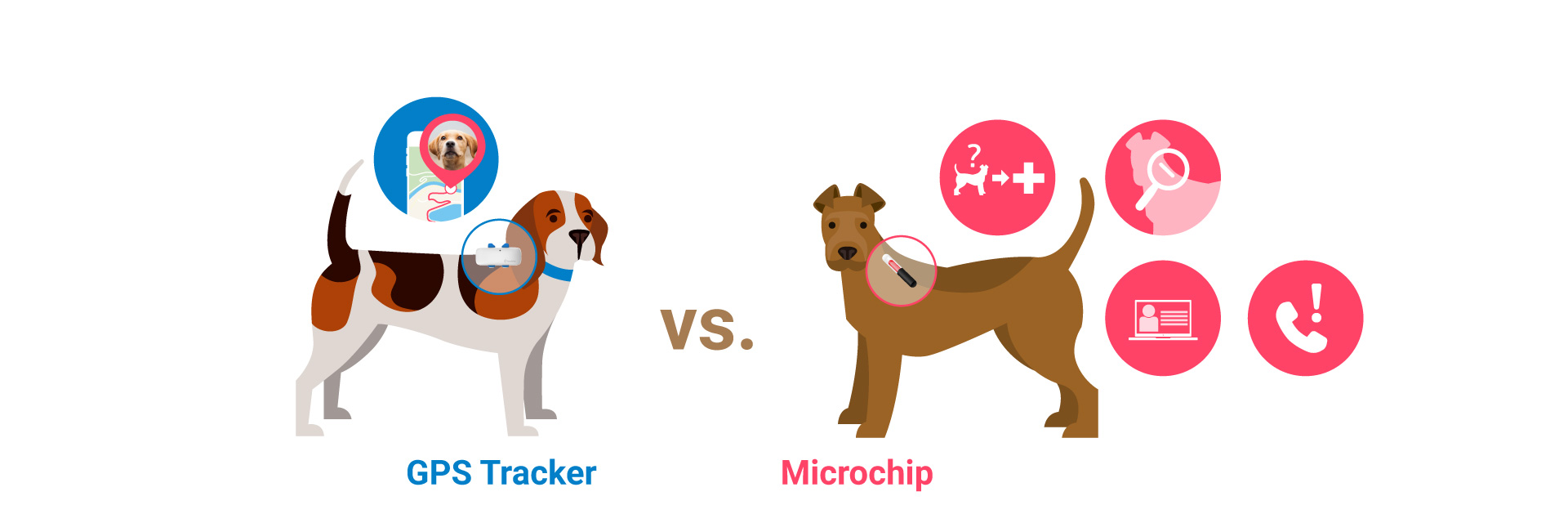
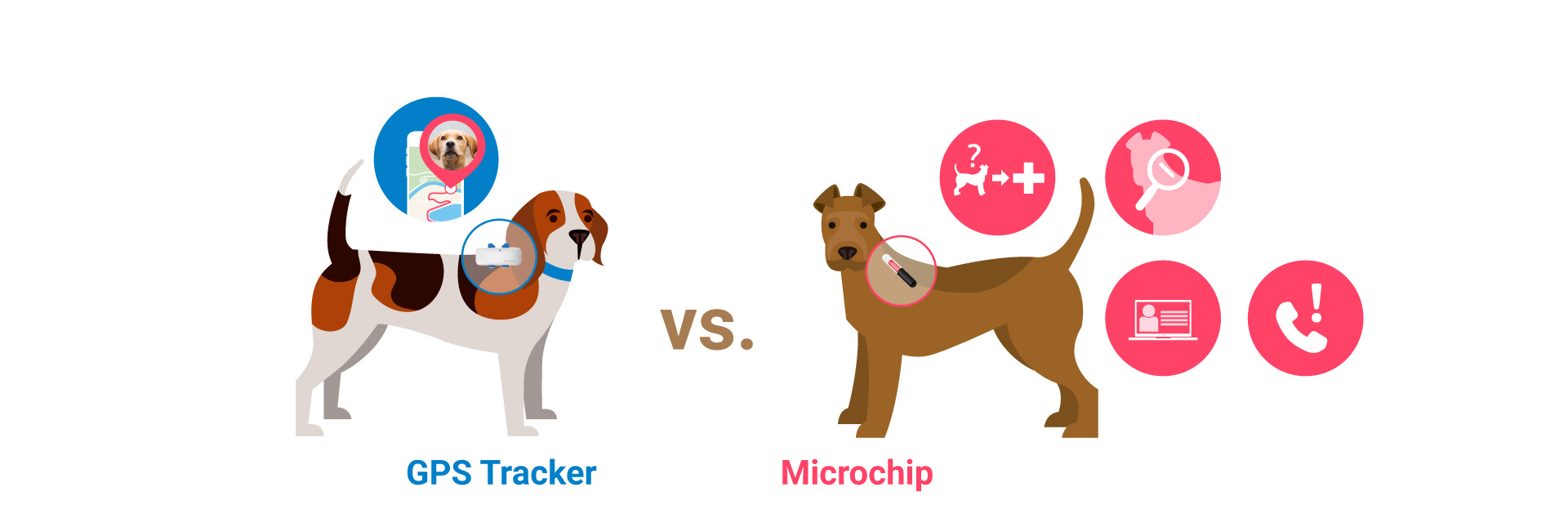
A microchip locator—often built on radio-frequency identification (RFID)—uses low-power radio signals to recognize and follow tagged objects. Each tag carries a tiny chip that holds basic details about the item to which it is affixed. A complete setup includes the tags themselves, fixed or handheld readers, and software that stores and presents the collected data.
The Significance of Microchip Locators
Enhanced Asset Tracking
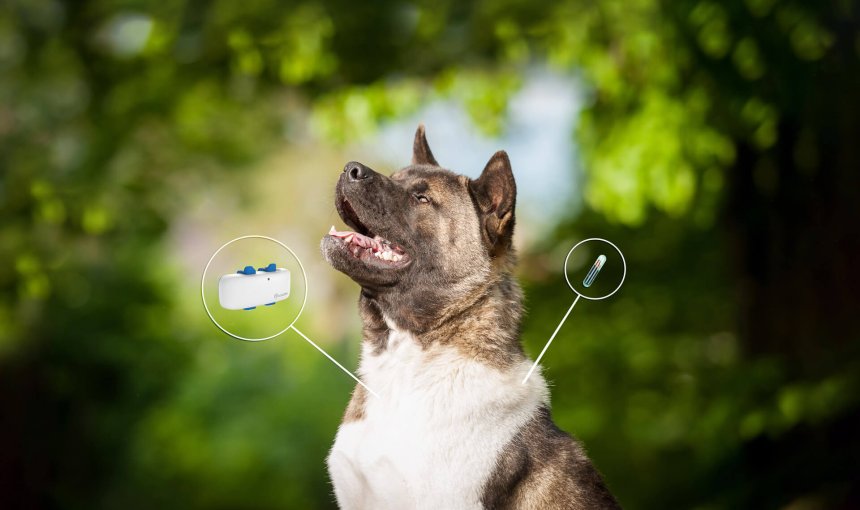
By attaching tags to tools, vehicles, or files, teams can see where assets are at any moment without manual searches. Hospitals can locate infusion pumps within minutes, while warehouses can confirm that pallets are loaded onto the correct trucks before departure.
Improved Inventory Management
Continuous, automatic counts reduce the need for annual stock-taking marathons. Shelf-level readers update quantities as goods arrive or leave, helping managers keep just enough inventory on hand and freeing cash that would otherwise sit in overstock.
Increased Security
Gate readers create an invisible checkpoint. If an item crosses a threshold without authorization, the system issues an alert, deterring loss and giving security staff time to react before the asset leaves the premises.
How Microchip Locators Work
Tag Activation
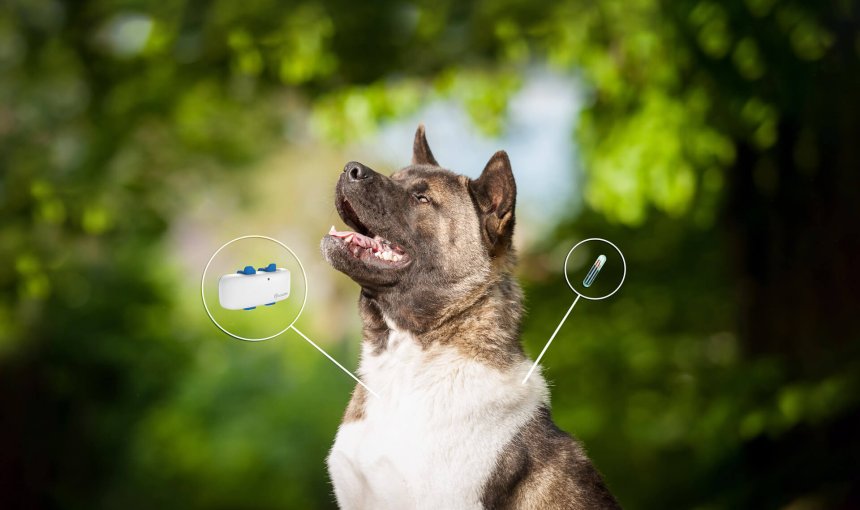
When prompted by a reader’s signal, passive tags reflect back a unique code; battery-assisted tags broadcast at set intervals. Either method provides a reliable handshake that identifies the item within a defined radius.
Data Transmission
Readers forward the captured codes to central software, which matches each code to an entry in an asset register. The process takes seconds and can occur repeatedly as items move past successive read points.
Real-Time Tracking
Because updates flow in automatically, dashboards display current locations without human input. Managers can set rules—such as minimum quantities in a storeroom—and receive notifications the moment levels drift outside the target range.
Case Studies
Healthcare Industry
A regional hospital network tagged more than ten thousand portable devices. Equipment searches that once lasted half an hour now take under five minutes, and rental fees for temporary replacements have dropped noticeably.
Retail Industry
A fashion chain applied discreet tags to every garment. Daily cycle counts that previously required store-opening hours are now completed before doors open to customers, and shrinkage rates have fallen thanks to exit-door alarms triggered by unpaid items.
Challenges and Limitations
Cost
Up-front spending on tags, readers, and integration can be significant. Many adopters treat the investment as a multi-year savings plan, with payback arriving through lower labor costs, reduced losses, and finer inventory control.
Implementation Complexity
Successful rollouts demand careful site surveys, consistent tag placement, and staff training. Metal shelving, liquid products, or dense layouts can weaken signals, requiring extra tuning or additional read points.
Privacy Concerns
Customers and employees may worry about silent monitoring. Clear policies that limit data collection to business-critical items, combined with transparent communication, help maintain trust and comply with data-protection expectations.
Conclusion
Wireless locator chips have moved from pilot projects to everyday operations, giving organizations a sharper view of the assets that drive their services. While cost, setup effort, and privacy need thoughtful handling, the upside—faster audits, lower losses, and smoother workflows—makes the technology an increasingly standard part of modern operations.
Future Directions
As the hardware grows smaller and the software smarter, several trends are on the horizon:
– Integration with IoT: Linking tag data to connected sensors will add temperature, vibration, or humidity context to location records, supporting cold-chain or predictive-maintenance programs.
– Improved Data Security: End-to-end encryption and cloud-based access controls will keep asset records safe as volumes scale.
– Customization and Flexibility: Modular platforms will let firms mix short-range and long-range tags, choose battery-free or battery-boosted options, and design dashboards that match their unique KPIs.
In short, microchip locators are evolving from simple ID badges into rich data sources that feed smarter, faster, and more responsive supply chains and workplaces.