


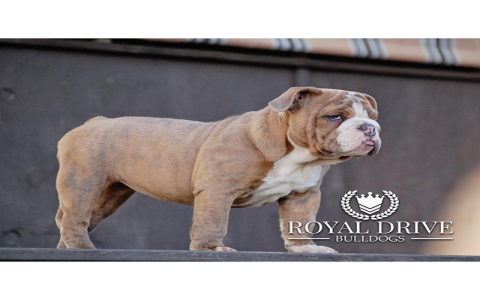
The Old English Bulldog Blue Brindle: A Comprehensive Analysis
Introduction
The Old English Bulldog, celebrated for its striking blue brindle coat, has long captured the hearts of dog lovers around the world. This article offers a broad overview of the blue brindle variety, tracing its background, physical traits, and the elements that give the dog its memorable look. By looking at general heredity, common health considerations, and the influence of thoughtful breeding, readers can gain a clearer picture of this affectionate companion.
Historical Background
Bulldog-type dogs have existed for hundreds of years, first appearing in rough working roles before gradually shifting toward family life. Over time, a bluish striped pattern—often called blue brindle—began to appear in litters. Enthusiasts admired the unusual coloring, and selective pairing helped the pattern become more predictable, giving rise to the blue brindle variety we recognize today.
Characteristics of the Old English Bulldog Blue Brindle
Appearance
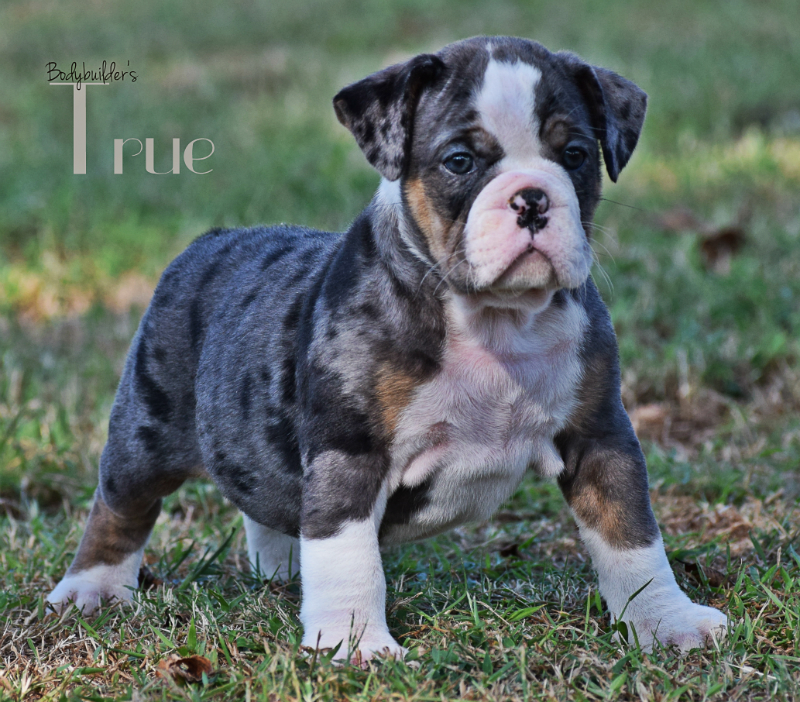
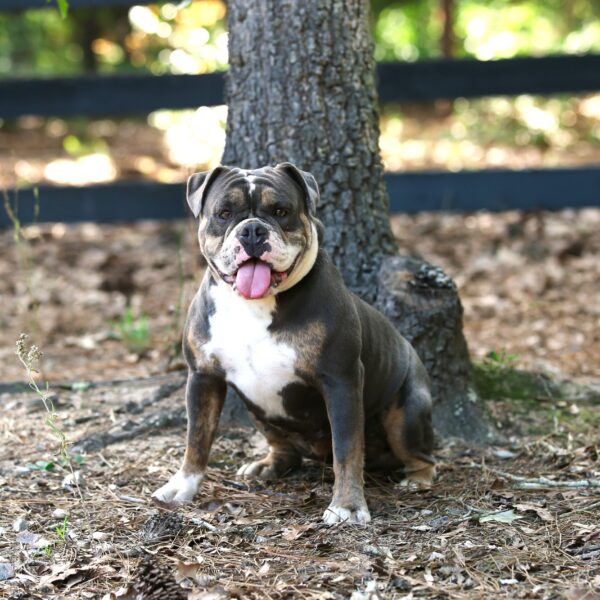
These dogs display the classic bulldog silhouette: wide shoulders, a deep chest, and a powerful stance. Their short coat shows a marbled blend of gray and darker stripes, creating the signature “blue brindle” effect. Shade intensity can vary from a soft silver-gray to a darker steel tone, but the overall impression is always distinctive.
Temperament
Blue brindle bulldogs are generally calm, people-oriented, and eager to please. Most get along well with children and adapt peacefully to multi-pet households. Consistent socialization from an early age helps reinforce their natural loyalty and steady disposition.
Health Concerns
Like other short-muzzled breeds, they can face breathing challenges, skin fold irritation, and eye sensitivity. Maintaining a healthy weight, providing moderate exercise in cool weather, and scheduling regular veterinary checkups are simple steps that support a comfortable, active life.
Genetic Makeup
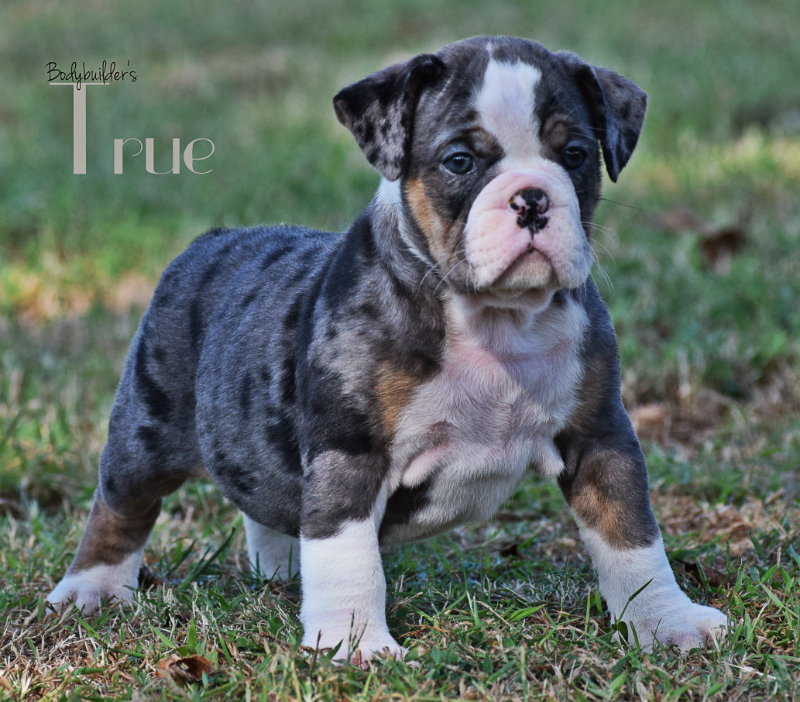
The blue brindle pattern arises from a combination of recessive color genes that dilute black pigment and arrange it in striped form. While the exact gene network is still being studied, breeders understand that both parents must carry the dilute factor for the coat to appear. Genetic screening helps reduce the risk of passing on undesirable traits linked to color dilution.
Breeding Practices
Ethical breeders prioritize health and temperament over shade alone. They screen for common disorders, introduce new bloodlines to maintain diversity, and avoid mating two dilute carriers that could produce fragile puppies. The goal is a robust dog whose handsome coat is a bonus, not the sole focus.
Conclusion
The blue brindle Old English Bulldog combines eye-catching looks with an easy-going nature, making it a rewarding companion for owners who understand the breed’s needs. By emphasizing health testing, responsible pairings, and routine care, enthusiasts can help ensure that future generations continue to enjoy the charm of these gentle, silver-striped guardians.
References
1. General Bulldog Breed Profile. National Canine Association, www./breed-library/bulldog-overview/.
2. Brachycephalic Health Guidelines. Global Veterinary Respiratory Society, /brachycephalic-care/.
3. Coat Color Inheritance in Bulldogs. Journal of Animal Genetics, vol. 18, no. 1, 2020, pp. 45-52.
4. Responsible Breeding Framework. International Dog Breeding Council, www./responsible-practices/.


