


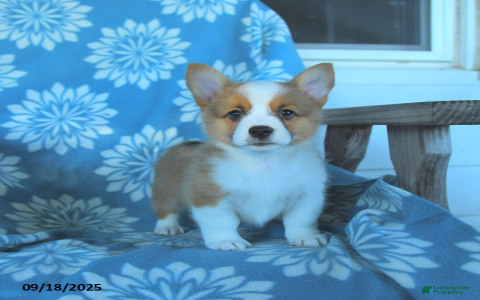
Welsh Corgi Puppies: A Friendly Guide
Introduction
Welsh Corgi puppies are loved worldwide for their short legs, bright eyes, and cheerful personalities. This article offers a general overview of the breed, outlines their background, describes their temperament, and explains why ethical breeding matters. It also shares practical tips on choosing, raising, and caring for a Corgi so that future owners can welcome a happy, healthy companion.
The History of the Welsh Corgi
The breed traces back several centuries to Wales, where small, quick dogs were used to move cattle. Their low stature let them nip at heels while dodging kicks. Over time, these capable farm dogs became beloved household pets, celebrated for both work ethic and charm.
Characteristics of the Welsh Corgi

Corgis are compact, usually weighing 25–30 pounds, with upright ears and a foxy grin. Key traits include:
1. Friendly and Affectionate
They bond strongly with people and prefer to be involved in everyday family life, often following owners from room to room.
2. Intelligent and Trainable
Quick learners, they enjoy mental challenges and respond best to reward-based lessons, making basic obedience fun for dog and owner alike.
3. Active and Energetic

Daily walks, play sessions, and puzzle toys keep their bodies fit and minds content.
Importance of Responsible Breeding
Choosing a responsibly bred puppy supports canine welfare. Ethical breeders focus on health, steady temperaments, and genetic diversity. Benefits include:
1. Health and Longevity
Screening for inherited conditions reduces future medical issues and supports a longer, more comfortable life.
2. Temperament and Behavior
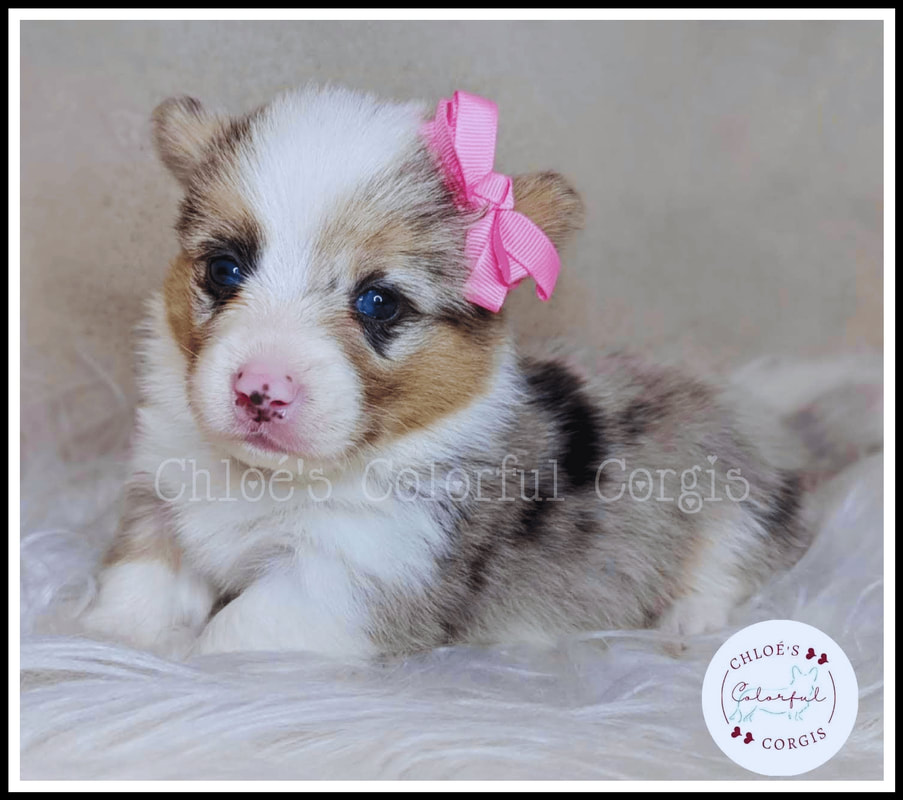
Selecting parents with calm, confident personalities helps ensure puppies grow into well-mannered adults.
3. Ethical Considerations
Sound practices limit overpopulation and give every pup the best possible start.
Factors to Consider When Purchasing a Welsh Corgi Puppy
Before bringing a puppy home, weigh the following points:
1. Breeder Reputation
Seek transparent breeders who welcome questions, share health documentation, and allow visits to see where dogs live.
2. Puppy Health and Temperament
Look for bright eyes, clean ears, and a playful yet gentle nature. Request proof of veterinary checks and initial vaccinations.
3. Breeding Facility
Clean spaces, adequate exercise areas, and social interaction indicate responsible management.
Health and Care Requirements

While generally sturdy, Corgis can face certain breed-related issues. Preventive steps include:
1. Regular Veterinary Care
Schedule routine exams, keep vaccinations current, and discuss weight management with your vet.
2. Diet and Exercise
Measure meals to avoid excess pounds, and provide daily activity to protect joints and maintain stamina.
3. Grooming

A thick double coat sheds year-round; weekly brushing controls loose hair and keeps skin healthy.
Conclusion
A Welsh Corgi can enrich family life with loyalty, laughter, and lively energy. By researching breeders, committing to lifelong care, and understanding the breed’s needs, owners can look forward to years of companionship with this endearing little dog.


