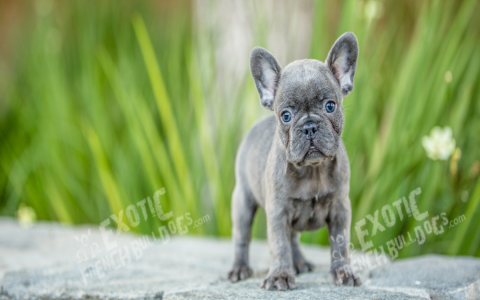
Exotic English Bulldogs: A Comprehensive Overview
Introduction
The English Bulldog has long been admired for its sturdy charm and loyal nature. In recent years, a newer variation known as the Exotic English Bulldog has drawn attention for its distinctive look and friendly demeanor. This overview explores the background, appearance, personality, and responsibilities that come with sharing a home with one of these dogs.
Origins and History
Traditional English Bulldogs were once working dogs in Britain, later transitioning into beloved household companions. The Exotic type arose when breeders began pairing the classic Bulldog with other small, affectionate breeds to soften features, reduce weight, and create a more modern silhouette while keeping the breed’s trademark courage and warmth.
Physical Attributes
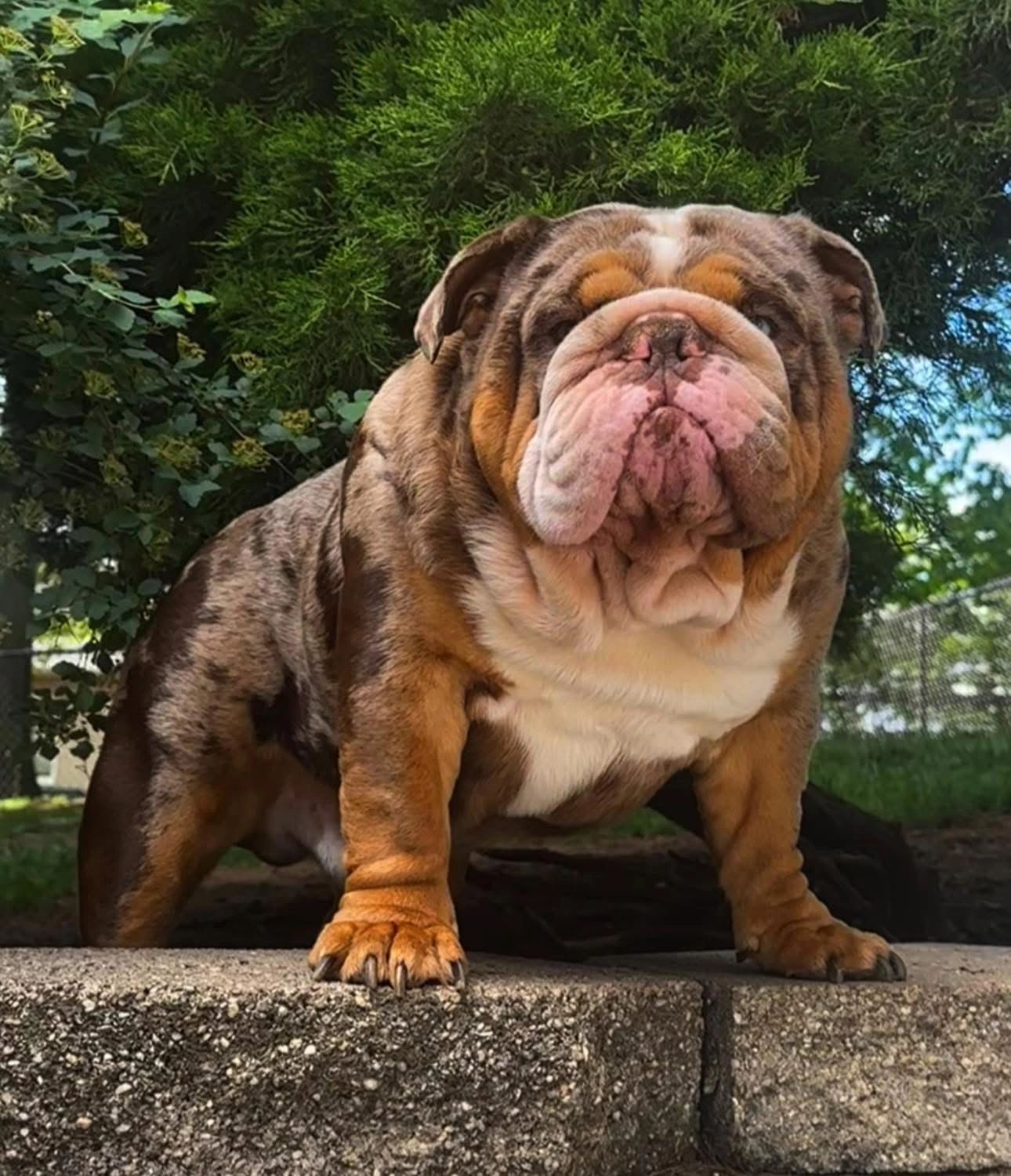
Compared with the standard Bulldog, the Exotic variety tends to be lighter and more athletic. The head is slightly longer, the jaw alignment is improved, and the ears are often smaller and higher set. A well-proportioned chest, defined shoulders, and balanced limbs give the dog an agile yet powerful appearance that many owners find especially appealing.
Temperament
Exotic English Bulldogs are typically calm, people-oriented, and tolerant of children. They usually coexist peacefully with other pets when properly introduced. Early, consistent guidance is recommended, because these dogs can display an independent streak that turns into stubbornness if boundaries are unclear.
Challenges of Ownership
Prospective guardians should prepare for breed-related health considerations. Their compact airways can make breathing noisy in hot or humid weather, and skin folds may trap moisture, leading to irritation. Routine vet visits, climate-controlled rest areas, and daily cleaning of wrinkles help prevent common issues.
Coat care is straightforward—weekly brushing controls moderate shedding—but nails should be trimmed regularly and ears checked for debris. A balanced diet and measured exercise protect joints, while mental stimulation through short training games keeps the dog engaged without overexertion.
Conclusion
The Exotic English Bulldog offers a blend of classic Bulldog devotion and a refreshed, sportier outline. Families who value affectionate, low-distance exercise partners often find this variation a rewarding choice, provided they commit to proactive healthcare and gentle, consistent training.
Future Research
Continued study of the Exotic Bulldog’s genetics could help breeders further reduce respiratory and dermatological concerns. Investigations into optimal socialization periods, exercise limits, and dietary requirements will also support longer, healthier lives for these charming companions.
In closing, appreciating both the appeal and the needs of the Exotic English Bulldog allows owners to build a strong, lasting bond with a dog whose unique look is matched by an endearing personality.