The Pug Boston Terrier Mix: A Complete Overview
Introduction
The Pug Boston Terrier mix, often nicknamed the Bugg, has become a favorite among small-dog lovers thanks to its playful spirit and endearing looks. By blending the Pug’s sociable charm with the Boston Terrier’s lively intelligence, this crossbreed offers a compact companion that fits well into many lifestyles. Below is a practical guide to the mix’s background, traits, and everyday care.
History
Deliberate crossings of Pugs and Boston Terriers began near the end of the last century, when breeders hoped to merge the best personality points of each parent into one portable pet. The resulting dogs quickly found homes in city apartments and suburban houses alike, valued for their manageable size and people-oriented attitudes.
Characteristics

Appearance
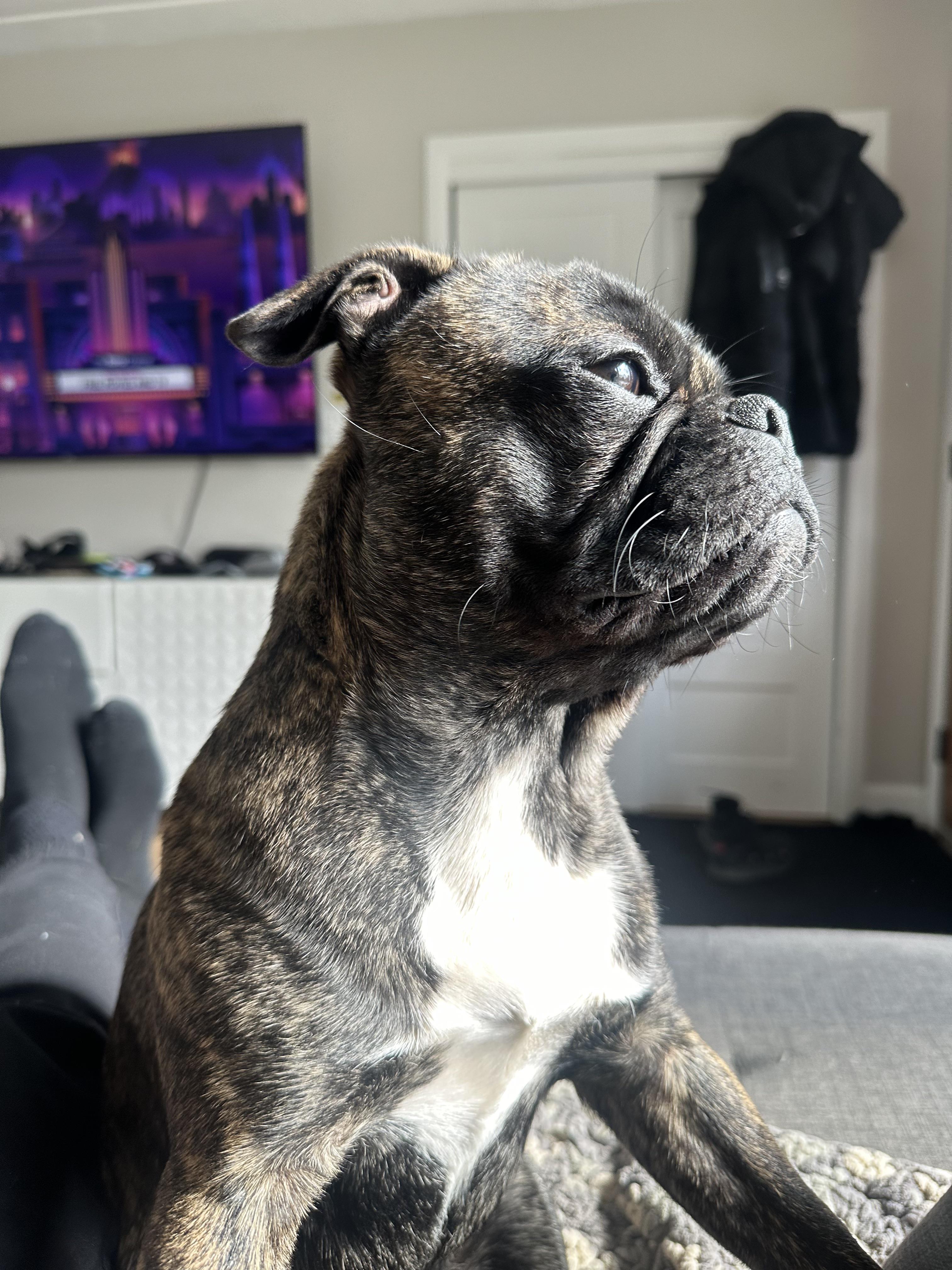
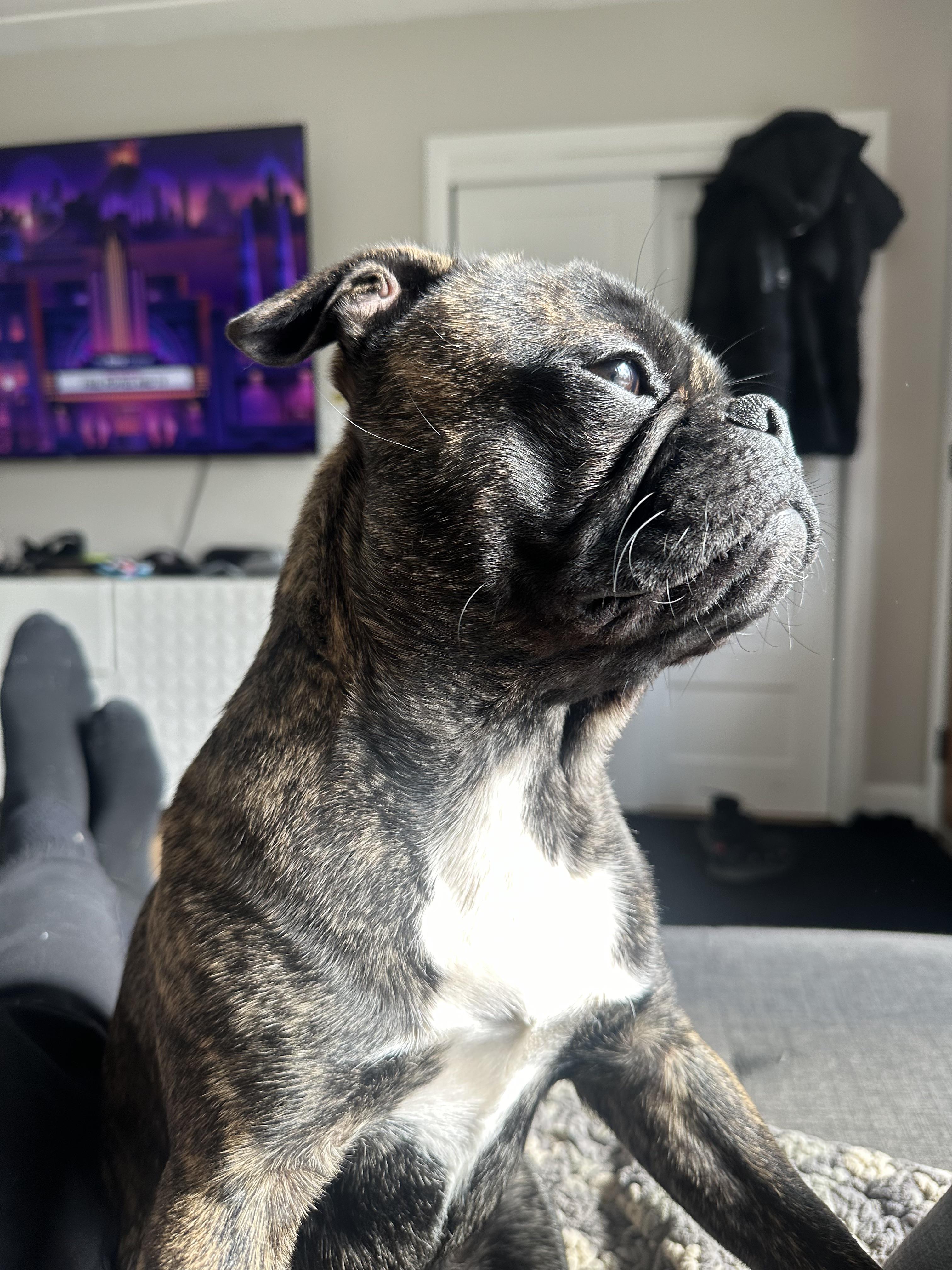
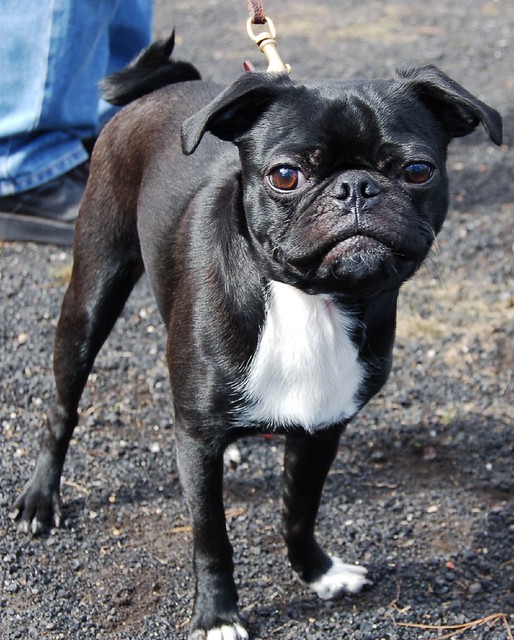
Buggs usually stand under 17 inches and weigh between 10 and 25 pounds. Their short, glossy coat may be solid fawn, black, or patterned with brindle masks and white markings. A rounded skull, shortened muzzle, and large, alert eyes give a permanently curious expression, while ears can fold like a Pug’s or tilt forward like a Boston’s.
Temperament
These dogs live to be part of the action. They greet visitors with enthusiasm, follow family members from room to room, and generally assume every lap is open for cuddles. Early socialization refines their natural friendliness, and they usually coexist peacefully with children, cats, and other dogs when introduced calmly.
Health
Mixed ancestry does not guarantee immunity from hereditary issues. Common concerns include:

– Skin sensitivities: wrinkles and skin folds may become irritated without routine cleaning.
– Ocular conditions: prominent eyes can develop dryness or injury; watch for redness or squinting.
– Respiratory noise: the shortened airway typical of flat-faced breeds means overheating and labored breathing can occur in hot or humid weather.
Care Requirements
Diet
Choose a calorie-controlled kibble formulated for small, moderately active dogs. Measure meals rather than free-feeding, and limit treats to ten percent of daily calories to prevent weight gain that can stress joints and breathing.
Exercise
Two brisk walks plus a short play session keep a Bugg mentally and physically satisfied. Avoid strenuous activity during the hottest part of the day; early morning or evening outings are safer for brachycephalic breeds.
Grooming
A weekly once-over with a soft bristle brush removes loose hair and distributes skin oils. Clean facial folds every few days to prevent odor or infection, trim nails monthly, and check ears for wax buildup.
Training
Short, upbeat lessons work best. Use treats, toys, and praise to mark desired behaviors, and quit before either party loses interest. Consistent house rules prevent the stubborn streak common in both parent breeds from becoming a nuisance.
Benefits of Sharing Life with a Bugg
Loyalty and Affection
Expect a shadow that wants to share every sofa moment and celebrates your return home with snorts, spins, and delighted grins.
Intelligence and Trainability
Most Buggs master basic cues quickly and enjoy learning tricks that earn attention and rewards, making them stars of the living-room circuit.
Family Fit
Their moderate exercise needs and sturdy build suit active singles, seniors, and households with respectful children. As long as companionship is provided, they adapt to apartments or larger homes equally well.
Conclusion
A well-bred, well-socialized Pug Boston Terrier mix can deliver years of comic relief and steady companionship. By respecting the breed’s health limitations and providing sensible care, owners gain a small dog with a big heart and an ever-wagging tail.
Future Research
Continued study could help refine breeding practices and owner education. Useful areas include genetic screening for respiratory and eye health, behavior assessments in multi-pet homes, and longitudinal surveys tracking wellness across the mix’s lifespan.