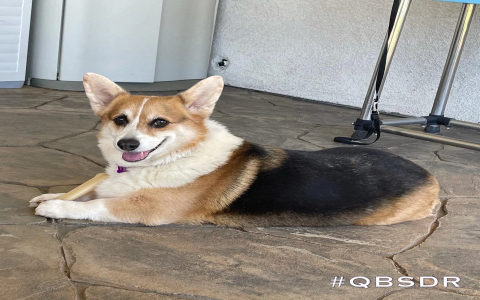
Title: Corgi Rescues in California: A Comprehensive Analysis
Introduction
Corgi rescues in California have drawn growing attention from animal-welfare supporters and dog lovers. The breed’s cheerful personality and unmistakable silhouette have made it a favorite across the country, yet that popularity has also led to more Corgis being left behind when homes can no longer keep them. Rescue groups have stepped in to offer these dogs a fresh start. This overview examines why Corgis end up in shelters, the hurdles rescue teams face, and the wider benefits their work brings to local communities.
Reasons for the Rise in Abandoned Corgis
Several trends help explain the increasing number of Corgis entering the shelter system. First, demand for puppies encouraged some breeding operations to prioritize volume over health, producing more dogs than stable homes could absorb. Second, the breed’s energy, herding drive, and potential joint issues can surprise first-time owners who expected a low-maintenance pet. Finally, economic shifts and busier lifestyles sometimes make it hard for families to meet a Corgi’s daily exercise, training, and veterinary needs, leading to difficult surrender decisions.
Challenges Faced by Corgi Rescue Organizations
Rescue centers often receive more requests than they can handle, stretching kennel space, volunteer hours, and veterinary budgets. Corgis frequently arrive needing specialized care—weight management, joint supplements, or behavior support for anxiety developed after neglect. Coordinating foster homes that understand these quirks is a constant task, and fundraising must keep pace with rising medical costs. Emotional strain on staff and volunteers is another factor, as many dogs arrive fearful or in poor condition.
The Impact of Corgi Rescues on the Community
By preparing homeless Corgis for adoption, rescue groups ease pressure on public shelters and reduce euthanasia rates. Outreach events, training workshops, and school visits spread knowledge about responsible ownership, benefiting all breeds. Successful adoptions also create feel-good stories that inspire more residents to volunteer, donate, or open their homes to foster animals, weaving a stronger network of compassionate neighbors.
Case Studies and Success Stories
A recent intake involved a senior Corgi whose stiff hips made walking painful. After weeks of gentle exercise, anti-inflammatory medication paid for by donors, and a foster home with carpeted floors, the dog regained enough mobility to climb porch steps and join family walks. Another young Corgi arrived timid and undersocialized; daily positive-reinforcement sessions with volunteers taught her to trust strangers, and she now works as a certified therapy visitor at a nearby library reading program for children. These transformations highlight how targeted care turns lives around.

Conclusion
Corgi rescues across California serve as an essential safety net, matching discarded dogs with committed adopters while educating the public on what the breed truly needs. Continued cooperation among breeders, owners, veterinarians, and volunteers will determine whether future Corgis enjoy the stable, loving homes they deserve.
Recommendations and Future Research
Breeders can help by screening buyers carefully and offering lifetime take-back guarantees. Community classes on exercise requirements, grooming, and weight control should be easy to find and afford. Grant writers and donors can direct funds toward medical equipment, transport vehicles, and low-cost spay-neuter clinics that keep dogs out of shelters in the first place.
Researchers could track surrender patterns to spot seasonal or regional triggers, measure the success of behavior-rehabilitation protocols, and follow adopted dogs for several years to gauge long-term health and happiness. Such data would let rescues fine-tune programs and demonstrate their impact to supporters.