


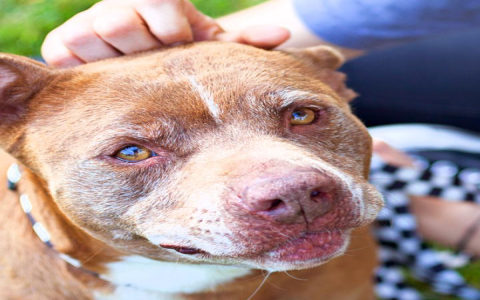
Title: The Role of Small Breed Rescue & Adoption Network in Promoting Animal Welfare
Introduction:
Animal welfare has become a growing concern worldwide. Among the most effective responses is the creation of rescue and adoption networks tailored to small companion dogs. This article examines how such networks improve the lives of these vulnerable animals by offering safety, medical care, and new beginnings.
The Importance of Small Breed Rescue & Adoption Network
Smaller dogs often struggle in crowded facilities because their needs can be overlooked. Dedicated rescue groups focus on these pets, pulling them from busy shelters and placing them in foster homes where they receive individualized attention. This targeted approach lowers euthanasia rates and gives more dogs the opportunity to thrive.
By concentrating on size-specific challenges—such as hypothermia risk, dental disease, and anxiety—the network ensures that each animal gets appropriate care, increasing the likelihood of successful adoption.
Providing Medical Care and Rehabilitation
Many incoming dogs arrive with untreated injuries, parasites, or chronic conditions. Partner veterinarians examine, vaccinate, and spay or neuter every animal, while foster caregivers provide rest, nutrition, and socialization. Physical therapy, behavioral training, and follow-up visits are arranged when needed.

Once health and temperament are stabilized, dogs are photographed and profiled for adoption websites, community events, and partner pet stores, helping them find permanent families quickly.
Education and Public Awareness
Volunteers visit schools, libraries, and farmers’ markets to discuss responsible ownership, the benefits of adoption, and the importance of sterilization. Social media campaigns share before-and-after photos, short videos, and myth-busting infographics that highlight the joys of adopting a rescued small dog.
These efforts reduce impulse purchases, discourage unethical breeding, and encourage prospective owners to choose adoption first.
Collaboration with Other Organizations
The network operates like a hub, connecting shelters, veterinary clinics, transport groups, and trainers. Shared databases track available dogs, open foster homes, and specialized medical resources. Joint fundraising events raise money for emergency surgeries, while pooled transport vans move dogs from over-crowded regions to areas with higher adoption demand.
This teamwork multiplies impact, allowing limited resources to stretch further and ensuring no dog is left behind because of geography or lack of space.
Success Stories and Testimonials
A recent highlight involved a senior Chihuahua found wandering the streets. After dental surgery and weeks of foster care, he gained weight, learned to walk on a leash, and charmed a retired couple looking for a calm companion. Stories like his are shared online to inspire donations, volunteer sign-ups, and, most importantly, more adoptions.
Each happy ending reinforces the message that rescued dogs make wonderful pets and that the community’s support truly saves lives.
Conclusion:
By focusing on rescue, medical rehabilitation, public education, and broad collaboration, small-breed networks transform vulnerable dogs into beloved companions. Their work reduces shelter strain, promotes humane treatment, and enriches countless families.
Continued community involvement—whether through adoption, fostering, donating, or simply sharing posts—will ensure these programs grow and even more animals get the second chance they deserve.
Future studies could measure long-term adoption success, evaluate educational campaign reach, and develop best-practice guidelines that other regions can replicate, further strengthening the global movement toward better animal welfare.


