


Corgi Rescue in the Desert Southwest: A Lifeline for Short-Legged Companions
Introduction
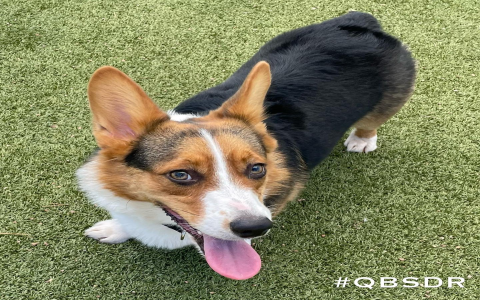
A dedicated volunteer network in the Southwest focuses on rescuing, rehabilitating, and re-homing Pembroke and Cardigan Welsh Corgis. These tireless helpers give abandoned or neglected dogs a fresh start, offering medical care, training, and plenty of affection. This piece highlights why such groups matter, the hurdles they confront, and the ripple effect they create across neighborhoods.
Why These Rescue Efforts Matter
First, they provide immediate safety. Many arriving dogs are underweight, unvaccinated, or frightened. Temporary homes supplied by the network give each animal room to decompress, visit a veterinarian, and learn to trust people again.
Second, they ease shelter overcrowding. By pulling at-risk dogs into foster care, the group frees scarce kennel space and reduces euthanasia rates region-wide.
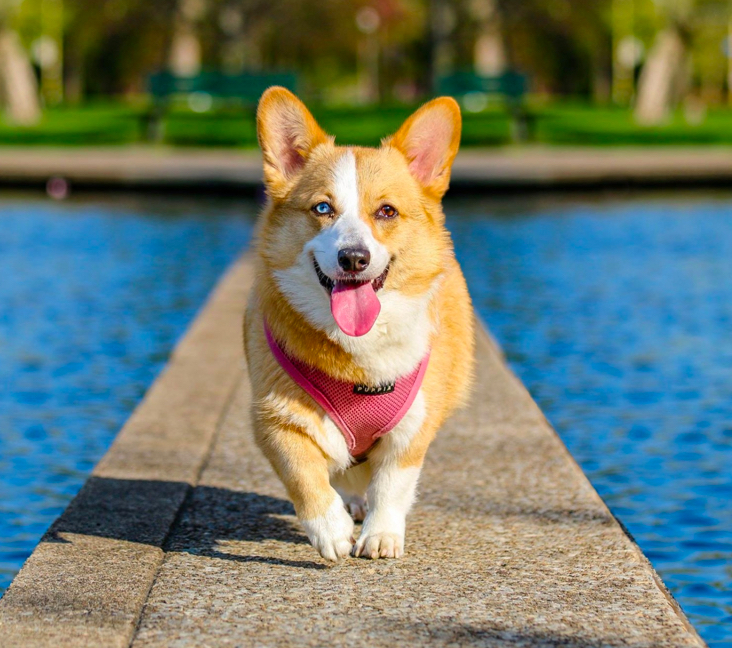
Third, they champion responsible guardianship. Online guides, school visits, and adoption counseling teach future owners about exercise needs, herding instincts, and lifelong commitment, lowering the chance of future surrender.
Common Obstacles
Veterinary bills add up quickly. Even routine spay/neuter, vaccinations, and dental cleanings strain a donation-based budget; emergency surgery can overwhelm it.
Foster space is perpetually limited. Each dog needs a stable household willing to teach house manners and basic cues, yet suitable fosters are hard to recruit when people work long hours or rent pet-restricted housing.
Public misconceptions persist. Some still view corgis as nonstop barkers or heavy shedders unsuited to warm climates, slowing adoption interest even when the dogs are healthy and well-mannered.
Community Impact
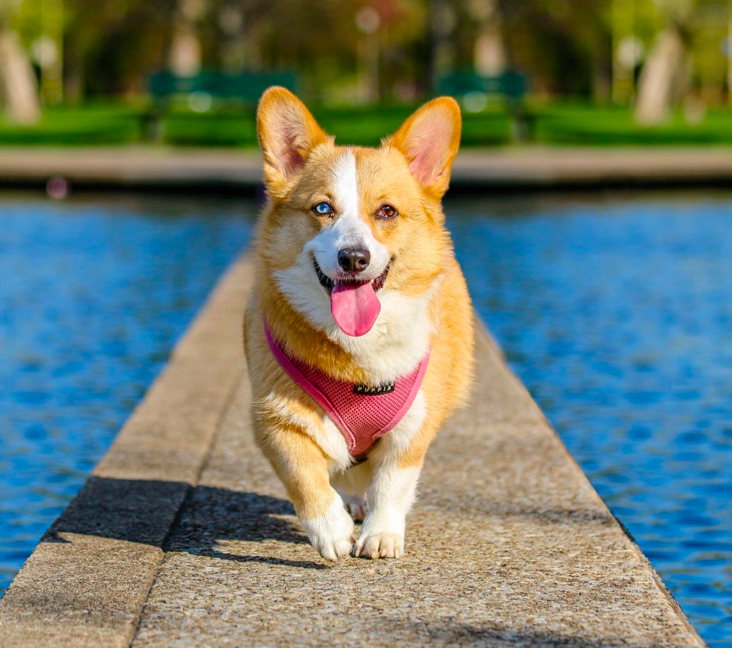
Volunteers routinely report heightened empathy after hands-on involvement—walking shy rescues or socializing pups. That compassion often spreads to broader animal-welfare causes.
Partnering with local veterinarians, pet-supply shops, and trainers, the network hosts microchip clinics, low-cost vaccination drives, and meet-and-greet events that benefit all breeds, not just corgis.
Adopters gain more than a pet; they receive a grateful companion whose antics brighten daily life, encourage exercise, and spark conversations at parks and cafés.
Happy Tails
Among many, a once-timid red-and-white girl named Maple transformed during foster care. Her new guardians recall: “Maple arrived hiding under chairs. Within weeks she was offering paw and wagging nonstop. Now she hikes beside us every morning and snoozes at our feet each night. Adopting her filled a space we didn’t know was empty.”
Conclusion
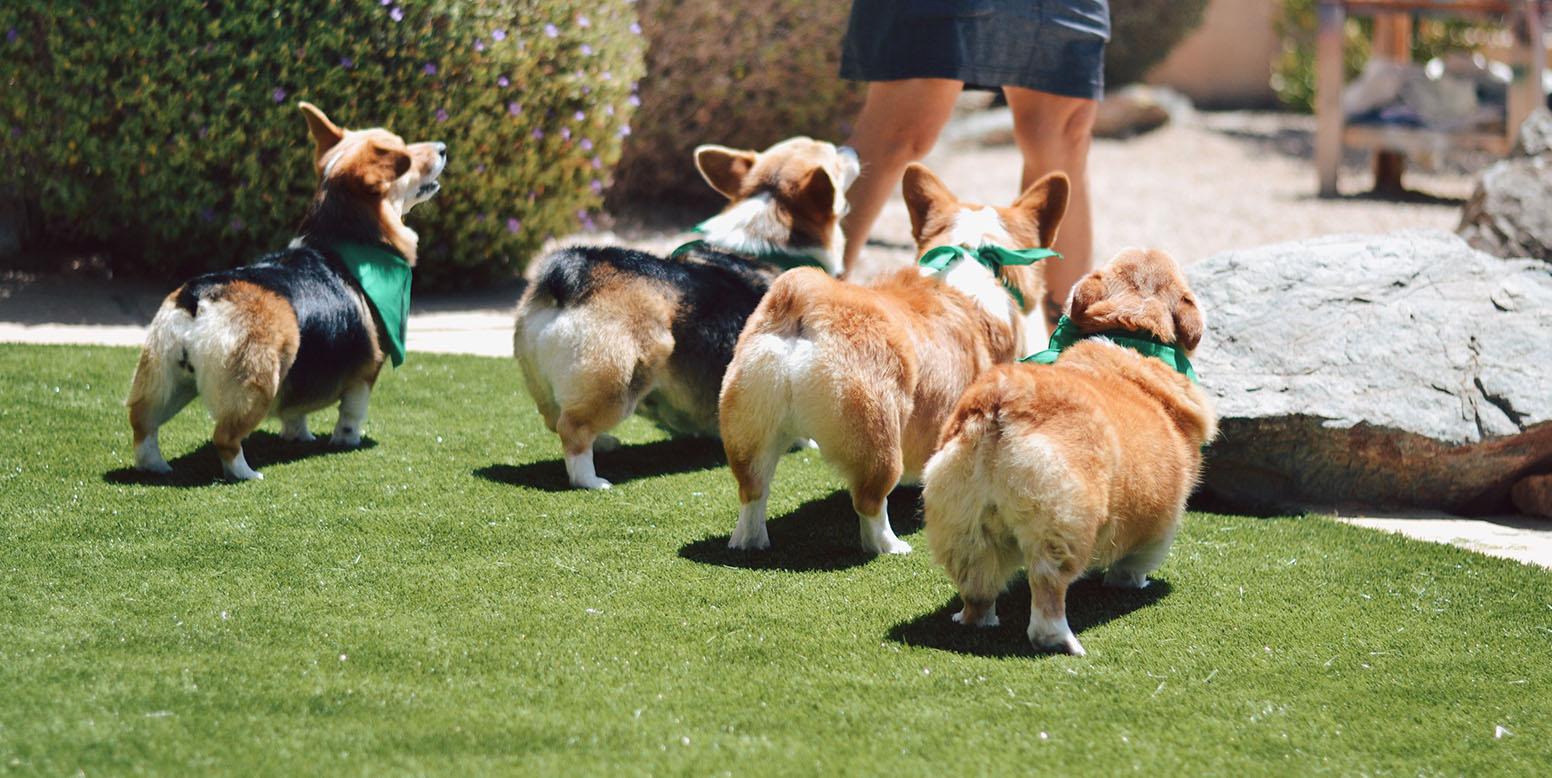
Grass-roots corgi rescue teams embody the best of community spirit: ordinary people pooling time, money, and love to save small dogs with big personalities. Their work reduces shelter strain, educates the public, and unites families with loyal companions.
Continued success depends on steady donations, new foster homes, and word-of-mouth advocacy. By supporting these efforts—whether through volunteering, sharing posts, or choosing adoption—neighbors keep the cycle of second chances alive for every short-legged pup who deserves a soft bed and a bright future.


