The Impact of Adopt-a-Cat Programs on Animal Welfare and Community Engagement
Introduction
Adopt-a-cat initiatives have become increasingly popular as a practical way to ease shelter crowding and give cats a second chance in caring homes. This article looks at how these programs influence animal well-being, strengthen neighborhood ties, and shape attitudes toward pet ownership. By weighing their benefits, obstacles, and future possibilities, we can see why they matter and how they can keep driving positive change.
The Need for Adopt-a-Cat Programs
The Problem of Pet Overpopulation
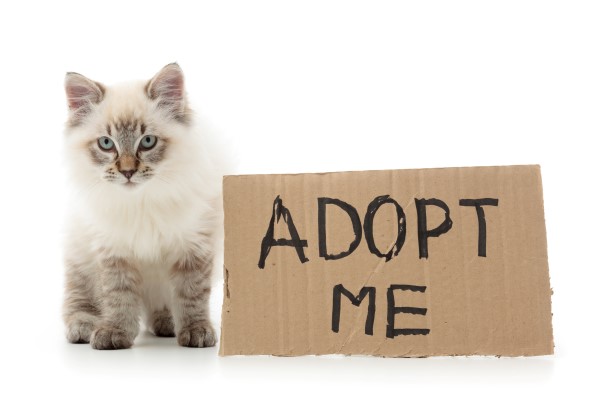
Shelters across the globe receive countless cats every year, far more than they can comfortably house. Many of these animals never find permanent families, and limited space often leaves staff with heartbreaking choices. Adopt-a-cat campaigns directly ease this pressure by matching ready adopters with cats who deserve a fresh start, lowering the number of healthy animals facing uncertain futures.
Animal Welfare Benefits
Cats who move from crowded shelters to stable homes usually enjoy rapid improvements in health and behavior. A quiet environment, regular meals, and gentle attention reduce stress-related illnesses and help shy cats gain confidence. Over time, adopted cats tend to show shinier coats, brighter eyes, and more playful personalities, clear signs that a loving household can transform a cat’s quality of life.
Community Engagement and Social Impact
Building Stronger Communities
When neighbors rally around a local adoption drive, they build connections that reach beyond the event itself. Sharing success stories, swapping pet-care tips, or simply admiring one another’s newly adopted cats fosters friendly conversation and mutual support. These small interactions weave tighter social fabric and encourage a culture of kindness toward all living creatures.
Volunteer Opportunities
Shelters thrive on volunteer energy. People of all ages can help by socializing cats, photographing adoptable pets, or organizing weekend meet-and-greet events. Each hour donated not only improves shelter operations but also gives volunteers a rewarding way to learn new skills, relieve stress, and feel part of something meaningful.
Challenges and Solutions
Overcoming Barriers to Adoption
Some potential adopters worry that shelter cats might have hidden health or behavioral issues. Clear, honest profiles, meet-and-greet sessions, and post-adoption support can replace fear with facts. When shelters highlight the thorough care and assessments each cat receives, more people feel confident choosing adoption.
Financial and Resource Constraints
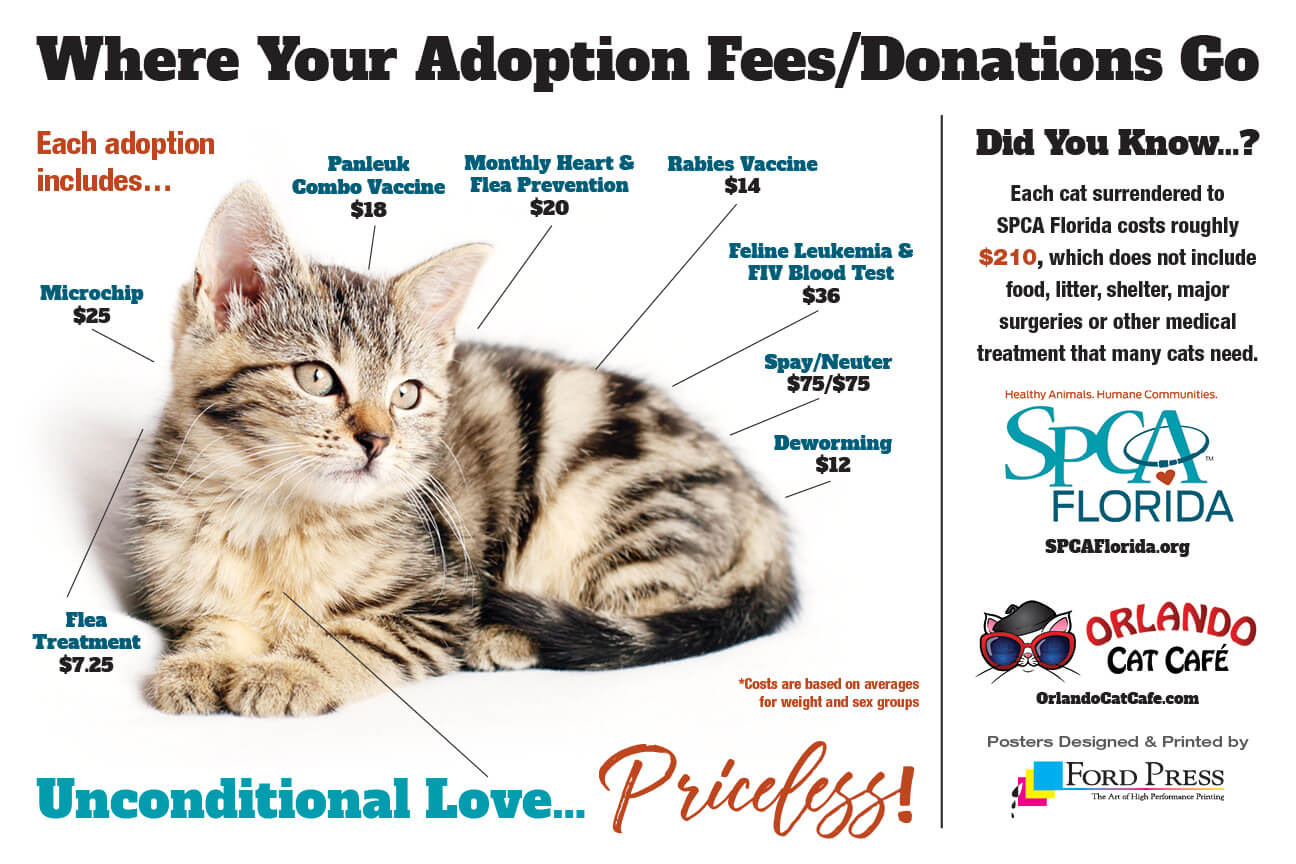
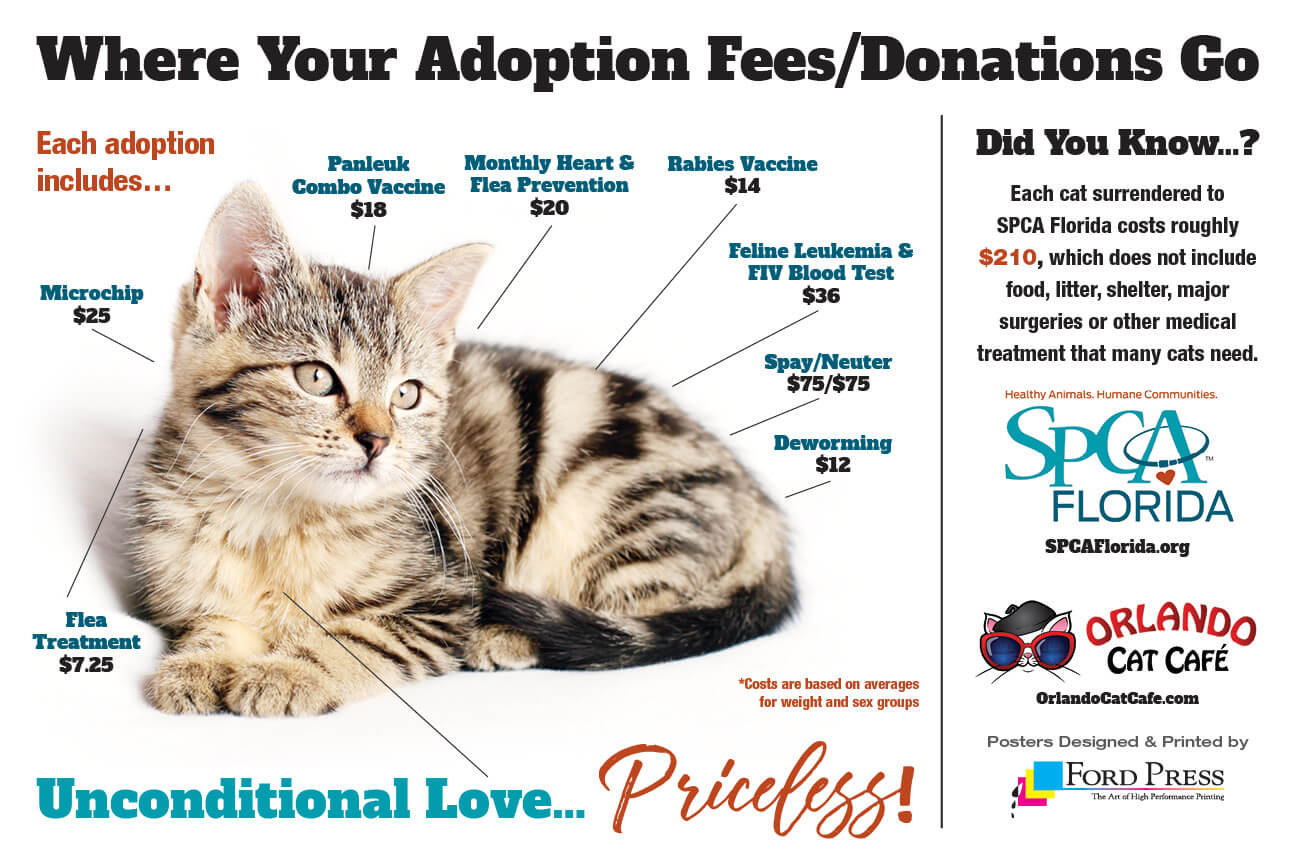
Running a shelter involves steady costs for food, veterinary care, and utilities. Creative fundraising—such as charity runs, online wish lists, or partnerships with pet-supply brands—can turn small donations into steady streams of help. Grants focused on spay-and-neuter services also reduce incoming numbers, stretching limited budgets further.
The Future of Adopt-a-Cat Programs
Innovative Approaches
The next generation of adoption efforts is already taking shape:
– User-friendly websites and mobile apps let families browse available cats, read personality notes, and even schedule virtual playdates before visiting in person.
– Expanded foster networks give cats a break from kennel life, allowing their true personalities to shine and freeing up shelter space for newcomers.
– School partnerships introduce humane education early, nurturing empathy and encouraging future adopters.
Continued Support and Advocacy
Sustained progress depends on everyday actions:
– Backing local rules that encourage responsible pet ownership and accessible spay-neuter services.
– Sharing reliable information about the benefits of adoption through social media, blogs, or simple word of mouth.
– Choosing adoption first and encouraging friends to do the same, creating steady demand for shelter cats.
Conclusion
Adopt-a-cat programs tackle shelter overcrowding, enrich the lives of individual cats, and bring neighbors together around a shared love of animals. Continued innovation, community support, and personal advocacy can keep these initiatives thriving, ensuring more cats curl up in forever homes and more communities reap the rewards of compassion in action.