
The Influence of a Major Pet Retailer on the Pet Industry
Introduction
The pet sector has experienced steady expansion in recent years, as owners look for high-quality goods and services for their animal companions. One prominent chain has become a key reference point, providing an extensive assortment of items and care options. This piece examines how this retailer shapes buying habits, encourages innovation, and nurtures a culture that welcomes pets.
The Rise of the Retailer
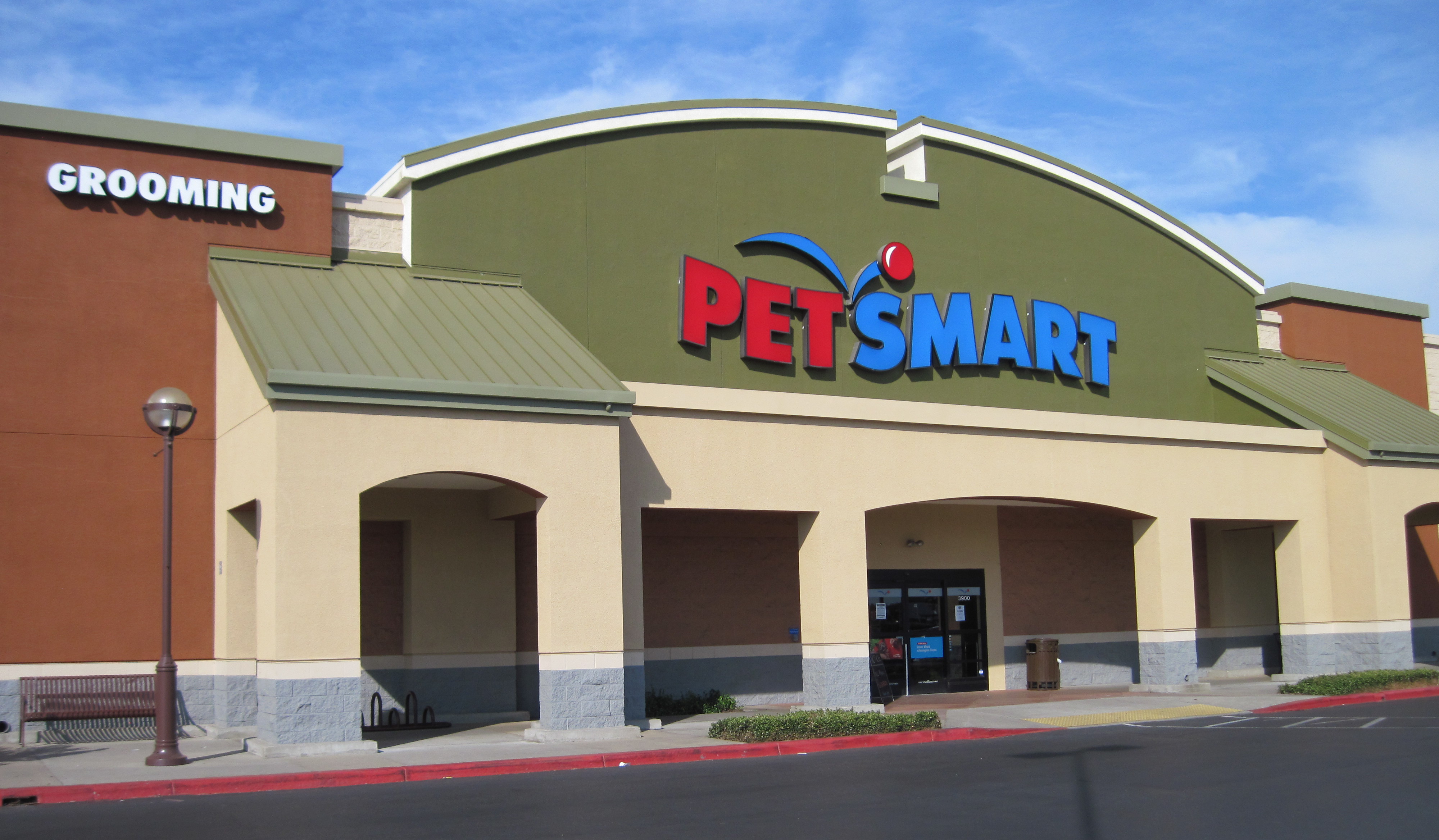
Established in the mid-nineties, the company quickly grew into a familiar destination for animal lovers. Operating thousands of locations across several countries, it positions itself as a convenient hub for food, toys, accessories, grooming, training, adoption events, and basic veterinary support.
Consumer Behavior
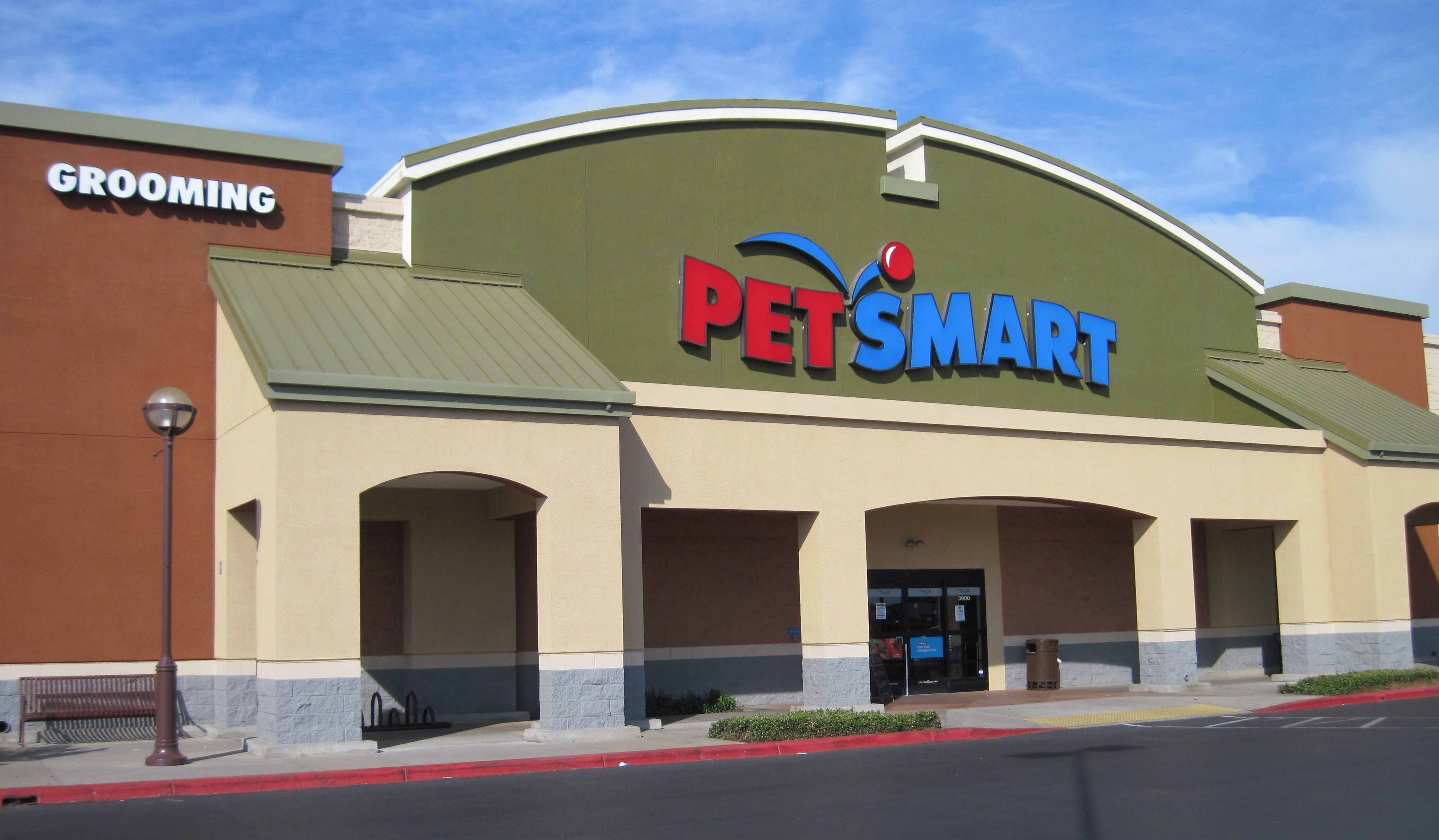
By gathering everything under one roof, the chain simplifies routine shopping for guardians, which in turn reinforces the human-animal bond and supports wider industry growth. Industry surveys indicate that pet ownership continues to climb, with a large majority of households now including at least one companion animal.
Innovation
The business embraces technology to enrich customer journeys. A mobile app lets users explore merchandise, schedule services, and receive tailored suggestions based on species, age, and lifestyle. It also spotlights environmentally mindful choices such as compostable waste bags and responsibly sourced toys, prompting competitors to broaden their own sustainable lines.
Moreover, the company refreshes its inventory regularly to reflect evolving lifestyles, whether that means puzzle feeders for mental stimulation or travel gear for on-the-go families. This steady stream of novelties keeps the brand relevant and encourages the wider market to experiment.
The Retailer’s Effect on Pet Ownership
Its holistic approach has accelerated pet ownership trends in multiple ways.
Adoption Centers
In-store adoption events give homeless animals visibility and provide a calm setting where prospective guardians can meet them. These initiatives ease shelter overcrowding and promote adoption as the first choice when bringing a new companion home.
Pet Training and Grooming Services
On-site classes and styling salons make preventive care and behavior guidance more accessible. Well-mannered, comfortable animals strengthen the human-pet relationship and contribute to harmonious communities.
Veterinary Care
Basic wellness clinics inside select stores lower barriers to vaccinations, check-ups, and early diagnostics. Timely attention improves overall animal health and can prevent costlier emergency treatments later.

The Role in Cultivating a Pet-Friendly Culture
Beyond commerce, the company champions a society that values and responsibly cares for companion animals.
Pet Ownership
By demonstrating how straightforward and rewarding guardianship can be, it encourages more people to open their homes to animals, normalizing pet-inclusive lifestyles.
Adoption
Continuous promotion of rescue partnerships shifts public perception, making adoption a mainstream, compassionate option rather than an exception.

Responsible Pet Care
Through educational signage, staff guidance, and accessible services, the retailer underscores the importance of training, grooming, and routine medical attention. Better informed caretakers mean healthier pets and fewer relinquishments.
Conclusion
This retail powerhouse has left a lasting imprint on the sector by streamlining shopping, championing fresh ideas, and advocating for adoption and welfare. Its comprehensive ecosystem makes guardianship less daunting and more fulfilling, while its emphasis on responsibility helps reduce homeless animal populations.
As demand for pet-related products and services keeps rising, the company’s focus on convenience, innovation, and humane practices will likely remain influential, inspiring peers to elevate standards and strengthen the human-animal bond.
Recommendations and Future Research

To extend its positive influence, the retailer could:
1. Deepen technological integration, such as virtual grooming tutorials or telehealth Q&A sessions.
2. Broaden adoption events and share success metrics to encourage more community participation.
3. Forge alliances with local trainers, nutritionists, and eco-friendly startups to diversify offerings.
Scholars and industry analysts might explore:
1. Long-term outcomes of in-store adoption programs on regional shelter populations.

2. How digital tools affect customer loyalty and overall pet well-being.
3. The chain’s contribution to responsible guardianship trends and any measurable decline in stray or surrendered animals.