


The Significance of Paws Between Homes: Enhancing Urban Canine Environments
Introduction
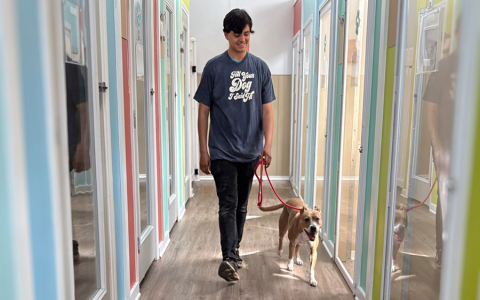
As cities grow denser, dogs have become everyday companions on sidewalks, in cafés, and at bus stops. “Paws between homes” describes the small but vital pockets of space—planted verges, pocket parks, rooftop runs—where dogs can sniff, stretch, and socialize without traveling far. This article explores why these in-between places matter, how they support animal welfare, and what it takes to weave them into the urban fabric.
The Need for Paws Between Homes
Concrete and asphalt now cover much of the ground that once gave dogs room to roam. Without safe spots to release energy, many pets resort to restless pacing, excessive barking, or destructive habits at home. Well-designed intermediate spaces give them a legal, welcoming place to burn off steam, reducing stress for animals and neighbors alike.
Benefits of Paws Between Homes

Health and Well-being
Even fifteen minutes of off-leash movement can lower heart rate, keep weight in check, and release calming endorphins. A short game of fetch or a relaxed stroll on varied terrain also provides mental stimulation that indoor environments simply cannot match.
Socialization
Meeting new dogs and people in a neutral setting teaches pups polite greetings and body-language literacy. Adult dogs benefit too; regular, positive encounters help prevent the reactivity that often stems from isolation or surprise encounters on narrow sidewalks.
Community Building
Shared dog zones naturally spark conversation among owners who might otherwise never meet. Over time, casual chats evolve into watchful eyes on the street, local recommendations, and a stronger sense of belonging that extends well beyond the dog community.
Challenges in Creating Paws Between Homes
Space Constraints
Every square meter competes with housing, traffic lanes, and commercial needs. Creative solutions—such as dual-use edges along greenways or time-shared schoolyards—can unlock territory without major land acquisition.
Funding and Maintenance
Small patches still need mowing, waste-bag refills, lighting repairs, and occasional fence fixes. Partnerships between residents’ associations, local businesses, and municipal departments can spread both cost and pride of ownership.
Public Perception
Some worry about barking, odor, or safety. Clear rules, visible cleanup stations, and gentle outreach—flyers, demo days, school visits—turn skeptics into allies once they see calm, well-managed spaces in action.
Best Practices for Creating Effective Paws Between Homes
Location and Accessibility
A five-minute walk is the sweet spot. Routes should be barrier-free for strollers, wheelchairs, and senior dogs, with gentle gradients and shade for hot days.
Safety and Security
Sturdy fencing, double-gated entries, good night lighting, and posted etiquette signs prevent escapes and conflicts. Emergency call boxes or clear address markers help responders locate the spot quickly.
Amenities and Features
Fresh water, sturdy waste bins, varied terrain (grass, sand, agility logs), and seating for humans encourage longer, more enriching visits. Seasonal extras—sun sails, paw-wash stations, bulletin boards—keep the space lively year-round.
Conclusion
Paws between homes are more than pet perks; they are micro-investments in public health, social cohesion, and urban civility. By carving out, funding, and nurturing these shared corners, cities reward both ends of the leash with healthier, happier daily life.
Future Directions
Tomorrow’s denser neighborhoods will need modular, pop-up, and rooftop solutions that can move or expand as demographics shift. Pilot projects, citizen science apps tracking usage, and cross-sector maintenance trusts will guide scalable models, ensuring every new development leaves room for a joyful wagging tail.


