Chihuahua Enthusiasts in the Garden State: A Friendly Guide
Introduction
The tiny but mighty Chihuahua continues to charm dog lovers everywhere. In New Jersey’s lively pet scene, dedicated hobbyists and small-scale breeders work to keep the breed healthy and happy. This overview explores their role, the hurdles they meet, and the positive ripple effects they create across the state.
The Chihuahua Breed
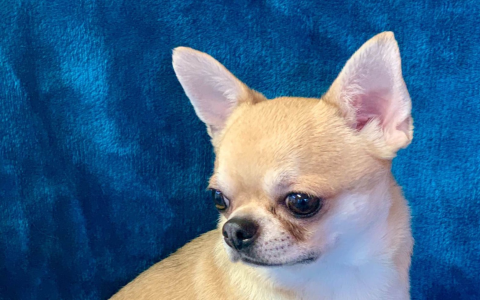
Chihuahuas are the world’s smallest dogs, yet they pack oversized personalities. Originally from Mexico, they were bred purely for companionship. Loyal, alert, and affectionate, they fit well into apartments or larger homes, provided they receive consistent training and early socialization.
The Role of Responsible Enthusiasts
Across New Jersey, committed individuals focus on three core pillars:
Health First
Reputable caretakers screen breeding stock for common issues such as slipping kneecaps, low blood sugar, and dental crowding. Balanced diets, regular exercise, and routine vet checks help puppies start life on the right paw.
Early Socialization
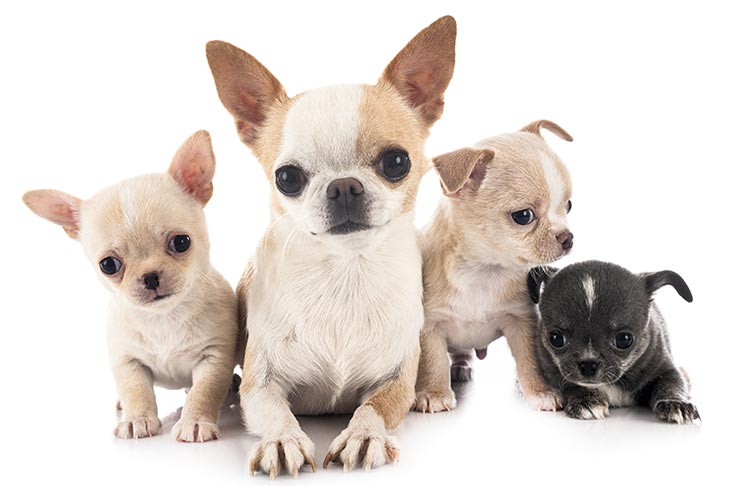
Puppies meet new people, friendly pets, and everyday household sights and sounds long before adoption day. This exposure builds confidence and reduces future anxiety, making the transition to new homes smoother for both dog and family.
Ethical Standards
Clean living spaces, spacious play areas, and lifetime take-back policies are hallmarks of ethical programs. Breeding is limited to improve the breed, not to supply impulse purchases, and adults retire to loving homes rather than remaining in kennels indefinitely.
Common Challenges
Even the most devoted caretakers face obstacles:
Inherited Conditions
Because the gene pool is relatively small, avoiding hereditary problems requires meticulous record-keeping and, when possible, outcrossing to unrelated lines.
Shifting Demand
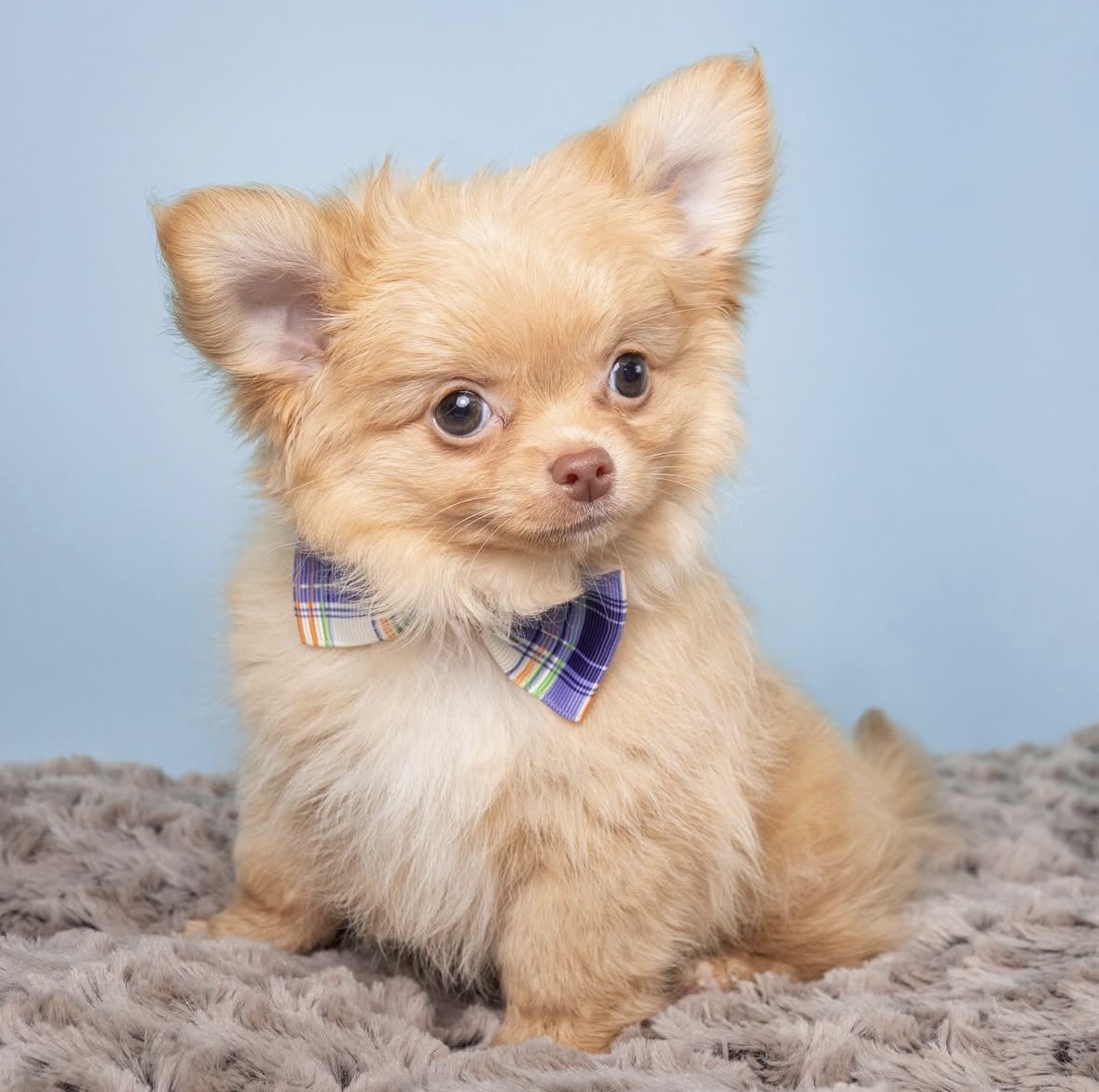
Popularity surges after movies or social-media spikes can fade just as quickly, leaving caretakers with unexpected mouths to feed and reduced income.
Regulatory Hurdles
State inspections, local zoning rules, and evolving animal-welfare laws demand constant paperwork and facility upgrades, stretching already tight budgets.
Positive Impact on New Jersey
When done right, small-scale breeding and rescue efforts benefit everyone:
Supporting the Pet Sector
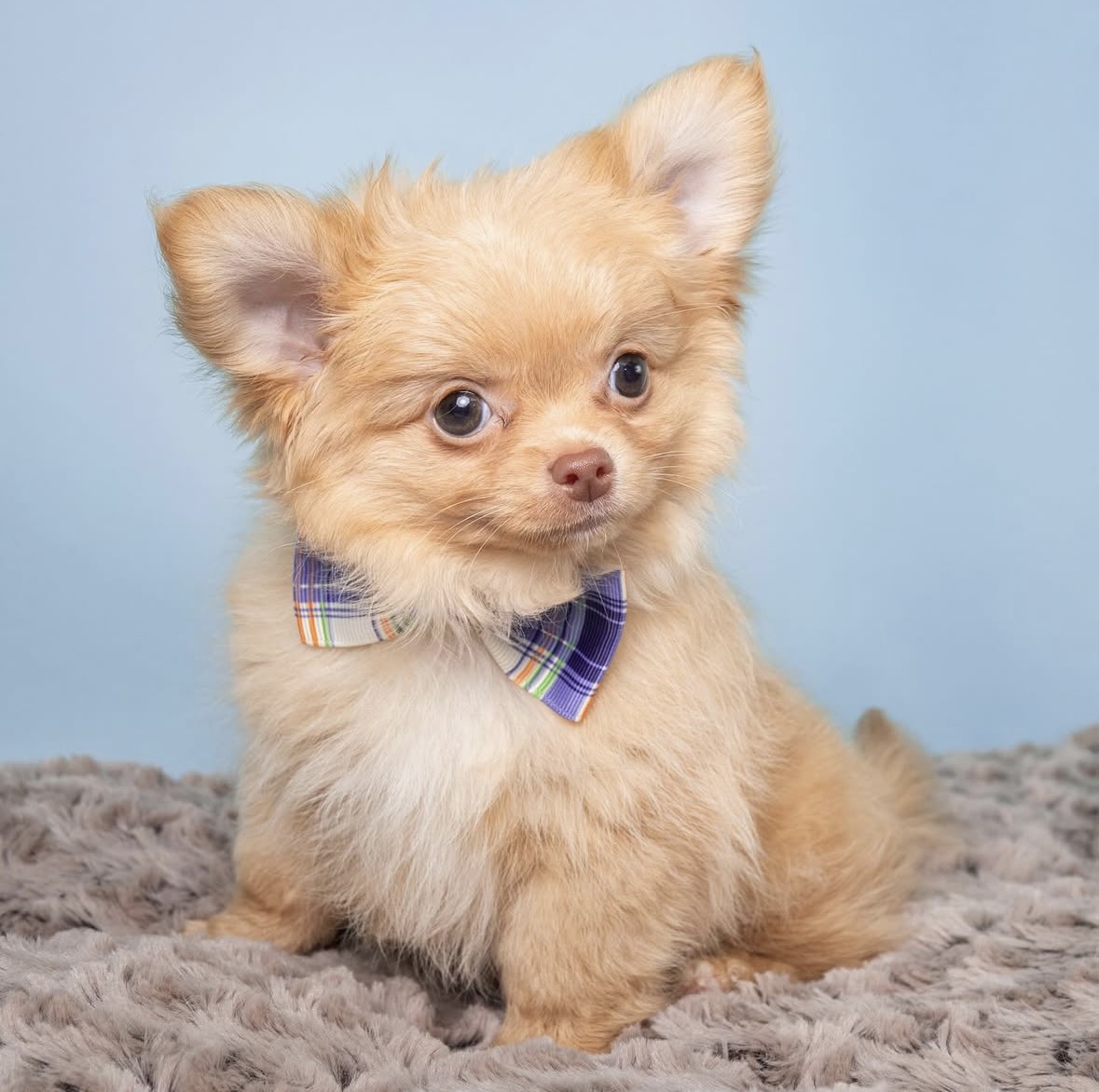
Healthy pups become ambassadors at dog-friendly cafés, parks, and therapy visits, encouraging responsible ownership and boosting sales of quality pet products statewide.
Community Education
Open-house events, school talks, and social-media Q&A sessions teach children and adults about bite prevention, grooming basics, and the importance of adoption as well as ethical purchase.
Local Economy
Veterinary clinics, trainers, groomers, and pet-supply shops all gain steady business, while specialty shows attract visitors who dine and shop nearby.
Conclusion
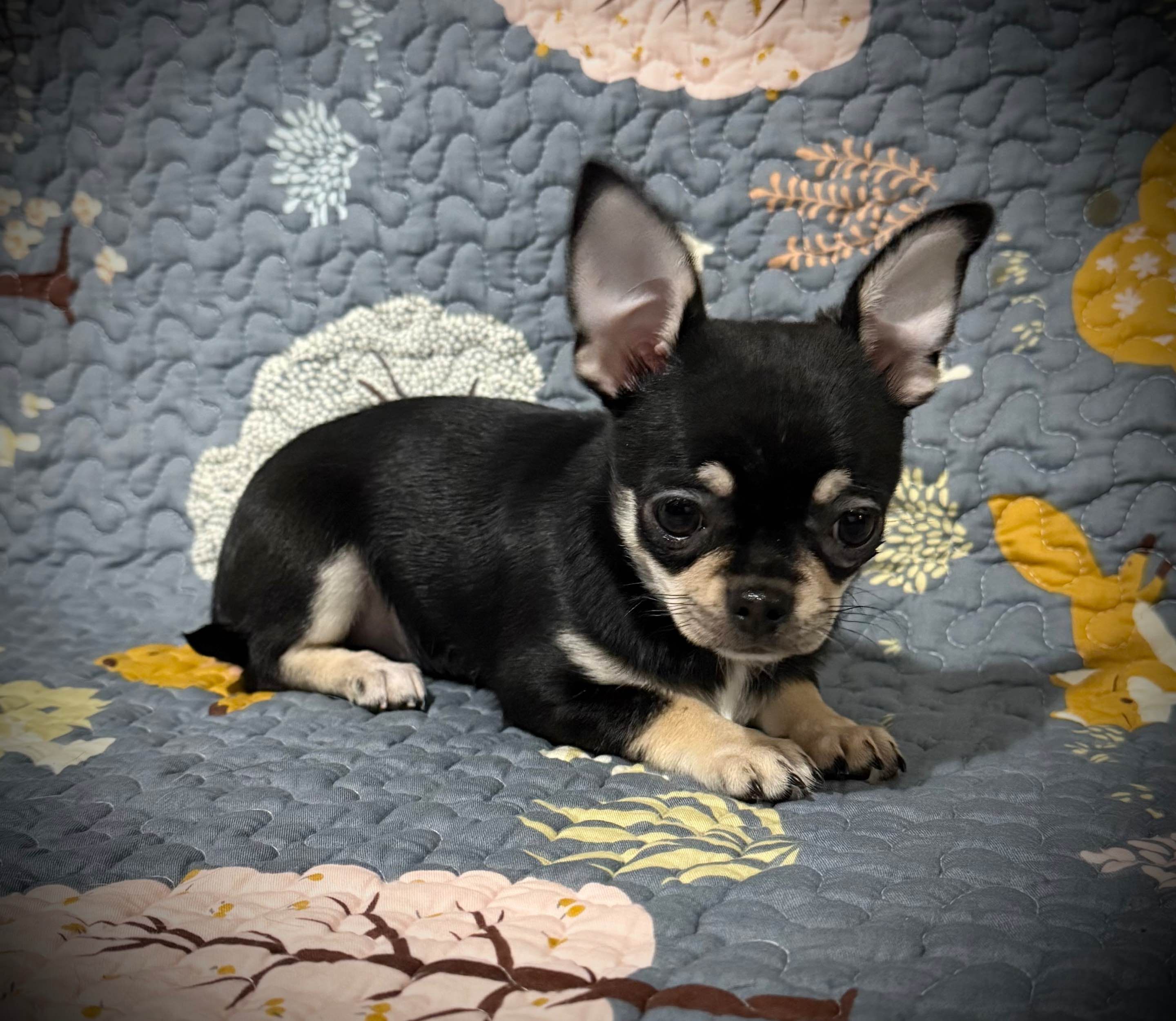
New Jersey’s Chihuahua community proves that passion plus responsibility equals healthier dogs and happier families. By choosing caregivers who prioritize welfare over profit, adopters help sustain a virtuous cycle of education, health, and companionship.
Looking Ahead
Simple steps can strengthen the future:
1. Keep health testing and transparent records standard practice.
2. Share success stories to inspire future owners to research before they adopt or buy.
3. Fund university studies on longevity and genetic diversity.
4. Partner with shelters to offer low-cost spay/neuter and training classes, reducing surrenders.
Together, these actions ensure that New Jersey remains a safe, welcoming place for every tiny tail-wagger and the people who love them.