



The Rising Trend of Neighborhood Cat Boutiques
Introduction
As more people welcome cats into their homes, small shops dedicated to feline needs are popping up on local high streets. These focused retailers stock everything from specialty foods to cozy beds, creating a one-stop haven for cat lovers. This piece looks at why such boutiques are spreading, how they shape the wider pet market, and the everyday advantages they bring to owners and their pets.
The Enduring Appeal of Cats
Cats remain among the most beloved companions thanks to their independent yet affectionate nature. Their comparatively simple daily care routine suits busy lifestyles, encouraging more households to adopt them. This steady popularity fuels demand for items tailored specifically to cats, giving neighborhood boutiques a clear purpose.
Drivers Behind Local Cat Boutiques
1. Specialization
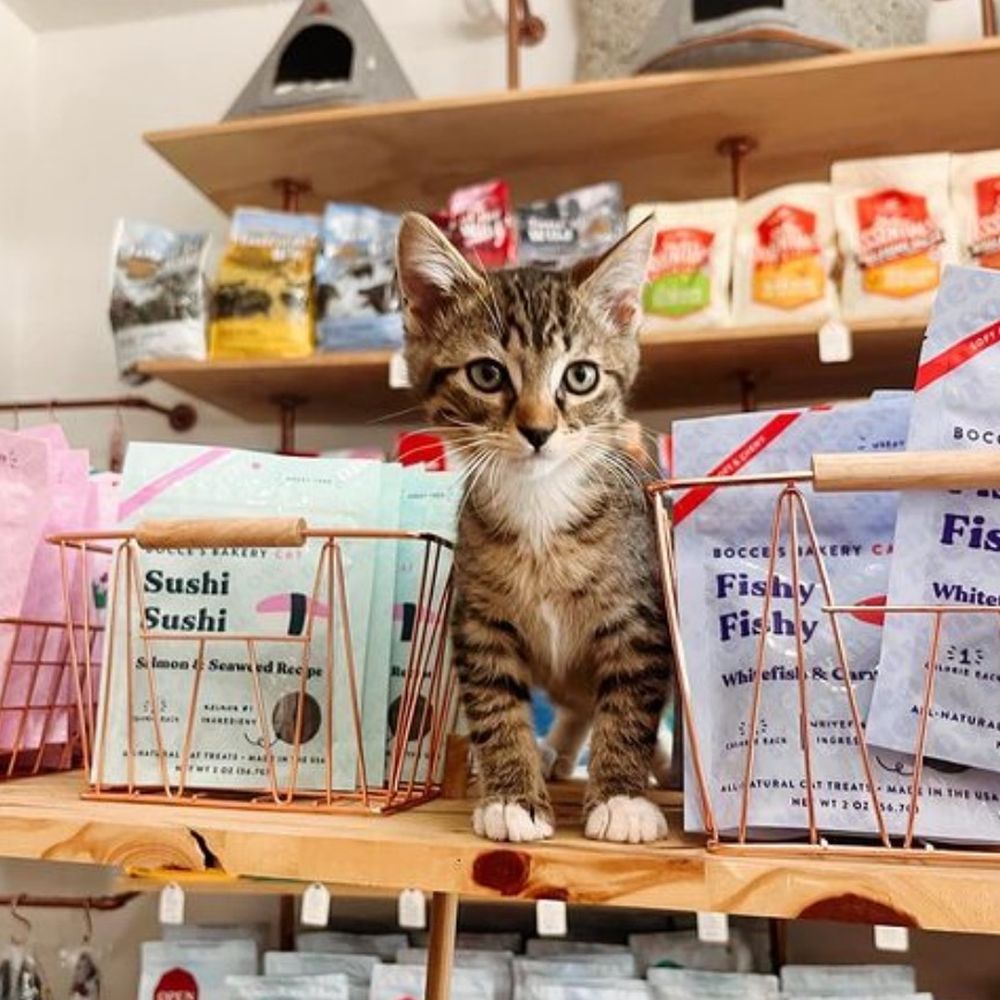
By concentrating solely on feline merchandise, these stores can curate deeper, better-informed collections. Staff develop expertise about different breeds, life stages, and behavior quirks, helping shoppers choose foods, toys, and accessories that truly fit their pets.
2. Convenience
Having a nearby shop saves time. Instead of wandering through giant pet warehouses or scrolling endless web pages, owners can walk in, touch the merchandise, and leave with exactly what they need the same day.
3. Tangible Experience
Many customers still value handling a feather wand, testing the sturdiness of a scratching post, or asking questions face-to-face. The sensory, social aspect of in-store shopping keeps foot traffic strong even in the digital era.
Impact on the Pet World
1. Economic Contribution
Each boutique supports jobs—from stock clerks to groomers—and keeps money circulating locally. When owners spend on quality food, stylish collars, or wellness treats, the neighborhood economy benefits.
2. Healthier Pets
Access to balanced diets, safe toys, and gentle grooming tools helps cats stay fit and content. Storekeepers often share care tips, reinforcing routines that prevent common health issues.
3. Community Spaces

Weekend adoption drives, toy-making workshops, or casual “cat chat” mornings turn shops into social hubs. Owners exchange advice, vets stop by for Q&A sessions, and newcomers feel welcomed into a friendly circle.
Everyday Advantages for Shoppers
1. Curated Range
Rather than sifting through dog beds or bird perches, customers find shelves devoted to feline favorites: grain-free dinners, interactive puzzles, calming pheromone diffusers, and eco-friendly litters.
2. Trusted Guidance
Whether selecting a senior diet or solving a kitten’s late-night zoomies, buyers can ask staff who know the products firsthand. Personalized suggestions reduce guesswork and costly trial-and-error.
3. Support for Local Enterprise
Money spent at an independent store often stays in town, funding everything from youth shelters to park clean-ups. Choosing the neighborhood boutique becomes a small act of civic participation.
Conclusion
The spread of cat-focused boutiques mirrors the deepening bond between people and their feline friends. By blending expertise, convenience, and community spirit, these shops enrich daily life for pets and owners alike. As interest in specialized pet care keeps growing, expect more creative services and welcoming storefronts to appear just around the corner.
Recommendations and Future Directions
To strengthen their role, neighborhood cat boutiques could:

1. Blend Online and Offline: Offer click-and-collect, same-day delivery, or live-stream product demos to meet modern expectations while keeping the personal touch.
2. Deepen Education: Host short talks on nutrition, behavior, or first-aid basics, giving owners confidence and building long-term loyalty.
3. Partner for Good: Work with shelters on adoption days or donate part of sales to local trap-neuter-return programs, turning shoppers into advocates.
Areas worth exploring further include:
1. Shopping Patterns: Understanding how owners decide between premium and budget lines can guide smarter stocking and pricing.
2. Local Economic Footprint: Tracking how much of each dollar recirculates nearby can justify municipal support or small-business grants.

3. Sustainable Practices: Evaluating packaging, ingredient sourcing, and waste reduction helps stores appeal to eco-conscious consumers and protect the planet cats love to prowl.


