



Dog Nation: A Broad Look at How Dogs Shape Culture and Community
Introduction
Across the country, dogs have trotted beyond the role of mere pet to become cherished companions, workout partners, and even silent therapists. This overview traces the paw prints they have left on daily life, leisure, and local economies, revealing why so many households welcome a wagging tail at the door.
The Historical Context
From Working Partners to Family Members
Long before cities and suburbs sprawled, dogs helped people hunt, herd, and guard. Over centuries, those practical bonds softened into affection, and the animals that once slept beside campfires gradually migrated onto couches. Kennel clubs and public shows later celebrated breed variety, turning ownership into a shared hobby and setting the stage for today’s vibrant dog scene.
Canine Culture

A Lifestyle Marked by Play and Pampering
Walk through any neighborhood and you will meet breeds of every shape and size, each valued for a special talent—speed, intelligence, or simply an eagerness to snuggle. Pet bakeries, subscription toy boxes, and off-leash parks illustrate how deeply dogs have embedded themselves in modern routines.
Sports and Activities
Beyond fetch in the backyard, dogs compete in agility courses, dock-diving events, and scent-work challenges. These pastimes keep pups fit and give owners a welcoming community of like-minded enthusiasts.
The Economic Impact
A Thriving Marketplace
Food bowls, vet visits, stylish jackets, and GPS trackers add up to a powerful stream of consumer spending that supports small shops, national brands, and local veterinarians alike.
Travel Tails
Hotels that leave biscuits at check-in, cafés that hand out puppuccinos, and trails dotted with water stations prove that four-legged guests drive tourism decisions, benefiting entire regions.
Social and Psychological Benefits

Comfort and Connection
A daily walk with a dog often sparks conversation among strangers and eases loneliness at home. Studies link canine companionship with lower stress levels and increased outdoor activity, creating a ripple effect on human health.
Therapy Work
In libraries, rehab centers, and disaster zones, calm, trained dogs offer quiet reassurance, helping people regain a sense of safety and normalcy.
Challenges and Concerns
Welfare Matters
Not every tail wags happily. Large-scale breeding facilities, abandonment, and abuse remain pressing problems that require stronger safeguards and public vigilance.
Population Pressures
Shelters frequently operate near capacity, highlighting the need for adoption, foster networks, and accessible spay-neuter services.
Conclusion
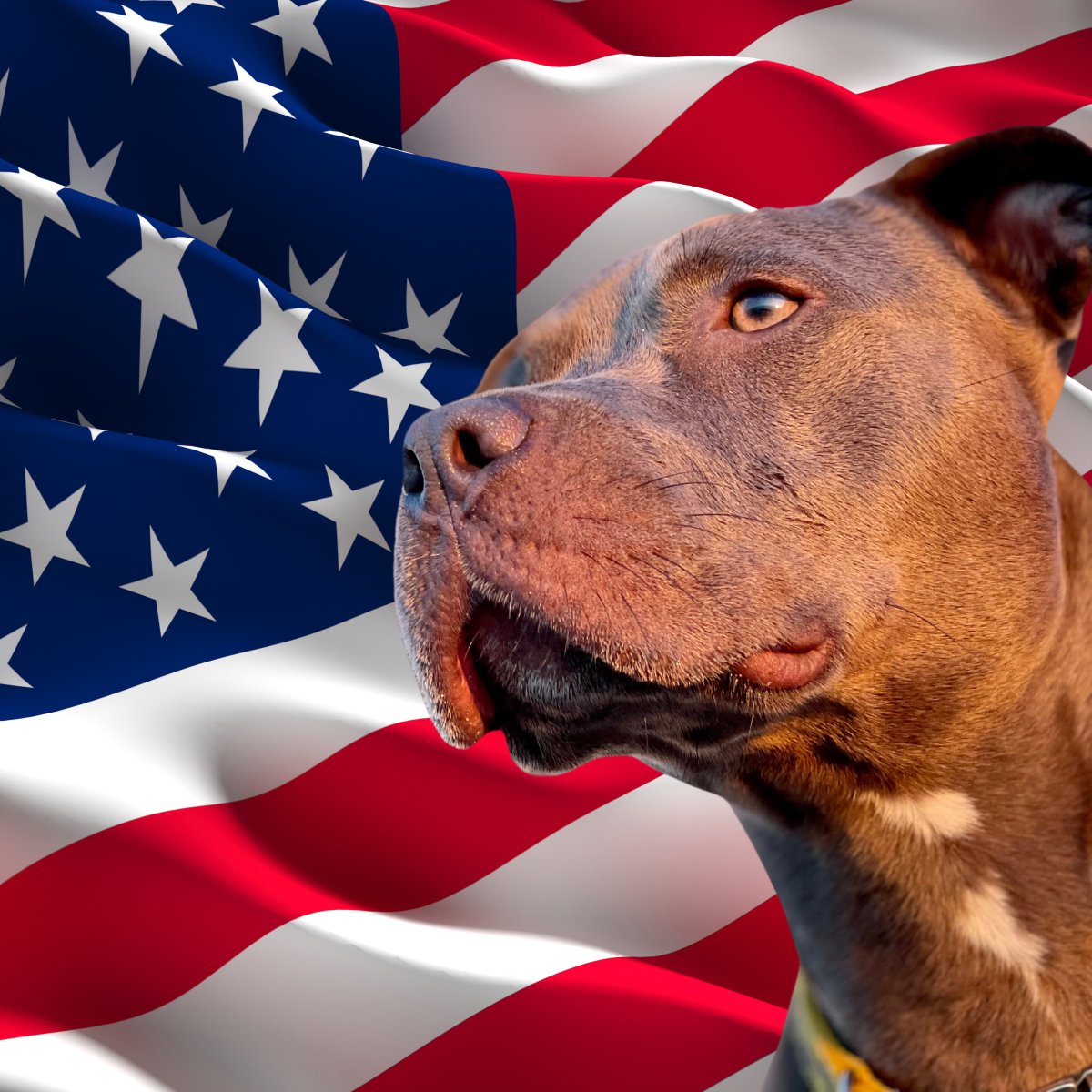
From historical working partner to modern-day family member, the dog has secured a unique spot in the national story. Recognizing the joy they bring, while tackling the welfare gaps that still exist, will determine how healthy and humane that story becomes.
Recommendations and Future Research
Steps that can nurture a brighter future include:
1. Updating and enforcing welfare standards to protect all animals.
2. Expanding low-cost spay-neuter programs to curb unwanted litters.
3. Highlighting shelter adoption through community events and incentives.
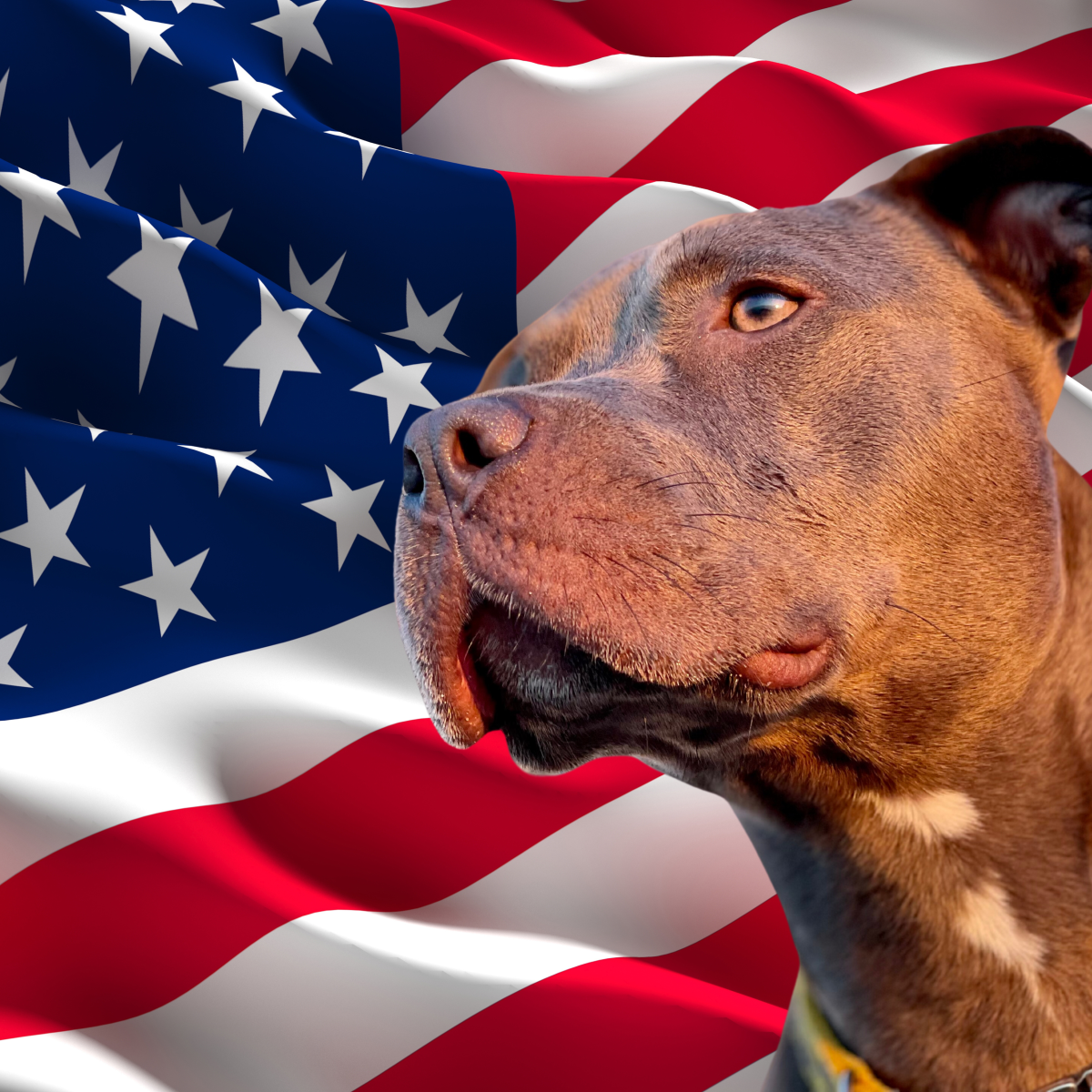
4. Funding studies on how canine companionship affects mental and physical health across different age groups.
By combining compassion with practical action, society can ensure that every wagging tail continues to symbolize trust, friendship, and shared well-being.


