
The Perfect Puppy in the Ocean State: A Friendly Guide to Choosing Your New Best Friend
Introduction
Bringing a puppy home is exciting, but the sheer number of choices can feel daunting—especially for first-time owners. From coat type to temperament, every detail matters if you want tails to wag for years to come. In our corner of New England, where dogs are practically honorary citizens, the decision carries extra weight. This guide walks you through the key questions—breed traits, energy needs, and where to find your match—so you can welcome the right pup with confidence.
Understanding the Perfect Puppy
Breed Selection
Start by picturing your daily life. Do you crave a jogging partner or a couch companion? Some breeds live to fetch until sunset; others prefer short strolls and long naps. Reading up on general breed tendencies helps you narrow the field before love-at-first-sight takes over.
Size and Energy Level
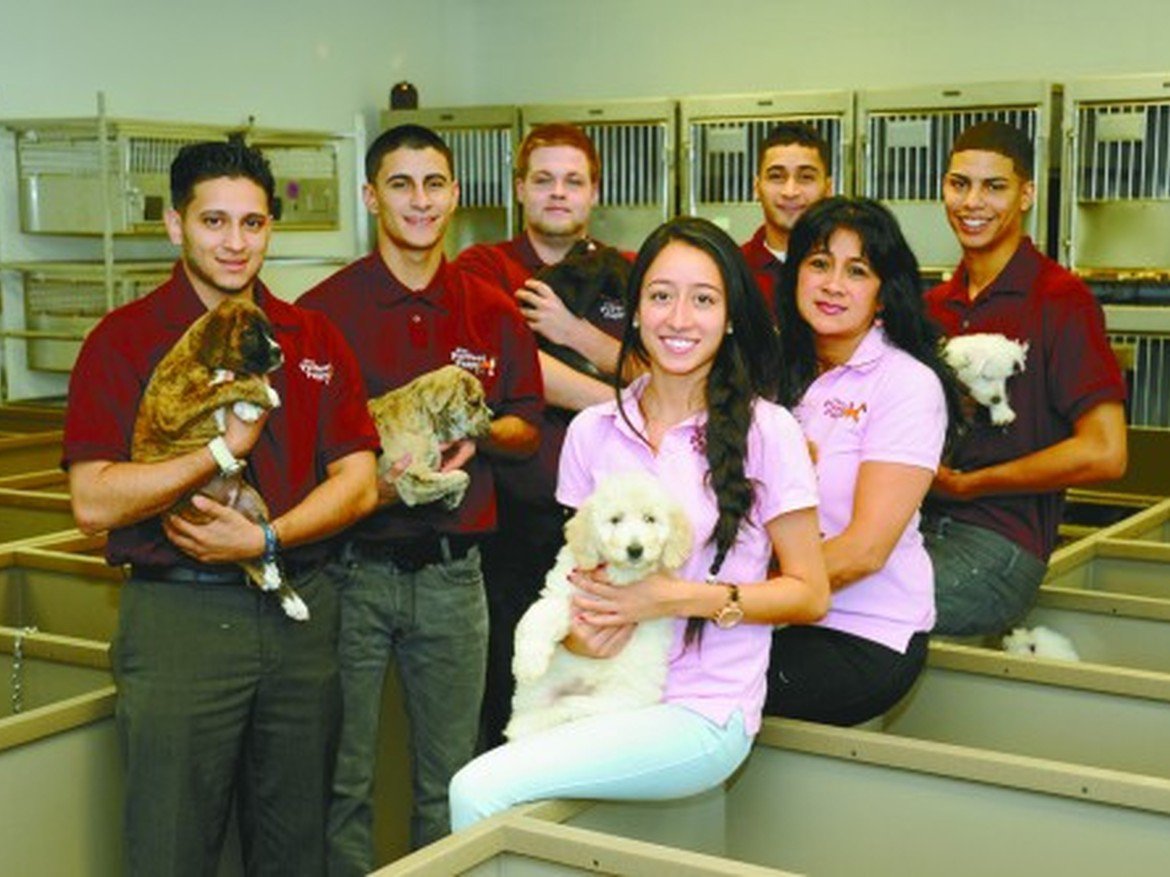
A studio apartment can suit a petite, easy-going pup, while a fenced yard invites medium or large breeds who love wind-sprints. Match the dog’s need for movement to the time you realistically have each day; a tired dog is a happy dog, and a realistic owner is a happy owner.
Temperament and Compatibility
Think about noise tolerance, guest traffic, and how much alone-time the dog will face. Outgoing personalities thrive on hustle and bustle; gentler souls prefer predictable routines. Honest self-assessment prevents mismatches and melted shoes.
The Benefits of Adopting from Local Shelters
Saving Lives
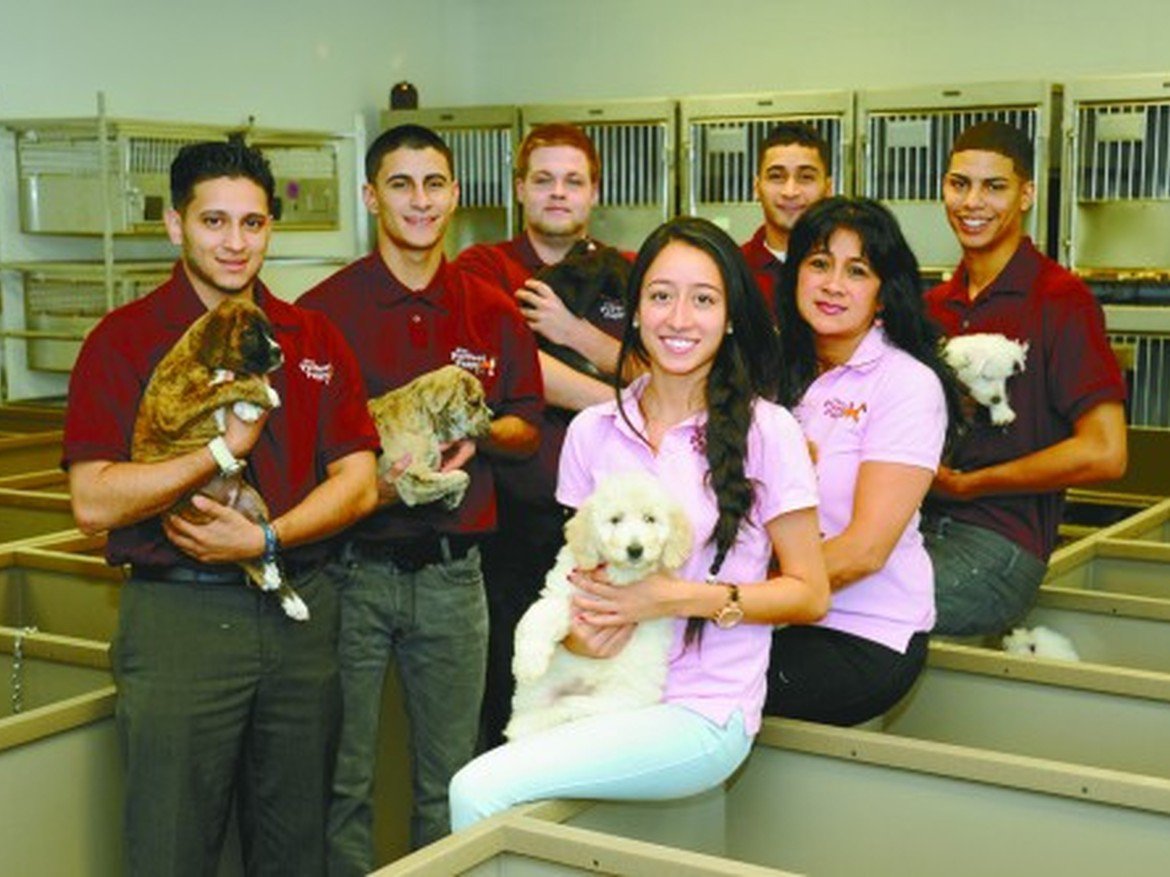
Opening your door to a shelter pup frees up space for another animal in need and gives you instant hero status—no cape required.
Health and Temperament
Modern shelters evaluate behavior and vet-check their residents, so “adopted” doesn’t mean “unknown.” Many staff members know which dogs adore kids, cats, or car rides, steering you toward a smoother fit.
Bonding Opportunities
Post-adoption counseling, training discounts, and follow-up calls turn the first nervous nights into a shared adventure. You also gain a support network that speaks fluent “puppy.”
The Role of Professional Breeders

Responsible Breeding Practices
Reputable breeders health-test parents, raise litters in clean homes, and never ship puppies like parcels. They welcome questions, show living conditions, and take dogs back if life throws curveballs.
Genetic Diversity
By planning matings that balance looks with health, good breeders help keep future generations free of avoidable inherited issues.
Support and Guidance
Many remain on speed-dial for tips on teething, training, or vet referrals—an invisible leash that lasts the dog’s lifetime.

The Perfect Puppy: Real-Life Success Stories
Case Study 1: The Friendly Labrador
Sarah wanted an upbeat walking buddy. After meeting several pups at a licensed kennel, she connected with a tail-wagging yellow Lab who trotted straight into her lap. Months later, sunrise hikes and beach retrieves are their daily ritual.
Case Study 2: The Loyal German Shepherd
John and his partner sought a watchful yet gentle family guardian. A local breeder introduced them to a calm female pup who passed temperament tests with flying colors. She now patrols the backyard with pride and curls up with the kids at story time.
Conclusion

Whether you stroll shelter aisles or visit a trusted breeder, the “perfect” puppy is the one whose needs mirror your lifestyle and whose eyes light up when they see you. Plan honestly, ask lots of questions, and prepare for a friendship measured in wagging tails and shared years. The right match is out there—go find your co-pilot.