The Chihuahua: A Complete Guide
Introduction
The Chihuahua may be the smallest dog on the planet, yet its personality fills a room. With bright eyes, a saucy expression, and an unmistakable silhouette, this toy breed has charmed families from city apartments to country cottages. This overview traces the Chihuahua’s background, looks, temperament, common health issues, and the simple joys of sharing life with one.
History and Origin
Experts trace the breed to pre-Columbian Mexico, where Techichi dogs kept ancient households company. Centuries later, refined versions appeared in the northern state that gave the breed its name. Travelers carried the tiny dogs across borders, and by the mid-1900s kennel clubs abroad had welcomed them into the toy group.
Physical Characteristics
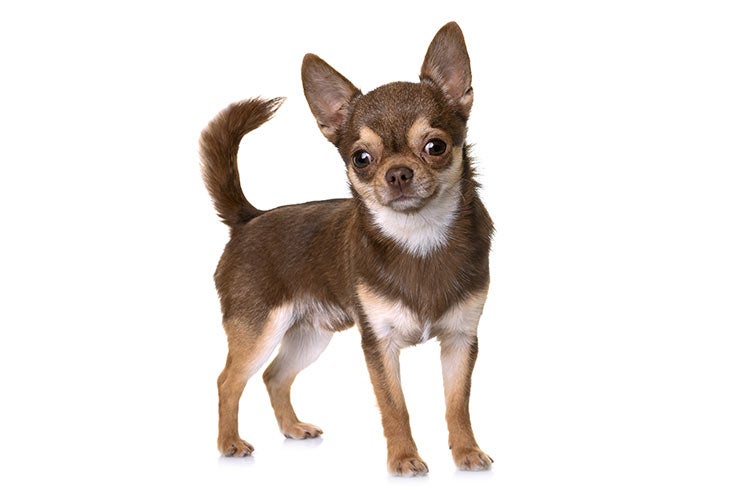
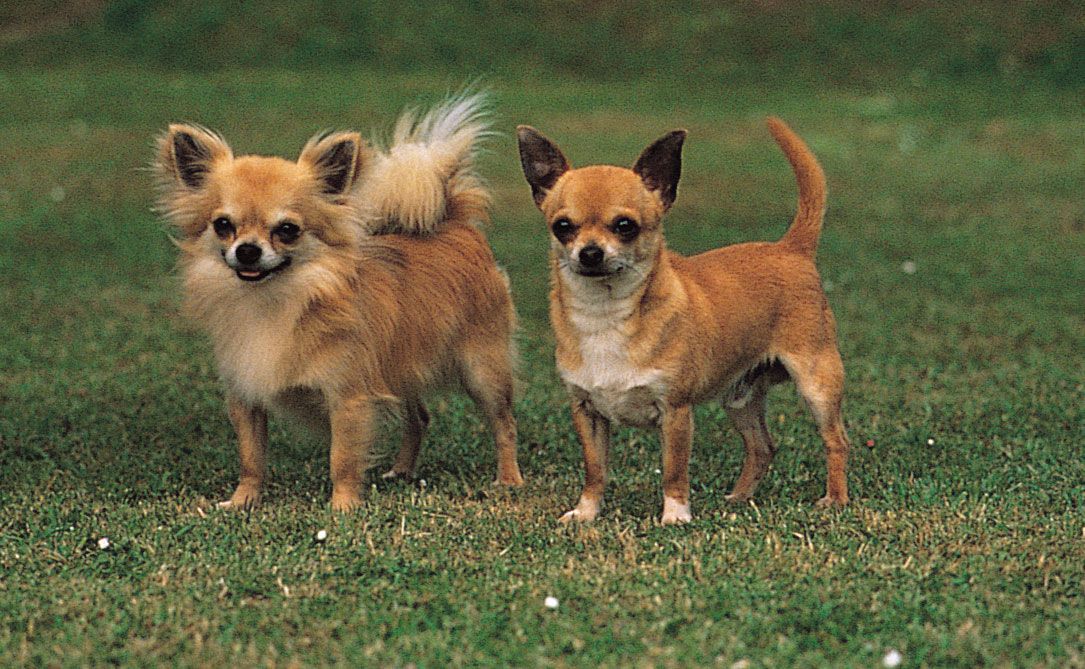
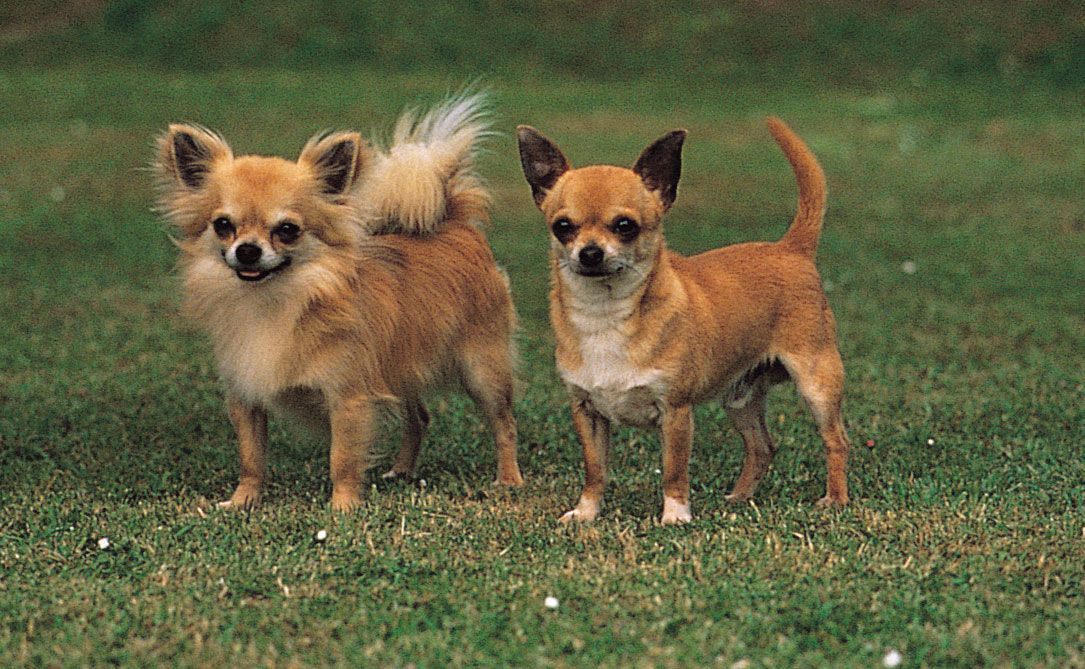
Most adults weigh under six pounds and stand five to eight inches at the shoulder. The well-rounded “apple” head, large expressive eyes, and flaring ears are instant giveaways. Coats may be smooth or long, and every color—from fawn to jet black—is acceptable. A plumed tail arches across the back in confident fashion.
Personality and Temperament
Quick-witted and curious, Chihuahuas often act like self-appointed watchdogs. They bond fiercely with their people, thrive on warm laps, yet remain ready for brisk play sessions. Early socialization smooths the spunky edge and encourages polite manners around strangers and larger dogs.
Health Concerns
Like all pure breeds, Chihuahuas carry some inherited risks:
1. Luxating Patella
The kneecap can slip out of groove, causing an intermittent skip in the step. Keeping weight ideal and muscles toned lowers the chance of serious lameness.
2. Hypoglycemia
Toy puppies burn energy fast; missed meals or stress can trigger low blood sugar. Frequent small meals and prompt veterinary care prevent crises.
3. Dental Issues
A tiny mouth crowds teeth, inviting tartar buildup. Daily brushing, dental chews, and yearly professional cleaning protect heart and kidney health.
4. Heart Murmurs
Some individuals develop valve disease. Regular vet auscultation and, if needed, ultrasound tracking allow early intervention.
Care and Maintenance
A few habits keep a Chi glowing:
1. Diet
Choose a kibble formulated for toy breeds; divide the daily portion into two or three meals to steady metabolism.
2. Exercise
Two brisk fifteen-minute walks plus indoor fetch satisfy exercise needs and prevent boredom barking.
3. Grooming
Smooth coats need a weekly once-over with a soft brush; long coats benefit from thrice-weekly combing to stop tangles before they start.
4. Health Care
Annual exams, core vaccines, parasite control, and dental radiographs form the backbone of preventive care.
Role in Society
Once luxury companions of the well-to-do, Chihuahuas today fit almost any lifestyle. Their portable size and bold spirit make them ideal urban partners, therapy visitors, and social-media darlings, proving that heart is not measured in pounds.
Conclusion
The Chihuahua packages devotion, humor, and courage into one pocket-sized friend. Attentive care—good food, regular exercise, dental hygiene, and routine vet visits—returns years of affectionate companionship. In the right home, this little dog is not just a pet; it becomes a daily reminder that joy often arrives in small, wagging packages.
Future Research Directions
Continued study of patellar alignment, blood-sugar regulation, and cardiac genetics will refine breeding decisions and extend healthy lifespans. Meanwhile, practical trials on portion sizes, enrichment toys, and dental diets will give owners evidence-based tools to keep their tiny companions thriving well into their teens.